East Asian Approaches to Menopause Wellness: A Holistic Guide
East Asian approaches offer a holistic framework for menopause wellness, focusing on balance, harmony, and personalized care through traditional practices like Traditional Chinese Medicine (TCM), Ayurveda, and lifestyle adjustments. These methods aim to alleviate menopausal symptoms by addressing underlying energetic imbalances rather than just symptom management.
Listen to this article
~13 min listen
Click play to generate audio narration with a calming voice
TL;DR Summary
- •East Asian traditions, including TCM and Ayurveda, provide holistic strategies for menopause wellness by focusing on body-mind harmony and individual constitutional balance.
- •Key practices often involve herbal medicine, acupuncture, dietary adjustments, mindfulness, and specific exercises to manage symptoms like hot flashes, mood swings, and sleep disturbances.
- •These approaches emphasize prevention and lifestyle modifications, empowering women to actively participate in their health journey during perimenopause and menopause.
East Asian Approaches to Menopause Wellness: Finding Balance During the Transition
Navigating menopause is a significant life transition for women, often accompanied by a range of physical and emotional changes. While Western medicine typically focuses on hormone replacement therapy (HRT) and symptom management, East Asian approaches to menopause wellness offer a holistic, personalized, and often preventive perspective. These ancient traditions, including Traditional Chinese Medicine (TCM) and elements from Ayurvedic medicine, view menopause not as a deficiency or disease, but as a natural, albeit sometimes challenging, phase of life. They emphasize restoring balance within the body's energetic systems, supporting organ function, and adapting lifestyle to promote overall well-being and alleviate common menopausal symptoms.
What is the East Asian Perspective on Menopause?
From an East Asian viewpoint, menopause, often referred to as the "Second Spring" or a time of profound transformation, is understood through the lens of vital energy (Qi), blood, and organ system balance. In Traditional Chinese Medicine (TCM), for instance, menopause is primarily associated with a decline in Kidney Essence (Jing) and Kidney Yin. The Kidneys are considered the root of life, governing reproduction, aging, bones, and overall vitality. As women age, the natural decline in Kidney Essence can lead to an imbalance between Yin (cooling, moistening, calming aspects) and Yang (warming, active, stimulating aspects).
When Kidney Yin declines, Yang energy can become relatively excessive, leading to symptoms like hot flashes, night sweats, dryness, anxiety, and insomnia. Conversely, a decline in Kidney Yang might manifest as fatigue, weight gain, cold extremities, and low libido. The goal of East Asian therapies is not to replace hormones, but to nourish and restore the Kidney system, balance Yin and Yang, regulate Qi and Blood, and support the body's innate ability to adapt and heal. This comprehensive understanding forms the foundation for effective menopause wellness strategies.
How Do Traditional Chinese Medicine (TCM) Practices Support Menopause Wellness?
Traditional Chinese Medicine offers a rich tapestry of practices specifically tailored to support women through perimenopause and menopause. These practices are highly individualized, based on a diagnostic process that considers a woman's unique symptom pattern, constitution, and pulse and tongue diagnosis. The aim is to address the root cause of imbalances contributing to menopausal discomforts.
Acupuncture for Symptom Relief
Acupuncture is a cornerstone of TCM and a widely researched modality for menopause wellness. It involves inserting fine needles into specific points on the body to stimulate the flow of Qi and blood, balance Yin and Yang, and promote healing. For menopausal women, acupuncture has been shown to be effective in reducing the frequency and intensity of hot flashes and night sweats, improving sleep quality, alleviating mood swings, and reducing anxiety and depression. Studies suggest that acupuncture may influence neurotransmitters, endorphins, and the autonomic nervous system, helping to regulate body temperature and emotional responses. Regular acupuncture sessions can lead to significant improvements in quality of life during this transition.
Herbal Medicine: Nature's Pharmacy for Menopause
Chinese herbal medicine utilizes complex formulas, often containing 5-20 different herbs, to address specific patterns of imbalance. Unlike single-herb supplements, these formulas are designed to work synergistically, enhancing efficacy and minimizing side effects. For Kidney Yin deficiency, herbs like Rehmannia (Shu Di Huang), Cornus (Shan Zhu Yu), and Dioscorea (Shan Yao) are commonly used to nourish Yin and cool heat. For Kidney Yang deficiency, herbs like Epimedium (Yin Yang Huo) and Eucommia (Du Zhong) might be included to warm and strengthen Yang. Other herbs target specific symptoms: Bupleurum (Chai Hu) for liver Qi stagnation (mood swings), Poria (Fu Ling) for dampness and fluid retention, and Ziziphus (Suan Zao Ren) for insomnia. These herbal prescriptions are dynamic, often adjusted as a woman's symptoms evolve, providing personalized menopause wellness support.
Dietary Therapy: Nourishing from Within
In TCM, food is considered medicine. Dietary recommendations for menopause wellness focus on nourishing the Kidneys, supporting the Spleen (which governs digestion and energy production), and balancing Yin and Yang. Generally, women are advised to consume cooling, moistening foods to combat Yin deficiency heat – examples include fruits, vegetables, seaweeds, and lean proteins. Foods that are overly spicy, greasy, or processed are often limited as they can exacerbate heat symptoms and create dampness. Specific recommendations might include black sesame seeds, goji berries, black beans, and walnuts to support Kidney health. Hydration with plain water or herbal teas is also crucial.
Qigong and Tai Chi: Movement for Harmony
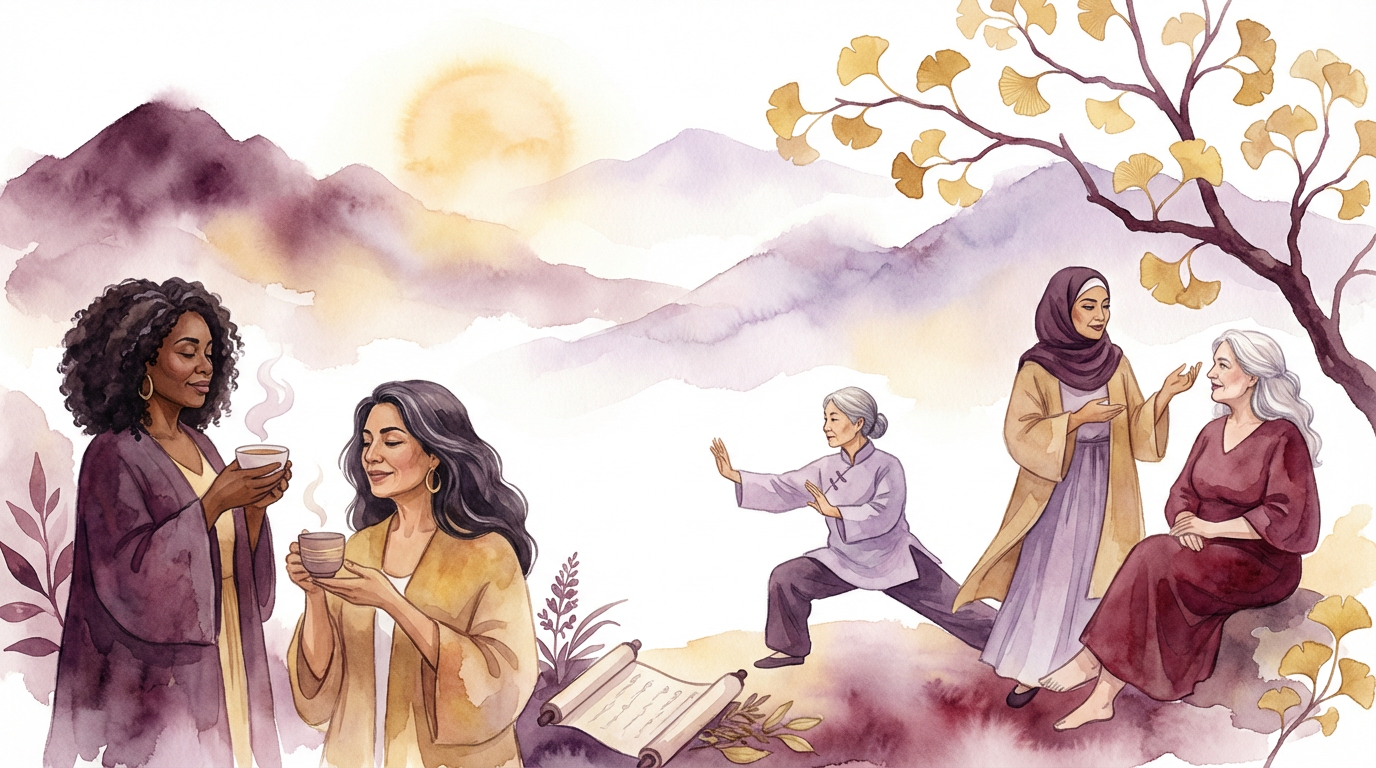
Qigong and Tai Chi are gentle mind-body practices that combine slow, deliberate movements with deep breathing and meditation. These practices are excellent for menopause wellness as they cultivate and regulate Qi, improve circulation, reduce stress, and enhance flexibility and balance. Regular practice can help calm the nervous system, reduce anxiety, improve sleep, and build resilience against the physical and emotional challenges of menopause. The meditative aspect of these exercises fosters a sense of inner peace and self-awareness.
What Role Does Ayurveda Play in Menopause Management?
While distinct from TCM, Ayurvedic medicine, an ancient Indian system of holistic healing, also offers valuable insights into menopause wellness. Ayurveda views menopause as a natural transition influenced by the three doshas: Vata, Pitta, and Kapha. The dominant dosha at play determines the unique manifestation of menopausal symptoms.
Understanding Dosha Imbalances in Menopause
- •Vata Menopause: Characterized by dryness, anxiety, insomnia, irregular periods, bloating, and joint pain. These symptoms are linked to the airy and ethereal qualities of Vata. Ayurvedic approaches focus on grounding, nourishing, and warming practices.
- •Pitta Menopause: Manifests as hot flashes, night sweats, irritability, anger, skin rashes, and heavy bleeding. Pitta is associated with fire and water. Management involves cooling and calming therapies.
- •Kapha Menopause: Less common, but can present as weight gain, sluggishness, fluid retention, depression, and yeast infections. Kapha is linked to earth and water. Strategies aim to stimulate and lighten.
Ayurvedic Therapies for Balance
Ayurvedic menopause wellness strategies include:
- •Dietary Adjustments: Tailored to an individual's dominant dosha. For Vata, warm, nourishing, oily foods; for Pitta, cooling, non-spicy foods; for Kapha, light, stimulating foods. Specific herbs like Shatavari (Asparagus racemosus) are highly regarded as a female tonic, supporting reproductive health and balancing hormones.
- •Herbal Remedies: Ashwagandha for stress and fatigue, Brahmi for cognitive function, Licorice for adrenal support, and Amla (Indian Gooseberry) for its rich antioxidant properties are commonly used.
- •Panchakarma: Detoxification therapies, such as specialized massages (Abhyanga), oil treatments, and cleansing procedures, are sometimes recommended to rebalance the doshas.
- •Yoga and Meditation: Similar to Qigong, these practices calm the mind, reduce stress, improve flexibility, and balance the energetic body. Specific asanas (poses) and pranayama (breathing techniques) can be recommended based on dosha imbalances.
- •Lifestyle Recommendations: Emphasizing regular routines, adequate sleep, self-massage with warming oils (for Vata), and avoiding excessive heat (for Pitta) are crucial for sustained menopause wellness.
What are the Common Benefits of Integrating East Asian Approaches?
Integrating East Asian approaches into your menopause wellness plan offers a multitude of benefits, extending beyond mere symptom management:
- •Holistic Well-being: These methods treat the whole person, not just symptoms, leading to improved overall health, vitality, and emotional balance.
- •Reduced Symptom Severity: Many women experience significant relief from hot flashes, night sweats, mood swings, insomnia, and fatigue without the side effects associated with conventional HRT.
- •Personalized Care: Treatments are highly individualized, adapting to your unique constitution and evolving symptoms, ensuring a tailored approach to your menopause wellness journey.
- •Empowerment and Self-Care: East Asian traditions often involve self-care practices like dietary adjustments, exercises, and mindfulness, empowering women to take an active role in their health.
- •Prevention and Longevity: By addressing underlying imbalances, these approaches can help prevent future health issues associated with aging, such as bone density loss and cardiovascular concerns, fostering long-term menopause wellness.
- •Stress Reduction: Practices like acupuncture, Qigong, Tai Chi, and meditation are highly effective in reducing stress, anxiety, and improving mental clarity, which are often exacerbated during menopause.
How Can I Incorporate East Asian Wisdom into My Menopause Journey?
Adopting East Asian principles for your menopause wellness journey can be a transformative experience. Here are actionable steps to consider:
- •Consult a Qualified Practitioner: Seek out a licensed TCM practitioner or an Ayurvedic doctor who specializes in women's health. They can provide an accurate diagnosis, personalize treatment plans, and guide you through the process. Look for practitioners with national certifications and good patient reviews.
- •Embrace Dietary Changes: Start by incorporating more whole, unprocessed foods. Pay attention to how different foods make you feel. Consider reducing caffeine, alcohol, and spicy foods if you experience hot flashes. Increase intake of cooling, nourishing foods like leafy greens, berries, and omega-3 rich fish. Explore specific recommendations from your practitioner.
- •Explore Acupuncture: If hot flashes, night sweats, or anxiety are prominent, consider a course of acupuncture treatments. Many women find relief within 6-12 sessions.
- •Consider Herbal Formulas: Discuss with your practitioner whether Chinese herbal medicine or Ayurvedic herbs are appropriate for your specific symptoms and constitution. Always use herbs under professional guidance, as they can be potent and interact with other medications.
- •Integrate Mind-Body Practices: Dedicate time each day to Qigong, Tai Chi, yoga, or meditation. Even 10-15 minutes can make a significant difference in stress levels and overall well-being. There are many online resources and local classes available.
- •Prioritize Sleep: Establish a consistent sleep routine. Create a calming bedtime ritual. East Asian medicine emphasizes the importance of rest for restoring Yin energy.
- •Stay Hydrated: Drink plenty of water throughout the day. Herbal teas tailored to your needs can also be beneficial.
- •Educate Yourself: Learn more about the principles of TCM or Ayurveda to better understand your body and how these systems work. This knowledge empowers you to make informed decisions about your menopause wellness.
By embracing these time-honored approaches, women can navigate menopause with greater ease, resilience, and a profound sense of well-being, transforming this stage of life into a period of renewed strength and vitality.
Key Takeaways
- •East Asian traditions view menopause as a natural energetic transition, focusing on restoring balance within the body rather than solely treating symptoms.
- •TCM emphasizes nourishing Kidney Essence and balancing Yin and Yang through acupuncture, herbal medicine, dietary therapy, and Qigong/Tai Chi.
- •Ayurveda addresses menopause through the lens of doshas (Vata, Pitta, Kapha), utilizing dietary adjustments, specific herbs, yoga, and lifestyle changes.
- •Benefits include significant symptom relief, holistic well-being, personalized care, empowerment, and long-term health promotion.
- •Consulting qualified practitioners and integrating mind-body practices are crucial steps for incorporating these approaches into your menopause wellness journey.
Frequently Asked Questions
Q1: Is East Asian medicine safe to use alongside conventional Western treatments for menopause?
A1: Yes, East Asian medicine, particularly acupuncture and certain herbal remedies, can often be safely integrated with Western medical treatments. However, it is crucial to inform both your Western doctor and your East Asian practitioner about all medications, supplements, and treatments you are receiving to avoid potential interactions and ensure coordinated care for your menopause wellness.
Q2: How quickly can I expect to see results from East Asian therapies for menopausal symptoms?
A2: The timeline for seeing results varies greatly depending on the individual, the severity of symptoms, and the specific therapies used. Some women may experience noticeable relief from symptoms like hot flashes within a few weeks of starting acupuncture or herbal medicine, while others may require several months for more profound and lasting changes. Consistency and adherence to the treatment plan are key for optimal menopause wellness outcomes.
Q3: Are there any side effects associated with Chinese herbal medicine for menopause?
A3: When prescribed and monitored by a qualified and licensed TCM practitioner, Chinese herbal medicine is generally safe. However, like any potent medicine, side effects can occur, although they are typically mild and transient, such as digestive upset. It is critical to disclose all existing health conditions and medications to your practitioner, as some herbs can interact with pharmaceutical drugs or be contraindicated in certain situations. Self-prescribing herbs is not recommended.
Q4: Can menopausal women with specific health conditions, like high blood pressure or diabetes, still use East Asian approaches?
A4: Yes, East Asian approaches can often be adapted for women with co-existing health conditions. In fact, many TCM and Ayurvedic strategies inherently support overall health and can be beneficial for managing conditions like high blood pressure or diabetes. However, it is absolutely essential to work with a practitioner who is experienced in managing complex cases and to ensure all your healthcare providers are aware of your full treatment plan to maintain safety and efficacy for your menopause wellness.
Q5: What is the primary difference between a TCM and an Ayurvedic approach to menopause?
A5: While both are holistic and ancient, TCM focuses on balancing Yin and Yang, Qi, and Blood within specific organ systems (especially the Kidneys) and meridians. Ayurveda, on the other hand, conceptualizes health through the balance of three doshas (Vata, Pitta, Kapha) and the elements. Both use diet, herbs, and lifestyle but have different diagnostic frameworks and specific therapeutic strategies. A TCM practitioner might focus on 'Kidney Yin deficiency' while an Ayurvedic practitioner might identify 'Pitta imbalance' as the root cause of similar symptoms.
Q6: Do East Asian approaches only focus on physical symptoms, or do they address emotional well-being too?
A6: East Asian approaches are inherently holistic, meaning they address both physical and emotional well-being. In TCM, emotions are closely linked to organ systems (e.g., anger with the Liver, anxiety with the Heart, fear with the Kidneys). Treatments aim to harmonize these connections, providing relief for mood swings, anxiety, depression, and irritability commonly experienced during menopause. Practices like Qigong, Tai Chi, and meditation are also powerful tools for emotional regulation and stress reduction, promoting comprehensive menopause wellness.
Q7: Are there specific East Asian foods or superfoods that are particularly beneficial during menopause?
A7: Yes, several foods are highly valued in East Asian traditions for their benefits during menopause. In TCM, black sesame seeds, goji berries (Lycium barbarum), black beans, walnuts, and mulberries are often recommended to nourish Kidney Yin and Essence. Seaweeds are also beneficial for their mineral content. In Ayurveda, Shatavari, Amla, and ghee (clarified butter) are considered rejuvenating. Generally, a diet rich in whole grains, fresh vegetables, fruits, and lean proteins, while minimizing processed foods, sugar, and excessive caffeine, forms the foundation for supporting menopause wellness.
Start Your Wellness Journey Today
Ready to track your cycle, fertility, pregnancy, or menopause journey? Download PERIODiQ - your iQ-powered wellness companion designed for every stage of your health journey.
Get PERIODiQ Free: https://periodiq.app
Your Wellness Journey Starts Here
Download PERIODiQ
Scan the QR code or tap the link to get started with your personalized health tracking.
periodiq.app • iOS & Android
Cite this article
PERIODiQ Editorial Team (2026). "East Asian Approaches to Menopause Wellness: A Holistic Guide." PERIODiQ. https://periodiq.app/library/east-asian-approaches-to-menopause-wellness-a-holistic-guide-1774202218633
"East Asian Approaches to Menopause Wellness: A Holistic Guide." PERIODiQ, 2026, https://periodiq.app/library/east-asian-approaches-to-menopause-wellness-a-holistic-guide-1774202218633.
Send this to a friend — PERIODiQ is free for them too. No card. No paywall.
Loved this? Save articles, track your cycle, and unlock meditations — free forever.
Disclaimer: PERIODiQ™ offers general wellness information only. It does not provide medical advice, diagnosis, or treatment. Always speak with a licensed health professional about your health.