East Asian Approaches to Menopause Wellness: A Holistic Guide
East Asian traditions offer a holistic and nuanced perspective on menopause wellness, viewing it not as a deficiency but as a natural transition. Practices like Traditional Chinese Medicine (TCM), Ayurveda, and lifestyle adjustments emphasize balance, harmony, and personalized care to alleviate symptoms and promote overall well-being during this life stage.
Listen to this article
~13 min listen
Click play to generate audio narration with a calming voice
TL;DR Summary
- •East Asian approaches to menopause wellness focus on holistic balance and harmony, treating the individual rather than just symptoms.
- •Key practices include acupuncture, herbal medicine, dietary adjustments, and mindfulness to support the body's natural transition.
- •These traditions offer personalized, long-term strategies for managing menopausal symptoms and enhancing overall well-being.
East Asian Approaches to Menopause Wellness: A Holistic Guide
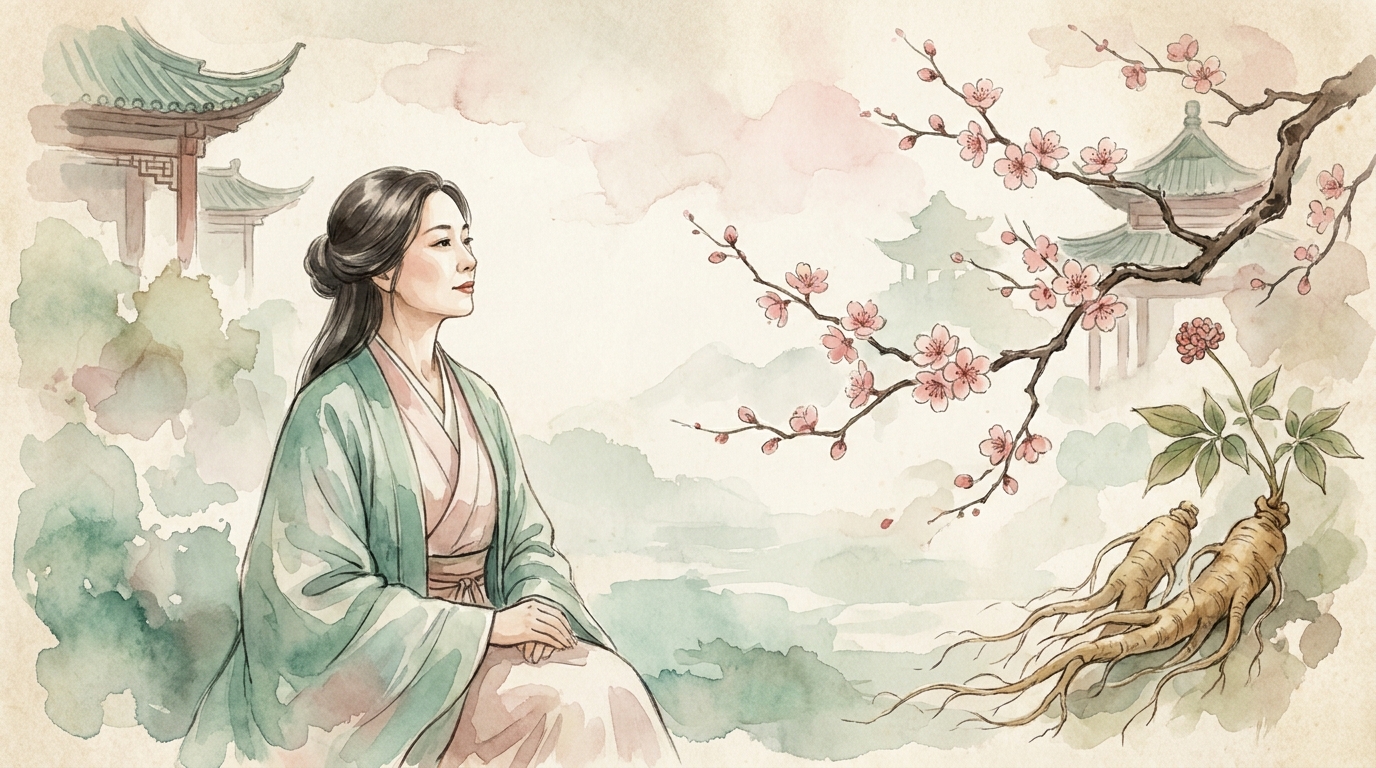
East Asian approaches to menopause wellness offer a rich tapestry of traditional practices that view this significant life stage not as an illness to be cured, but as a natural and transformative transition. Unlike Western medicine's often symptom-focused approach, these ancient traditions, primarily Traditional Chinese Medicine (TCM) and elements from Ayurvedic principles, emphasize restoring balance, nurturing vital energy (Qi), and supporting the body's innate wisdom. This holistic perspective aims to alleviate menopausal symptoms, promote healthy aging, and enhance overall well-being by addressing the root causes of imbalance within the body.
What is the East Asian Perspective on Menopause?
The East Asian perspective on menopause, deeply rooted in philosophies like Traditional Chinese Medicine (TCM), views this transition as a natural decline in Kidney Essence (Jing), specifically Kidney Yin. In TCM, the Kidneys are considered the foundation of life, governing growth, reproduction, and aging. Kidney Yin represents the cooling, nourishing, and moistening aspects of the body, while Kidney Yang represents the warming and activating aspects. As women age, a natural decline in Kidney Essence occurs, leading to a relative deficiency of Kidney Yin. This imbalance manifests as classic menopausal symptoms, which are often interpreted as signs of 'internal heat' or 'empty heat' due to insufficient cooling Yin.
Symptoms such as hot flashes, night sweats, vaginal dryness, insomnia, anxiety, and irritability are understood as manifestations of this Yin deficiency. The goal of East Asian medicine is not to replace hormones, but to nourish and replenish Kidney Yin, balance the body's internal environment, and support the smooth flow of Qi (life force energy) and Blood. This approach recognizes that every woman's experience of menopause is unique, influenced by her constitutional makeup, lifestyle, and emotional state, leading to personalized treatment strategies.
How Do East Asian Dietary Practices Support Menopause Wellness?
Diet plays a pivotal role in East Asian approaches to menopause wellness, emphasizing foods that nourish the body, build vital energy, and restore balance. The principle is to consume foods that support Kidney Yin and blood, cool 'internal heat,' and aid digestion. This is a personalized approach, often guided by an individual's specific symptoms and constitutional patterns.
Key Dietary Principles:
- •Nourishing Kidney Yin: Foods considered beneficial include black sesame seeds, walnuts, goji berries (wolfberries), mulberries, black beans, soybeans (and fermented soy products like tempeh and miso), spirulina, and seaweed. These foods are thought to replenish the body's essential fluids and essences.
- •Cooling 'Empty Heat': To combat hot flashes and night sweats, cooling foods are recommended. These include fresh fruits and vegetables, particularly cucumbers, watermelon, pears, apples, and leafy greens. Avoiding or limiting warming and stimulating foods like spicy dishes, excessive caffeine, alcohol, and refined sugars is also crucial, as these can exacerbate heat symptoms.
- •Supporting Digestion: A healthy digestive system is paramount for nutrient absorption and Qi production. Easily digestible, warm, cooked foods are preferred over cold or raw foods. Congee (rice porridge), soups, and stews are staples, as they are gentle on the stomach and provide sustained energy.
- •Omega-3 Fatty Acids: While not exclusively an East Asian concept, many traditional diets include sources of omega-3s, found in fatty fish like salmon, mackerel, and sardines. These are recognized for their anti-inflammatory properties and ability to support overall hormonal balance and cardiovascular health, which is particularly relevant during menopause.
- •Mindful Eating: Beyond specific foods, the practice of mindful eating – eating slowly, chewing thoroughly, and being present during meals – is encouraged to enhance digestion and promote a sense of calm, contributing to overall menopause wellness.
What Role Does Herbal Medicine Play in Managing Menopausal Symptoms?
Herbal medicine is a cornerstone of East Asian approaches to menopause wellness, particularly within Traditional Chinese Medicine (TCM). Unlike single-herb Western supplements, TCM uses complex formulas tailored to an individual's unique pattern of imbalance. These formulas are designed to address the root cause of symptoms, not just mask them.
Commonly Used Herbs and Their Actions:
- •Rehmannia Root (Shu Di Huang): A primary herb for nourishing Kidney Yin and Blood, often used in formulas for hot flashes, night sweats, dryness, and fatigue.
- •Dong Quai (Angelica Sinensis): Known as the 'female ginseng,' it's used to nourish blood, regulate menstruation, and alleviate symptoms like hot flashes, mood swings, and vaginal dryness. It's often part of formulas to improve circulation and reduce stagnation.
- •Ligustrum (Nu Zhen Zi): Another herb that nourishes Kidney and Liver Yin, beneficial for hot flashes, dizziness, ringing in the ears, and blurred vision.
- •Poria (Fu Ling): Often used to strengthen the Spleen (which aids digestion and nutrient absorption) and to drain dampness, helping with edema, fatigue, and digestive issues that can accompany menopause.
- •Chinese Yam (Shan Yao): Tones the Spleen, Lung, and Kidney, supporting digestion, energy, and overall vitality.
- •Bupleurum (Chai Hu): Used to soothe the Liver Qi, which can become stagnant during menopause, leading to irritability, mood swings, and breast tenderness.
- •Black Cohosh (Sheng Ma): While more commonly known in Western herbalism, its roots in traditional medicine for 'lifting' and 'clearing heat' are sometimes referenced in broader East Asian herbal discussions for menopausal symptom relief.
Herbal formulas are typically prescribed by a qualified TCM practitioner after a thorough diagnosis, which includes pulse and tongue examination. The practitioner will combine several herbs to create a synergistic effect, addressing multiple symptoms and underlying imbalances simultaneously. This personalized approach ensures safety and efficacy, avoiding the 'one-size-fits-all' pitfalls.
Can Acupuncture and Acupressure Alleviate Menopausal Symptoms?
Acupuncture and acupressure are highly regarded in East Asian medicine for their efficacy in promoting menopause wellness. Both techniques work by stimulating specific points on the body's meridians (energy pathways) to restore the flow of Qi, balance Yin and Yang, and promote healing.
Acupuncture:
- •Mechanism: Fine needles are inserted into specific acupoints. Research suggests acupuncture may influence the endocrine system, modulating hormone levels (like FSH and estradiol), neurotransmitters (like serotonin and endorphins), and the autonomic nervous system. This can help regulate body temperature, improve sleep, reduce anxiety, and alleviate pain.
- •Benefits for Menopause: Numerous studies and clinical observations indicate acupuncture can significantly reduce the frequency and intensity of hot flashes and night sweats. It can also improve sleep quality, reduce mood swings, lessen anxiety and depression, and alleviate vaginal dryness. The treatment is personalized, with acupoints chosen based on the individual's specific TCM diagnosis.
Acupressure:
- •Mechanism: Involves applying firm pressure to acupoints with fingers, thumbs, or other devices, rather than needles. It offers a gentler, non-invasive alternative that individuals can often perform on themselves.
- •Benefits for Menopause: While perhaps less potent than acupuncture, regular acupressure can still be effective for symptom management. Specific points, such as Spleen 6 (SP6) for hormonal balance, Kidney 3 (KI3) for nourishing Yin, and Liver 3 (LV3) for soothing Liver Qi, can be self-massaged to help with hot flashes, anxiety, and insomnia. It's an accessible tool for daily self-care and empowerment in managing menopause wellness.
Both acupuncture and acupressure aim to harmonize the body's internal environment, enabling it to adapt more smoothly to the hormonal shifts of menopause.
What Lifestyle Practices are Recommended for Menopause in East Asian Traditions?
East Asian traditions emphasize a holistic lifestyle approach that integrates mind, body, and spirit to support menopause wellness. These practices are not just about symptom management but about cultivating overall vitality and graceful aging.
Key Lifestyle Practices:
- •Qi Gong and Tai Chi: These gentle mind-body exercises combine slow, flowing movements, deep breathing, and meditation. They are believed to cultivate and circulate Qi, promote relaxation, reduce stress, improve balance, enhance bone density, and regulate blood pressure. Regular practice can significantly reduce hot flashes, improve sleep, and boost mood during menopause.
- •Meditation and Mindfulness: Stress is a significant exacerbator of menopausal symptoms. Practices like meditation, mindfulness, and deep breathing exercises are crucial for calming the nervous system, reducing anxiety, improving emotional regulation, and fostering a sense of inner peace. This helps the body cope better with hormonal fluctuations.
- •Adequate Rest and Sleep Hygiene: Prioritizing sleep is fundamental. East Asian medicine views sleep as a time for the body to restore Yin and regenerate. Establishing a consistent sleep schedule, creating a dark and cool sleep environment, and avoiding stimulating activities before bed are vital for combating insomnia and fatigue often associated with menopause.
- •Balanced Activity: While exercise is encouraged, the emphasis is on moderate, consistent activity rather than strenuous exertion that can deplete Qi. Walking, swimming, yoga, and other gentle forms of exercise are preferred to maintain cardiovascular health, bone density, and muscle tone without overtaxing the body.
- •Emotional Well-being: Emotional balance is central to East Asian health. Unresolved emotions like anger, worry, or grief are believed to disrupt Qi flow and contribute to physical symptoms. Practices that support emotional release, self-compassion, and connection with nature are encouraged.
- •Seasonal Living: Adapting one's diet and lifestyle to the changing seasons is another principle. For example, consuming more warming foods in winter and cooling foods in summer to maintain internal balance.
These integrated lifestyle practices empower women to actively participate in their menopause wellness journey, fostering resilience and promoting a smooth transition.
How Does East Asian Medicine Differ from Western Approaches to Menopause?
The fundamental differences between East Asian and Western approaches to menopause lie in their underlying philosophies, diagnostic methods, and treatment strategies.
Western Approach:
- •Philosophy: Views menopause primarily as a hormone deficiency (estrogen decline), often seen as a medical condition requiring intervention.
- •Diagnosis: Relies heavily on blood tests to measure hormone levels (FSH, estradiol) and symptom questionnaires.
- •Treatment: Primarily focuses on Hormone Replacement Therapy (HRT) to replace declining hormones, or pharmaceutical medications to manage specific symptoms (e.g., antidepressants for mood, vaginal creams for dryness). The focus is often on symptom suppression.
- •View of the Body: Tends to be reductionist, isolating organs and systems, and seeking to fix specific biochemical imbalances.
- •Personalization: While individual symptoms are considered, the underlying treatment (e.g., HRT) is often a standardized therapy, with dosage adjustments.
East Asian Approach (e.g., TCM):
- •Philosophy: Views menopause as a natural, albeit sometimes challenging, life transition where the body's vital energies (Yin, Yang, Qi, Blood) shift and decline. It's not a disease but a process of rebalancing.
- •Diagnosis: Employs a holistic diagnostic process, including observation (tongue diagnosis), listening (voice, breathing), asking (detailed symptom history, lifestyle), and palpation (pulse diagnosis). These reveal patterns of imbalance, not just isolated symptoms.
- •Treatment: Aims to restore balance and harmony within the body's energetic systems. This involves personalized combinations of herbal medicine, acupuncture, dietary adjustments, and lifestyle modifications (Qi Gong, meditation). The focus is on nurturing the body's innate healing capacity and strengthening its foundational energies.
- •View of the Body: Holistic and interconnected. The body, mind, and spirit are seen as an inseparable unit, and symptoms are manifestations of deeper systemic imbalances.
- •Personalization: Highly individualized. Two women with similar menopausal symptoms might receive entirely different herbal formulas or acupuncture treatments based on their unique constitutional patterns and underlying imbalances.
While distinct, these approaches are not mutually exclusive. Many women find benefit in integrating aspects of both, using Western medicine for acute issues or specific diagnoses, and East Asian practices for holistic support, symptom management, and long-term menopause wellness.
Can East Asian Practices Be Integrated with Western Medicine for Menopause?
Absolutely. Integrating East Asian practices with conventional Western medicine is an increasingly popular and effective strategy for managing menopause wellness. This integrative approach leverages the strengths of both systems, offering comprehensive care that addresses both symptoms and underlying imbalances.
Benefits of Integration:
- •Holistic Symptom Management: Western medicine can provide immediate relief for severe symptoms (e.g., HRT for intense hot flashes, medication for specific medical conditions). East Asian practices, such as acupuncture and herbal medicine, can then complement this by addressing the root causes, reducing the frequency and intensity of symptoms, and mitigating potential side effects of Western treatments.
- •Reduced Side Effects: For women who cannot or choose not to use HRT, East Asian therapies offer effective alternatives for symptom relief. For those on HRT, these practices can help manage residual symptoms or support overall well-being.
- •Enhanced Well-being: East Asian lifestyle practices like Qi Gong, Tai Chi, and meditation are excellent for stress reduction, mood regulation, and improving sleep quality, all of which contribute significantly to overall quality of life during menopause. These are often not primary focuses in conventional Western medical consultations.
- •Personalized Care: A truly integrative approach allows for highly personalized treatment plans. A Western doctor might monitor bone density, heart health, and hormone levels, while a TCM practitioner focuses on energetic balance, dietary recommendations, and emotional support, creating a synergistic effect.
- •Empowerment: This approach empowers women to take an active role in their health. By understanding and implementing both Western medical advice and East Asian self-care practices, women gain a broader toolkit for navigating the menopausal transition gracefully.
When considering an integrated approach, it's crucial to communicate openly with all healthcare providers. Inform your Western doctor about any herbal supplements or alternative therapies you are using, and similarly, inform your East Asian practitioner about any medications or treatments prescribed by your doctor. This ensures safety, avoids potential interactions, and optimizes treatment outcomes for your comprehensive menopause wellness journey.
Key Takeaways
- •East Asian approaches view menopause as a natural process of energetic transition, focusing on balance rather than deficiency.
- •Dietary modifications, emphasizing Yin-nourishing and cooling foods, are central to managing symptoms like hot flashes.
- •Herbal medicine utilizes complex, personalized formulas to address root imbalances and alleviate a wide range of menopausal symptoms.
- •Acupuncture and acupressure are effective for modulating hormones, reducing hot flashes, improving sleep, and calming the nervous system.
- •Lifestyle practices like Qi Gong, Tai Chi, meditation, and adequate rest are crucial for comprehensive menopause wellness.
- •Integration of East Asian practices with Western medicine offers a powerful, holistic strategy for managing menopause and enhancing overall well-being.
Frequently Asked Questions
Q1: Are East Asian herbal remedies safe to use with Western medications?
A1: It's crucial to consult with both your Western medical doctor and a qualified East Asian herbalist before combining herbal remedies with Western medications. Some herbs can interact with prescription drugs, potentially altering their effectiveness or causing adverse reactions. Open communication with both practitioners ensures safety and optimal treatment.
Q2: How quickly can I expect to see results from East Asian treatments for menopausal symptoms?
A2: The timeline for results varies depending on the individual, the severity of symptoms, and the specific treatment plan. While some women may experience relief from hot flashes or improved sleep within a few weeks of starting acupuncture or herbal medicine, a more significant and lasting improvement often requires consistent treatment over several months. East Asian medicine aims for gradual, sustained rebalancing rather than immediate, temporary fixes.
Q3: Do I need to stop HRT to try East Asian approaches for menopause wellness?
A3: No, you do not necessarily need to stop Hormone Replacement Therapy (HRT) to incorporate East Asian approaches. Many women successfully integrate both. East Asian practices can complement HRT by managing residual symptoms, addressing underlying imbalances, and supporting overall well-being. Always discuss your intentions with both your Western doctor and your East Asian practitioner to ensure a safe and coordinated approach.
Q4: Are there any specific East Asian superfoods recommended for menopause?
A4: While the concept of 'superfoods' is more Western, several foods are highly valued in East Asian traditions for their benefits during menopause. These include black sesame seeds, goji berries (wolfberries), mulberries, black beans, walnuts, and fermented soy products like miso and tempeh. These foods are often emphasized for their ability to nourish Kidney Yin and support vital essence.
Q5: Can menopausal women of all body types and constitutions benefit from East Asian medicine?
A5: Yes, East Asian medicine, particularly Traditional Chinese Medicine (TCM), is highly individualized. A core principle is to diagnose and treat the unique 'pattern of imbalance' within each person, regardless of their body type or constitution. A qualified practitioner will tailor dietary recommendations, herbal formulas, and acupuncture points specifically to your body's needs, making it suitable for a wide range of individuals.
Q6: Is there scientific evidence supporting the effectiveness of East Asian approaches for menopause?
A6: Yes, there is a growing body of scientific research supporting the efficacy of East Asian approaches for menopause wellness. Studies have shown acupuncture to be effective in reducing hot flashes, improving sleep, and alleviating mood swings. Research on specific herbal formulas and individual herbs like black cohosh (often referenced in broader East Asian contexts) also indicates benefits for various menopausal symptoms. While more large-scale, rigorous studies are always welcomed, existing evidence supports their therapeutic value.
Q7: How can I find a reputable East Asian practitioner for menopause support?
A7: To find a reputable practitioner, look for individuals who are licensed and certified in acupuncture and/or Chinese herbal medicine. In the US, this often means they have a Master's or Doctoral degree from an accredited program and are certified by the National Certification Commission for Acupuncture and Oriental Medicine (NCCAOM). Professional organizations, referrals from trusted healthcare providers, or word-of-mouth can also help you find a qualified and experienced practitioner specializing in women's health or menopause.
Start Your Wellness Journey Today
Ready to track your cycle, fertility, pregnancy, or menopause journey? Download PERIODiQ - your iQ-powered wellness companion designed for every stage of your health journey.
Get PERIODiQ Free: https://periodiq.app
Your Wellness Journey Starts Here
Download PERIODiQ
Scan the QR code or tap the link to get started with your personalized health tracking.
periodiq.app • iOS & Android
Cite this article
PERIODiQ Editorial Team (2026). "East Asian Approaches to Menopause Wellness: A Holistic Guide." PERIODiQ. https://periodiq.app/library/east-asian-approaches-to-menopause-wellness-a-holistic-guide
"East Asian Approaches to Menopause Wellness: A Holistic Guide." PERIODiQ, 2026, https://periodiq.app/library/east-asian-approaches-to-menopause-wellness-a-holistic-guide.
Send this to a friend — PERIODiQ is free for them too. No card. No paywall.
Loved this? Save articles, track your cycle, and unlock meditations — free forever.
Disclaimer: PERIODiQ™ offers general wellness information only. It does not provide medical advice, diagnosis, or treatment. Always speak with a licensed health professional about your health.