
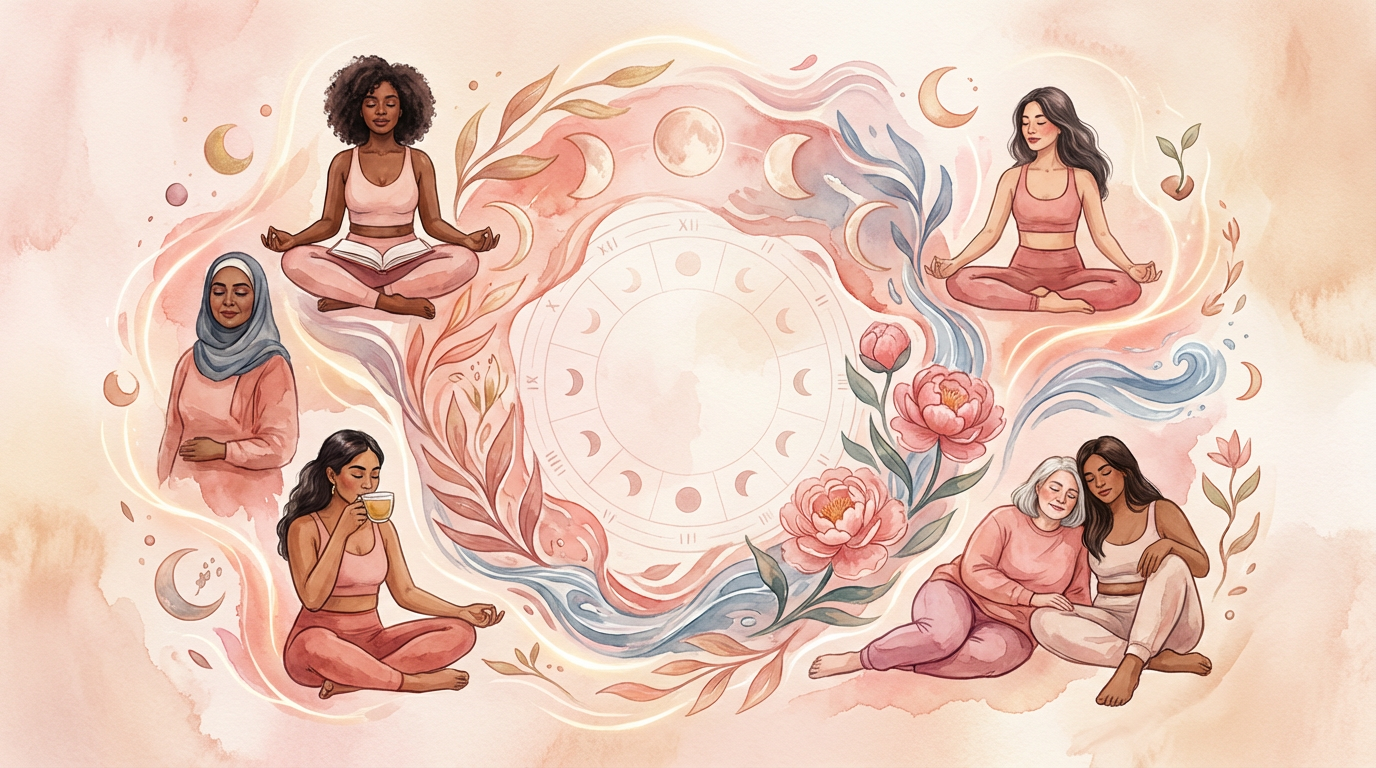
Cycle Syncing: Align Your Life with Your Cycle
Generated article about Cycle Syncing: Align Your Life with Your Cycle
Listen to this article
~17 min listen
Click play to generate audio narration with a calming voice
TL;DR Summary
- •Cycle syncing involves adapting lifestyle choices (diet, exercise, social activities) to the distinct hormonal shifts of the four menstrual cycle phases.
- •It aims to optimize energy, mood, productivity, and overall well-being by working with, rather than against, natural hormonal rhythms.
- •Understanding your cycle phases—menstrual, follicular, ovulatory, and luteal—is key to implementing effective cycle syncing strategies.
Introduction
Cycle syncing is a holistic approach to wellness that involves aligning your diet, exercise, work, and social life with the natural hormonal fluctuations of your menstrual cycle. This practice empowers women to optimize their energy levels, mood, productivity, and overall well-being by understanding and responding to the unique demands and strengths of each cycle phase. By intentionally adjusting daily activities, women can mitigate common challenges like PMS and fatigue, while enhancing the natural benefits of each phase.
What Is Cycle Syncing and Why Is It Important?
Cycle syncing is the intentional practice of tailoring your lifestyle, including nutrition, fitness, social engagements, and work tasks, to correspond with the distinct hormonal shifts that occur throughout your menstrual cycle. It's important because it allows you to harness your body's innate wisdom, rather than constantly fighting against it, leading to improved energy, mood stability, reduced PMS symptoms, and enhanced productivity. Instead of a linear, day-to-day approach to health, cycle syncing acknowledges the cyclical nature of women's bodies, providing a framework for living in harmony with these powerful rhythms.
The Science Behind Cycle Syncing: Hormonal Fluctuations
The science behind cycle syncing is rooted in the dynamic interplay of key reproductive hormones: estrogen, progesterone, follicle-stimulating hormone (FSH), and luteinizing hormone (LH). These hormones fluctuate predictably across the four main phases of your menstrual cycle, influencing everything from your energy metabolism and mood to your cognitive function and physical strength. For instance, rising estrogen levels during the follicular phase can boost energy and mood, while the surge of progesterone in the luteal phase often leads to a desire for more rest and inward focus. Understanding these hormonal shifts provides the foundation for making informed lifestyle choices.
What Are the Four Phases of the Menstrual Cycle?
Understanding the four distinct phases of the menstrual cycle is fundamental to effective cycle syncing. Each phase is characterized by specific hormonal patterns that influence your physical, emotional, and cognitive states.
1. The Menstrual Phase (Winter: Days 1-5/7)
The menstrual phase begins on the first day of your period, marking the shedding of the uterine lining. During this phase, estrogen and progesterone levels are at their lowest. This hormonal dip often leads to lower energy levels, increased need for rest, and a tendency towards introspection. Physiologically, the body is undergoing a significant process, requiring more resources for repair and renewal.
- •Hormonal Profile: Low estrogen, low progesterone.
- •Common Feelings: Low energy, fatigue, introspective, reflective, potentially irritable or emotional.
- •Best Activities: Gentle movement, rest, journaling, planning, inward focus.
2. The Follicular Phase (Spring: Days 6/8-13)
The follicular phase starts after your period ends and lasts until ovulation. During this time, estrogen begins to rise, stimulating the growth of follicles in the ovaries. This increase in estrogen often brings a natural boost in energy, mood, and cognitive function, making it an ideal time for new beginnings and social engagement. FSH is also rising to mature the egg.
- •Hormonal Profile: Rising estrogen, low progesterone.
- •Common Feelings: Increased energy, optimism, creativity, social, outgoing, focused.
- •Best Activities: Learning new things, brainstorming, moderate to intense exercise, social gatherings, starting new projects.
3. The Ovulatory Phase (Summer: Days 14-17)
The ovulatory phase is a short but powerful window around mid-cycle, triggered by a surge in LH, leading to the release of an egg from the ovary. Estrogen levels peak just before ovulation, contributing to heightened energy, confidence, and communication skills. This is the most fertile window of the cycle.
- •Hormonal Profile: Peak estrogen, LH surge, testosterone surge.
- •Common Feelings: High energy, confident, articulate, social, sensual, magnetic.
- •Best Activities: High-intensity workouts, important meetings, public speaking, social events, dating, conception efforts.
4. The Luteal Phase (Autumn: Days 18-28)
Following ovulation, the luteal phase begins, characterized by rising progesterone and a secondary, smaller rise in estrogen. Progesterone is crucial for maintaining the uterine lining and often brings a sense of calm and a desire to nest, but can also contribute to PMS symptoms as levels decline towards the end of the phase. Energy levels gradually decrease, and the body prepares for either pregnancy or menstruation.
- •Hormonal Profile: Rising progesterone, secondary estrogen rise, then both decline if no pregnancy.
- •Common Feelings: Calm, focused, nesting, potentially irritable, anxious, or tired towards the end (PMS).
- •Best Activities: Strength training, moderate exercise, completing tasks, organizing, self-care, meal prepping.
How to Cycle Sync Your Life: Practical Strategies
Cycle syncing involves making intentional adjustments across various aspects of your life. Here's how you can align your diet, exercise, work, and social activities with each phase.
Cycle Syncing Your Diet: Nutritional Support for Each Phase
Optimizing your nutrition based on your cycle phases can significantly impact energy, mood, and symptom management. Each phase has unique nutritional needs.
- •Menstrual Phase (Winter): Focus on nutrient-dense, warming, and iron-rich foods to replenish lost blood and support energy. Think bone broth, slow-cooked stews, dark leafy greens, lentils, and berries. Hydration is key.
- •Follicular Phase (Spring): As estrogen rises, your metabolism slows slightly, and energy increases. Incorporate lighter, fresh foods that support estrogen metabolism like fermented foods, cruciferous vegetables (broccoli, cauliflower), lean proteins, and complex carbohydrates. Focus on vibrant, raw, and steamed foods.
- •Ovulatory Phase (Summer): With peak estrogen, focus on liver-supporting foods to help process excess hormones. Consume plenty of raw fruits and vegetables, antioxidants, and anti-inflammatory foods like leafy greens, sprouts, and colorful berries. Stay well-hydrated.
- •Luteal Phase (Autumn): Progesterone rises, increasing your metabolic rate and caloric needs. Focus on complex carbohydrates for sustained energy (sweet potatoes, quinoa), magnesium-rich foods (dark chocolate, nuts, seeds) to combat PMS, and healthy fats. Reduce caffeine and refined sugar to minimize mood swings.
Cycle Syncing Your Exercise: Movement for Optimal Energy
Adjusting your fitness routine to match your energy levels and hormonal state can prevent burnout and maximize results.
- •Menstrual Phase (Winter): Prioritize rest and gentle movement. Think restorative yoga, walking, stretching, or light Pilates. Avoid intense workouts that can deplete energy further.
- •Follicular Phase (Spring): Energy and strength begin to build. Gradually increase intensity with cardio, dance, or bodyweight exercises. This is a great time to try new workouts.
- •Ovulatory Phase (Summer): Peak energy and strength. Ideal for high-intensity interval training (HIIT), heavy lifting, running, and challenging cardio. You'll feel strong and powerful.
- •Luteal Phase (Autumn): Energy gradually declines. Shift to strength training, Pilates, barre, or moderate cardio. Towards the end, incorporate more gentle activities like walking and yoga to support relaxation.
Cycle Syncing Your Work and Productivity: Harnessing Cognitive Strengths
Your cognitive abilities and focus can vary across your cycle. Aligning your work tasks can enhance productivity and reduce stress.
- •Menstrual Phase (Winter): Best for introspection, planning, brainstorming, and creative thinking. Avoid demanding tasks and focus on review and strategizing.
- •Follicular Phase (Spring): Excellent for learning new skills, brainstorming, initiating new projects, and networking. Your brain is sharp and open to new ideas.
- •Ovulatory Phase (Summer): Ideal for public speaking, presentations, important meetings, negotiations, and networking. Communication skills are at their peak.
- •Luteal Phase (Autumn): Great for detail-oriented tasks, organization, completing projects, and administrative work. You might find yourself more focused on finishing what you started.
Cycle Syncing Your Social Life and Self-Care: Nurturing Your Well-being
Your desire for social interaction and your self-care needs also shift with your hormones.
- •Menstrual Phase (Winter): Prioritize solitude, rest, and deep self-care. Decline social invitations if needed and focus on restorative activities like baths, reading, or quiet reflection.
- •Follicular Phase (Spring): Energy for social connection returns. Schedule coffee dates, meet-ups with friends, and engaging conversations. You'll feel more outgoing.
- •Ovulatory Phase (Summer): Your most social and charismatic phase. Plan larger gatherings, parties, and networking events. You'll feel confident and enjoy being in the spotlight.
- •Luteal Phase (Autumn): Gradually shift towards more intimate gatherings or one-on-one connections. Towards the end, prioritize quiet nights in, self-care rituals, and preparing for your period's arrival.
Benefits of Cycle Syncing by Life Stage
Cycle syncing offers unique advantages across different phases of a woman's reproductive life, adapting to evolving hormonal landscapes.
Menstrual Health (Periods, Cramps, PMS)
For women experiencing regular cycles, cycle syncing can be transformative for managing common menstrual health concerns. By aligning diet and lifestyle, you can significantly reduce the severity of PMS symptoms, such as bloating, mood swings, and fatigue. Nutritional support for specific phases can help balance hormones, leading to less painful periods and a more stable mood throughout the month. For instance, increasing magnesium and B vitamins in the luteal phase can alleviate cramps and irritability, while gentle movement during menstruation can reduce discomfort and promote relaxation. Cycle syncing fosters a deeper connection to your body's signals, allowing for proactive symptom management rather than reactive coping.
Fertility Journey (TTC, Ovulation, Conception)
For those trying to conceive (TTC), cycle syncing offers a powerful framework for optimizing fertility. By understanding the follicular and ovulatory phases, women can identify their fertile window more accurately, maximizing opportunities for conception. Diet can be tailored to support egg quality and hormone production, with specific nutrients emphasized during key phases. For example, consuming antioxidant-rich foods during the follicular phase supports egg development, while healthy fats and complex carbohydrates in the luteal phase can support implantation. Beyond the physical, aligning activities to reduce stress and enhance well-being during the fertile window can also be beneficial, as chronic stress can negatively impact ovulation.
Pregnancy (Trimesters, Prenatal Care)
While the menstrual cycle pauses during pregnancy, the principles of listening to your body and adapting to its needs remain highly relevant. Each trimester brings unique hormonal shifts and physical demands. Cycle syncing principles can translate into "trimester syncing," where diet, exercise, and rest are adjusted to support fetal development and maternal well-being. For example, during the first trimester, prioritizing rest and nutrient-dense, easily digestible foods can help manage nausea and fatigue. In the second trimester, when energy often returns, moderate exercise and nutrient-rich foods support growth. The third trimester calls for more rest, gentle movement, and preparing the body for birth, echoing the introspective and restorative nature of the luteal and menstrual phases.
Menopause (Perimenopause, Hormonal Changes)
Cycle syncing can be particularly beneficial during perimenopause and menopause, even as cycles become irregular or cease. Although the predictable hormonal rhythm changes, the body still experiences shifts that can be managed with lifestyle adjustments. During perimenopause, when hormonal fluctuations are erratic, syncing practices can help stabilize mood, manage hot flashes, and improve sleep. For example, increasing phytoestrogen-rich foods might help with fluctuating estrogen, and strength training can support bone density. Post-menopause, the focus shifts to maintaining overall health, energy, and well-being, applying the wisdom gained from cycle syncing to live in harmony with a new hormonal baseline, emphasizing nutrient-dense foods, consistent movement, and stress management.
Key Takeaways
- •Hormonal Awareness: The menstrual cycle has four distinct phases (menstrual, follicular, ovulatory, luteal), each with unique hormonal profiles influencing energy, mood, and physical capabilities.
- •Holistic Alignment: Cycle syncing involves intentionally adjusting diet, exercise, work, and social activities to match the demands and strengths of each cycle phase.
- •Personalized Wellness: This practice empowers women to optimize their well-being, reduce PMS symptoms, enhance fertility, and adapt to life stages like pregnancy and menopause.
- •Empowerment through Understanding: By listening to and working with your body's natural rhythms, you can achieve greater balance, productivity, and overall health.
Frequently Asked Questions
Q: How long does each menstrual cycle phase typically last?
Each menstrual cycle phase has a typical duration, but individual cycles can vary. The menstrual phase usually lasts 3-7 days, the follicular phase 7-10 days, the ovulatory phase 3-5 days (with ovulation occurring on one day), and the luteal phase typically lasts 10-14 days. A full cycle averages 21-35 days.
Q: Can cycle syncing help with irregular periods?
Yes, cycle syncing can be a supportive practice for managing irregular periods. By adopting a nutrient-rich diet, managing stress through appropriate exercise and self-care, and aligning with your body's natural rhythms, you can help support hormonal balance which may, over time, contribute to more regular cycles. It's always best to consult with a healthcare provider for persistent irregularities.
Q: Do I need to track my cycle to cycle sync effectively?
Absolutely. Tracking your cycle is fundamental to effective cycle syncing. Knowing when each phase begins and ends, and observing your personal symptoms and energy shifts, allows you to tailor your lifestyle adjustments accurately. You can track using a calendar, a period tracking app, or by monitoring basal body temperature and cervical mucus.
Q: Is cycle syncing only for women of reproductive age?
While the term "cycle syncing" traditionally refers to the menstrual cycle, the principles of listening to your body and adapting your lifestyle to its hormonal state are beneficial across all life stages. This includes adapting to the hormonal shifts of perimenopause and menopause, or even pregnancy, by aligning activities with your body's current needs.
Q: What if my cycle is not 28 days? Can I still cycle sync?
Yes, you can absolutely still cycle sync if your cycle isn't 28 days. The duration of each phase can vary for individuals. The key is to identify your unique phase lengths and typical hormonal shifts, and then adjust your lifestyle accordingly. Focus on the qualities of each phase (e.g., rising energy in follicular) rather than strict day counts.
Q: How quickly can I expect to see results from cycle syncing?
Many women report feeling more in tune with their bodies and noticing subtle improvements in energy and mood within one to two cycles. More significant changes in symptom reduction (like PMS or cramps) may take 3-6 months as your body adjusts and hormonal balance improves. Consistency is key.
Q: Can cycle syncing help with symptoms of PCOS or endometriosis?
While cycle syncing is not a cure for conditions like PCOS or endometriosis, it can significantly help manage symptoms. By supporting hormonal balance through targeted nutrition, stress reduction, and appropriate exercise, individuals with these conditions may experience reduced inflammation, improved energy, and better symptom control. Always work with a healthcare provider for diagnosis and treatment.
Start Your Wellness Journey Today
Ready to track your cycle, fertility, pregnancy, or menopause journey? Download PERIODiQ - your iQ-powered wellness companion designed for every stage of your health journey.
Get PERIODiQ Free: https://periodiq.app
Your Wellness Journey Starts Here
Download PERIODiQ
Scan the QR code or tap the link to get started with your personalized health tracking.
periodiq.app • iOS & Android
Cite this article
PERIODiQ Editorial Team (2025). "Cycle Syncing: Align Your Life with Your Cycle." PERIODiQ. https://periodiq.app/library/cycle-syncing-benefits-guide
"Cycle Syncing: Align Your Life with Your Cycle." PERIODiQ, 2025, https://periodiq.app/library/cycle-syncing-benefits-guide.
Send this to a friend — PERIODiQ is free for them too. No card. No paywall.
Loved this? Save articles, track your cycle, and unlock meditations — free forever.
Disclaimer: PERIODiQ™ offers general wellness information only. It does not provide medical advice, diagnosis, or treatment. Always speak with a licensed health professional about your health.