Curanderismo: Traditional Latin Healing for Women's Health
Curanderismo is a holistic system of traditional Latin American folk healing that integrates spiritual, herbal, and ritual practices to address physical, emotional, and spiritual well-being. For women, it offers culturally resonant approaches to fertility, pregnancy, postpartum care, and overall health, often complementing modern medicine.
Listen to this article
~13 min listen
Click play to generate audio narration with a calming voice
TL;DR Summary
- •Curanderismo is a holistic, traditional Latin American healing system addressing physical, emotional, and spiritual health.
- •It incorporates herbal remedies, spiritual rituals, and community support, often passed down through generations.
- •For women, Curanderismo provides culturally specific care for reproductive health, stress, and life transitions, emphasizing balance and connection.
Curanderismo and Women's Health: Traditional Latin Healing
Curanderismo, a venerable system of traditional Latin American folk healing, offers a profound, holistic approach to women's health that encompasses the physical, emotional, and spiritual dimensions of well-being. Rooted in indigenous practices, European folk medicine, and Catholic spiritual traditions, Curanderismo provides culturally consonant avenues for addressing a wide array of health concerns, from fertility challenges and pregnancy support to emotional imbalances and chronic ailments. For women balancing demanding careers, fertility planning, and family life, while honoring generational wisdom and strong family support systems, Curanderismo represents a powerful connection to ancestral healing, often complementing modern medical care rather than replacing it.
What is Curanderismo and How Does It Relate to Women's Wellness?
Curanderismo is a traditional healing system prevalent across Latin America and among Latinx communities globally, characterized by its holistic view of health. A curandera (female healer) or curandero (male healer) utilizes a diverse range of practices including herbal medicine (remedios caseros), spiritual rituals (limpias or cleansings), massage (sobadas), prayer, and psychological counseling to restore balance to an individual. This system is deeply interwoven with a belief in the interconnectedness of mind, body, and spirit, and the influence of spiritual forces on health.
For women's wellness, Curanderismo offers specific, nuanced approaches that resonate deeply within cultural contexts. It recognizes that a woman's health is not merely the absence of disease but a state of harmony within her body, her family, her community, and the spiritual world. This perspective is particularly valuable for women who may find Western medical models sometimes lacking in addressing the emotional, spiritual, and cultural aspects of their health journeys. From menarche to menopause, Curanderismo provides guidance and remedies for reproductive health, emotional resilience, and navigating life's transitions with grace and strength.
The Historical Roots and Spiritual Foundations of Curanderismo
The origins of Curanderismo are as rich and complex as the cultures it serves. It emerged from the syncretism of indigenous healing traditions (such as those of the Maya, Aztec, Inca, and others) with European folk medicine brought by Spanish colonizers, and elements of Catholic mysticism and African spiritual practices. This blend created a unique healing modality that adapted to local contexts while maintaining core principles.
Spirituality is the bedrock of Curanderismo. Healers often believe their abilities are a gift from God or a higher power, and that they act as intermediaries between the spiritual and physical worlds. Prayers, invocations, candles, and sacred objects are integral to many healing rituals. This spiritual dimension provides comfort and meaning, particularly for women grappling with complex health issues or emotional distress, offering a framework for understanding suffering and seeking spiritual solace.
How Do Curanderas Address Reproductive Health and Fertility?
Reproductive health is a central focus within Curanderismo, offering traditional wisdom and practical remedies for various stages of a woman's life, from menstrual health to fertility, pregnancy, and postpartum recovery. For many women seeking to conceive, or those experiencing menstrual irregularities, a curandera might be their first point of contact, often before or alongside conventional medical consultations.
Supporting Fertility and Conception
When a woman is struggling with fertility, a curandera will often begin by assessing the individual holistically, seeking to identify any energetic imbalances, emotional blockages, or spiritual disharmony that might be affecting conception. This can involve:
- •Herbal Remedies (Hierbas): Specific herbs are used to support reproductive organs, regulate menstrual cycles, and enhance vitality. Examples include damiana for libido and uterine tonic, frambuesa (red raspberry leaf) for uterine health, and various teas to cleanse and strengthen the body.
- •Spiritual Cleansings (Limpias): A limpia might be performed using eggs, herbs, or smoke to clear negative energies, emotional stress, or spiritual blockages believed to impede conception. This helps create a more receptive environment for pregnancy.
- •Abdominal Massage (Sobadas): Specialized massage techniques, particularly sobadas of the abdomen, are used to reposition organs, improve circulation to the uterus and ovaries, and release tension. This practice is believed to help correct a 'fallen uterus' (matriz caída) or 'cold uterus' (matriz fría), traditional concepts that refer to uterine displacement or poor circulation affecting fertility.
- •Emotional and Spiritual Counseling: The curandera provides empathetic listening and guidance, helping women process the emotional toll of fertility challenges, reduce stress, and cultivate a positive mindset.
Nurturing Pregnancy and Postpartum Recovery
Pregnancy and postpartum care are also deeply ingrained in Curanderismo. Traditional practices aim to support the mother's well-being throughout gestation and ensure a healthy recovery after childbirth.
- •Prenatal Support: Herbal teas for morning sickness, remedies for common pregnancy discomforts, and spiritual blessings for the mother and baby are common. Sobadas can also be used gently during pregnancy to ease discomfort and prepare the body for birth.
- •Postpartum Care (La Cuarentena): The cuarentena, or 40-day postpartum period, is a crucial time in Curanderismo. It emphasizes rest, warmth, specific nourishing foods, and spiritual care for the new mother. Practices include:
- •Belly Binding (Faja): Wearing a faja helps support the abdominal muscles, aid uterine involution, and provide warmth.
- •Herbal Baths and Steam Vapors: Warm herbal baths are used to cleanse, heal, and relax the body, often incorporating herbs like rosemary, calendula, or lavender.
- •Nutritious Foods: Specific broths and warm, easily digestible foods are recommended to restore strength and promote milk production.
- •Emotional Support: The curandera and family provide crucial emotional support, recognizing the vulnerability of the new mother and helping prevent postpartum depression.
What Role Does Generational Wisdom Play in Curanderismo?
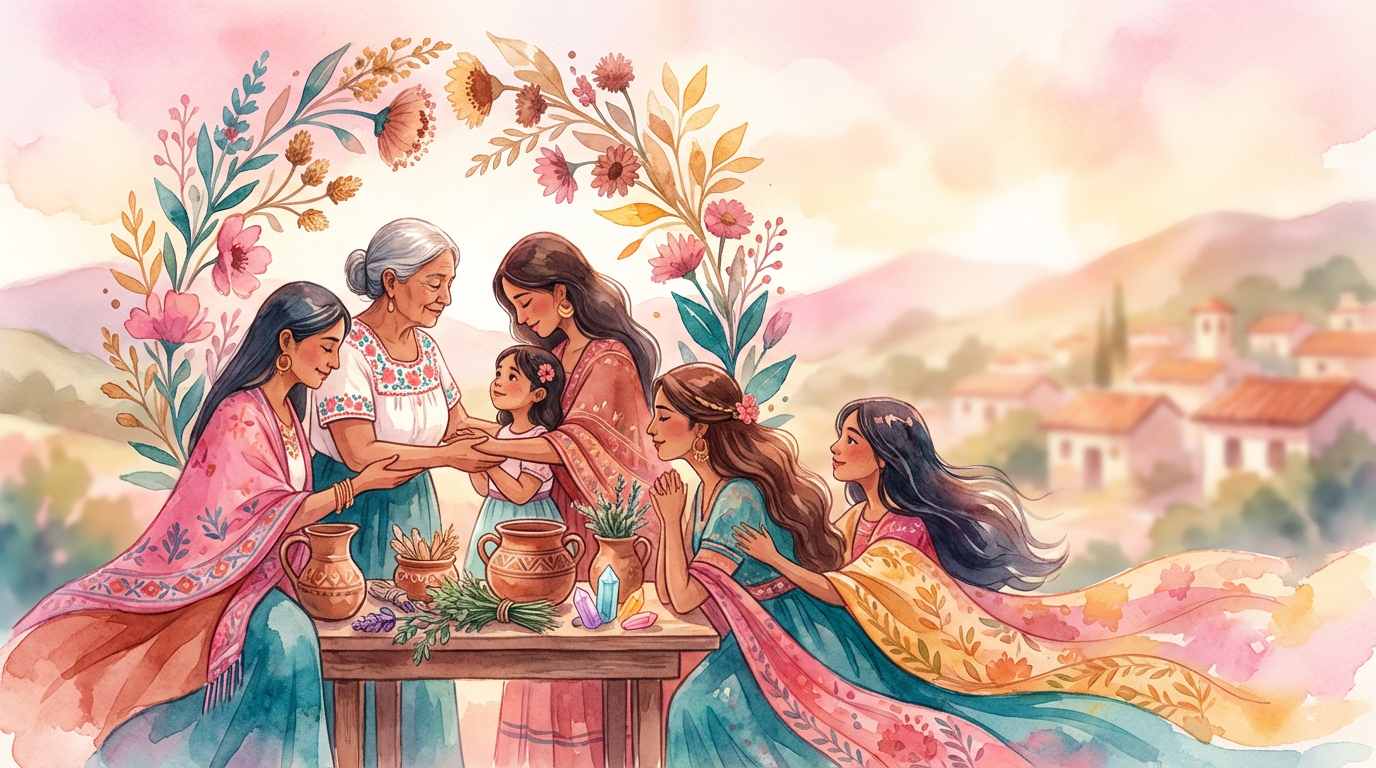
Generational wisdom is the very lifeblood of Curanderismo, serving as a powerful conduit for knowledge, practices, and cultural identity. For women, this connection to ancestral healing is particularly potent, often passed down from grandmothers (abuelas), mothers, and aunts, making health a communal and intergenerational endeavor.
The Transmission of Knowledge and Practices
Unlike formal medical education, the wisdom of Curanderismo is primarily transmitted through oral traditions, observation, and direct apprenticeship within families and communities. Young women learn about medicinal herbs, traditional remedies (remedios caseros), spiritual rituals, and the art of empathetic listening from elder female relatives. This process ensures that knowledge of specific plants, their uses, and the nuances of healing practices are preserved and adapted across generations.
For example, an abuela might teach her granddaughter how to make a specific herbal tea for menstrual cramps, how to perform a limpia to remove susto (fright/shock), or how to prepare nourishing foods for a new mother. This hands-on learning fosters a deep understanding of the remedies and their application within a cultural context, reinforcing family bonds and cultural identity.
Family Support Systems and Collective Healing
The emphasis on family support systems is a cornerstone of Curanderismo. Healing is rarely an individual pursuit; rather, the family and community play an integral role in the healing process. When a woman seeks care from a curandera, her family often participates in the rituals, prepares the remedies, and provides emotional and practical support. This collective approach reinforces the idea that an individual's well-being is intertwined with the health of her entire social fabric.
This communal aspect is particularly beneficial for women, who often bear significant emotional and practical burdens. The support of family, guided by generational wisdom, can alleviate stress, foster a sense of belonging, and provide a powerful network of care during challenging times, such as illness, fertility struggles, or postpartum recovery. It reinforces the notion that women are not alone in their health journeys, but are supported by a rich tapestry of ancestral knowledge and loving community.
How Does Curanderismo Address Emotional and Spiritual Well-being?
Curanderismo's holistic framework makes it exceptionally well-suited to address the emotional and spiritual dimensions of women's health, recognizing that these aspects are inseparable from physical ailments. In a world that often compartmentalizes health, Curanderismo offers an integrated approach that can be profoundly healing.
Healing Emotional Imbalances (Susto, Mal de Ojo, Empacho)
Many emotional and spiritual conditions in Curanderismo have specific names and traditional treatments. These conditions often manifest with physical symptoms but are understood to have underlying emotional or spiritual causes:
- •Susto (Fright/Shock): This condition, often triggered by a traumatic event or sudden scare, can manifest as anxiety, insomnia, depression, or chronic fatigue. A limpia de susto (cleansing for fright) using herbs, eggs, or sacred smoke aims to call back the spirit that is believed to have left the body due to the shock.
- •Mal de Ojo (Evil Eye): Believed to be caused by intense envy or admiration, mal de ojo can affect infants and adults, leading to unexplained illness, crying, or bad luck. A curandera might use an egg or prayer to absorb and remove the negative energy.
- •Empacho (Indigestion/Blockage): While often manifesting as physical indigestion, empacho can also have emotional roots, stemming from emotional blockages or unprocessed feelings. Sobadas (massage) and specific herbal remedies are used to release these blockages.
These conditions, while not recognized by Western medicine, provide a cultural framework for understanding distress and offer culturally relevant pathways to healing that can be highly effective for individuals who resonate with these beliefs. The ritualistic nature of the healing process often provides a sense of control and catharsis.
Cultivating Spiritual Harmony and Resilience
Beyond addressing specific ailments, Curanderismo aims to cultivate overall spiritual harmony and resilience. For women navigating the complexities of modern life—career pressures, family responsibilities, and societal expectations—this spiritual grounding can be invaluable.
- •Prayer and Rituals: Daily prayers, specific novenas, and offerings are often recommended to connect with divine forces, seek guidance, and express gratitude. These practices foster a sense of peace and purpose.
- •Connection to Nature: Many Curanderismo practices emphasize a deep reverence for nature and its healing powers. Using herbs, bathing in natural waters, or spending time in sacred natural spaces helps women reconnect with the earth's energy, promoting balance and rejuvenation.
- •Guidance and Mentorship: The curandera often acts as a spiritual guide, offering counsel, interpreting dreams, and providing wisdom to help women navigate life's challenges, make difficult decisions, and find their spiritual path. This mentorship fosters inner strength and resilience, empowering women to face adversity with a greater sense of self and purpose.
How Can Modern Women Integrate Curanderismo into Their Lives?
For modern women, particularly those balancing career, family, and personal aspirations, integrating Curanderismo into their wellness routines can offer a rich, culturally resonant layer of support. It's not about choosing one system over another, but rather about finding harmonious integration that respects both traditional wisdom and contemporary medical science.
Seeking Reputable Curanderas and Practitioners
The first step is often to identify reputable curanderas or practitioners within one's community or through trusted family networks. It's important to approach this with discernment, seeking individuals who are genuinely committed to healing and whose practices align with your values. Look for:
- •Community References: Ask trusted family members, elders, or community leaders for recommendations.
- •Ethical Practices: A reputable curandera will emphasize holistic well-being, respect client autonomy, and often work collaboratively with other health providers if necessary.
- •Cultural Sensitivity: Ensure the practitioner understands and respects the cultural nuances of your background.
Remember that Curanderismo is diverse, and practices can vary. Open communication with the curandera about your health goals and concerns is key.
Complementing Conventional Medicine with Traditional Practices
One of the most powerful ways to integrate Curanderismo is to view it as a complementary healing system. It can fill gaps that conventional medicine might not address, particularly in the emotional, spiritual, and cultural realms.
- •Stress Reduction: Practices like limpias, herbal teas for relaxation, and spiritual counseling can significantly reduce stress and anxiety, which are often exacerbated by demanding modern lifestyles. This can positively impact physical health, including reproductive health.
- •Emotional Processing: For women dealing with grief, trauma, or the emotional toll of fertility treatments, the empathetic and ritualistic healing offered by a curandera can provide profound emotional release and a sense of closure that Western therapy might not always achieve in the same culturally specific way.
- •Support for Life Transitions: Curanderismo offers culturally tailored support for major life events—marriage, pregnancy, childbirth, menopause, and loss—helping women navigate these transitions with greater ease and spiritual grounding.
- •Herbal Support: Many traditional herbs can support general well-being, boost immunity, or aid in recovery, often with fewer side effects than some pharmaceutical options, though it's crucial to inform your medical doctor about any herbal remedies you are taking to avoid potential interactions.
By embracing both the scientific rigor of modern medicine and the profound wisdom of ancestral healing, women can forge a comprehensive wellness path that honors their heritage, addresses their unique needs, and promotes a truly holistic state of health.
Key Takeaways
- •Curanderismo is a holistic Latin American healing system integrating indigenous, European, and spiritual practices.
- •It offers culturally resonant care for women's reproductive health, fertility, pregnancy, and postpartum recovery.
- •Generational wisdom and strong family support are central to the transmission and practice of Curanderismo.
- •Emotional and spiritual well-being are key components, addressing conditions like susto and fostering resilience.
- •Modern women can integrate Curanderismo as a complementary system, seeking reputable practitioners and open communication with their medical doctors.
Frequently Asked Questions
Q1: Is Curanderismo a religion?
A1: While Curanderismo is deeply spiritual and often incorporates Catholic elements, it is generally considered a folk healing system rather than a formal religion. It can be practiced by individuals of various faiths.
Q2: Can Curanderismo replace modern medical treatment?
A2: Curanderismo is best viewed as a complementary healing system. Reputable curanderas often encourage clients to also seek care from medical doctors, especially for serious conditions. It aims to support overall well-being and address aspects of health that conventional medicine may overlook.
Q3: How do I find a trustworthy curandera?
A3: The best way to find a trustworthy curandera is through word-of-mouth recommendations from trusted family members, friends, or community elders. Look for practitioners with a good reputation, ethical practices, and a deep understanding of cultural nuances.
Q4: What is a limpia and what does it do?
A4: A limpia (cleansing) is a spiritual ritual used to remove negative energies, emotional blockages, or spiritual imbalances. It often involves the use of herbs, eggs, holy water, or smoke, performed by a curandera to restore spiritual and emotional equilibrium.
Q5: Are the herbs used in Curanderismo safe?
A5: Many herbs used in Curanderismo have a long history of traditional use and can be beneficial. However, like any medicinal substance, they can have effects and potential interactions. It is crucial to inform your medical doctor about any herbal remedies you are taking, especially if you are pregnant, breastfeeding, or on other medications.
Q6: How does susto affect women's health?
A6: Susto, a traditional illness believed to be caused by fright or shock, can manifest in women as anxiety, chronic fatigue, depression, or even reproductive issues. Curanderismo addresses susto through specific rituals aimed at retrieving the lost spirit and restoring balance.
Q7: Can Curanderismo help with stress management for busy women?
A7: Absolutely. Curanderismo's holistic approach, including spiritual cleansings, herbal remedies for relaxation, and empathetic counseling, can be very effective in managing stress, anxiety, and the emotional demands faced by women balancing multiple responsibilities, fostering inner calm and resilience.
Start Your Wellness Journey Today
Ready to track your cycle, fertility, pregnancy, or menopause journey? Download PERIODiQ - your iQ-powered wellness companion designed for every stage of your health journey.
Get PERIODiQ Free: https://periodiq.app
Your Wellness Journey Starts Here
Download PERIODiQ
Scan the QR code or tap the link to get started with your personalized health tracking.
periodiq.app • iOS & Android
Cite this article
PERIODiQ Editorial Team (2026). "Curanderismo: Traditional Latin Healing for Women's Health." PERIODiQ. https://periodiq.app/library/curanderismo-traditional-latin-healing-for-women-s-health
"Curanderismo: Traditional Latin Healing for Women's Health." PERIODiQ, 2026, https://periodiq.app/library/curanderismo-traditional-latin-healing-for-women-s-health.
Send this to a friend — PERIODiQ is free for them too. No card. No paywall.
Loved this? Save articles, track your cycle, and unlock meditations — free forever.
Disclaimer: PERIODiQ™ offers general wellness information only. It does not provide medical advice, diagnosis, or treatment. Always speak with a licensed health professional about your health.