
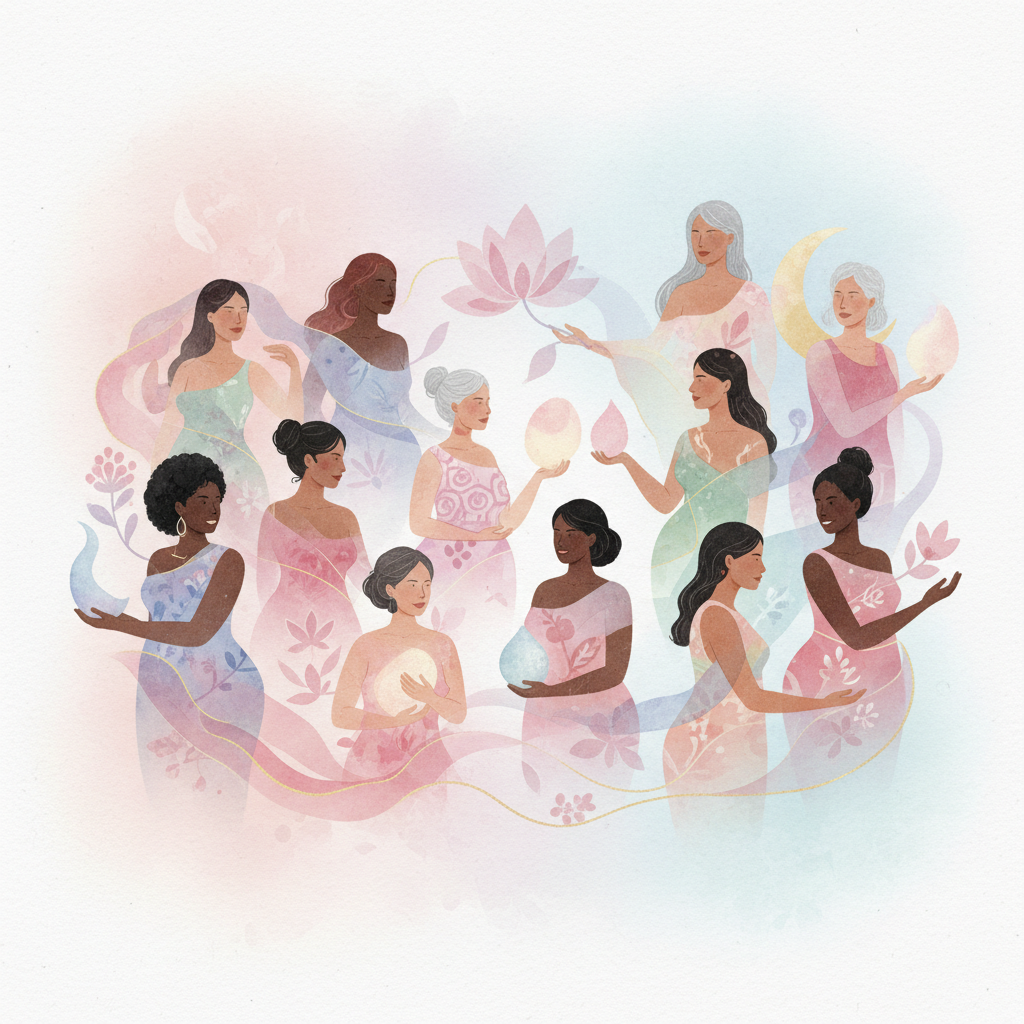
Cultural Perspectives on Menstruation Around the World
Exploring diverse global traditions, taboos, and celebrations around menstruation, and how cultural understanding can break stigma.
Listen to this article
~15 min listen
Cultural Perspectives on Menstruation Around the World
Menstruation is a universal biological experience, yet cultures around the world have developed vastly different traditions, rituals, and attitudes toward it. Understanding these diverse perspectives helps break down stigma and celebrate the richness of global menstrual practices.
Ancient and Traditional Practices
Indigenous Traditions
North American Indigenous Peoples:
- •Many tribes viewed menstruation as a time of spiritual power
- •Moon lodges provided communal space for women during menstruation
- •First menstruation celebrated with ceremony and community gatherings
- •Seen as connection to lunar cycles and earth's rhythms
African Traditions:
- •Coming-of-age ceremonies marking first menstruation
- •Elder women teaching younger generations about womanhood
- •Community celebration rather than shame or hiding
- •Recognition of transition into reproductive years
South Asian Practices:
- •Complex mix of reverence and restriction
- •Some communities celebrate menarche with festivals
- •Others impose isolation practices rooted in ritual purity concepts
- •Wide variation across regions, religions, and communities
Religious and Spiritual Perspectives
Hinduism
Traditional Beliefs:
- •Menstruating women considered to be in a powerful energetic state
- •Temporary restrictions from temple worship in some communities
- •Rationale evolved from protecting women's spiritual energy
- •Modern movements challenging restrictive interpretations
Contemporary Shifts:
- •Temple entry movements led by activists
- •Young Hindus questioning traditional taboos
- •Reinterpretation of ancient texts
- •Balance between tradition and empowerment
Judaism
Niddah Practices:
- •Traditional laws around menstruation and ritual purity
- •Mikvah (ritual bath) after menstruation
- •Range of observance from Orthodox to Reform
- •Modern feminist reinterpretations of ancient laws
Islam
Quranic Guidance:
- •Menstruation seen as natural, not shameful
- •Exemption from fasting and prayer during menstruation as mercy
- •Emphasis on cleanliness and hygiene
- •Cultural practices vary widely across Muslim communities
Christianity
Historical Views:
- •Early church influenced by purity laws from Judaism
- •Medieval period associated menstruation with sin
- •Modern Christianity generally views menstruation as natural
- •Varies significantly by denomination and region
Regional Cultural Practices
East Asia
Japan:
- •Historical mixed attitudes toward menstruation
- •Modern open discussion and product innovation
- •Menstrual leave policies in some workplaces
- •Balance between discretion and normalization
China:
- •Traditional Chinese Medicine views on menstrual health
- •Cultural emphasis on rest and specific foods during menstruation
- •Modernization bringing more open attitudes
- •Urban-rural divide in menstrual product access
Latin America
Mexico and Central America:
- •Indigenous traditions blending with Catholic influences
- •Quinceañera celebrations marking transition to womanhood
- •Growing menstrual equity movements
- •Community-based education initiatives
South America:
- •Amazon indigenous practices honoring menstruation
- •Catholic influences creating shame in some communities
- •Youth-led movements challenging taboos
- •Regional variations in access to products and education
Middle East
Diverse Practices:
- •Varies significantly by country, religion, and urban/rural divide
- •Some communities celebrate first menstruation
- •Others maintain strict privacy around menstruation
- •Growing activism for menstrual equity
- •Challenging cultural taboos through education
Menstrual Taboos and Restrictions
Common Global Taboos
Food Restrictions:
- •Avoiding certain foods believed to affect menstruation
- •India: no pickles, sour foods in some communities
- •Some cultures: no cold water or ice
- •Scientific basis questioned by modern medicine
Activity Restrictions:
- •Prohibitions on cooking, touching food
- •Exclusion from religious spaces
- •Avoiding swimming or bathing
- •Separation from family members
The Impact of Taboos:
- •Educational disadvantage for young girls
- •Economic impact on women's work
- •Psychological effects of shame and isolation
- •Physical health risks from poor menstrual hygiene
Harmful Practices
Chhaupadi (Nepal):
- •Banishment of menstruating women to huts
- •Exposure to cold, wild animals, assault
- •Despite 2005 ban, practice continues in some areas
- •Activism and education gradually reducing practice
Modern Implications:
- •School absenteeism due to lack of facilities
- •Workplace discrimination
- •Limited access to sanitary products
- •Mental health impacts of stigma
Celebrations and Empowerment
Menarche Celebrations
Positive Coming-of-Age Rituals:
- •Sri Lankan Tamil tradition of celebrating first period
- •Apache Sunrise Ceremony
- •Japanese "celebration of adulthood"
- •Modern "period parties" in some Western families
Creating New Traditions:
- •Mother-daughter spa days
- •Special jewelry or gifts
- •Educational celebrations with peers
- •Empowerment-focused recognition
Global Menstrual Activism
Breaking Taboos:
- •#HappyToBleed campaign (India)
- •Pad Man movement (India)
- •Period poverty activism worldwide
- •Social media campaigns normalizing menstruation
Policy Changes:
- •Scotland: free menstrual products in schools
- •New Zealand: free products in schools
- •Several countries eliminating "tampon tax"
- •Menstrual leave policies (South Korea, Japan, Indonesia)
Building Cultural Understanding
Respecting Diversity
Key Principles:
- •Recognize all experiences are valid within cultural context
- •Distinguish between harmful practices and cultural difference
- •Support women's agency within their own cultures
- •Avoid Western-centric judgments
Productive Dialogue:
- •Listen to women from different cultures
- •Acknowledge historical and social contexts
- •Support grassroots movements for change
- •Amplify voices of affected women
Finding Common Ground
Universal Needs:
- •Access to affordable menstrual products
- •Adequate sanitation facilities
- •Comprehensive menstrual education
- •Freedom from stigma and discrimination
- •Safe spaces for menstruating individuals
Education and Change
Breaking the Silence
Effective Approaches:
- •Include men and boys in menstrual education
- •Use culturally appropriate language and materials
- •Engage community and religious leaders
- •Provide accurate health information
- •Challenge myths with evidence
Youth Leadership:
- •Young people questioning inherited taboos
- •Social media as tool for education
- •Peer education programs
- •Student-led activism in schools
Supporting Global Initiatives
Organizations Working Worldwide:
- •Days for Girls International
- •The Cup Foundation
- •WASH United
- •Bloody Good Period
- •Period poverty initiatives
Creating Inclusive Spaces
For Diverse Communities
Workplaces:
- •Menstrual leave policies where culturally appropriate
- •Private spaces for managing menstruation
- •Free products in restrooms
- •Inclusive language (not all who menstruate identify as women)
Schools:
- •Comprehensive, age-appropriate education
- •Free menstrual products
- •Gender-neutral bathrooms with disposal
- •Teacher training on cultural sensitivity
Moving Forward Together
Vision for the Future
Goals:
- •End period poverty globally
- •Eliminate harmful taboos and restrictions
- •Celebrate menstruation as normal and healthy
- •Ensure access to products and healthcare
- •Include menstruation in human rights framework
Your Role
How to Contribute:
- •Educate yourself on diverse perspectives
- •Support global menstrual equity organizations
- •Challenge stigma in your own community
- •Amplify marginalized voices
- •Advocate for policy changes
Key Takeaways
Remember:
- •Menstrual practices vary widely across cultures
- •Many traditions honor rather than shame menstruation
- •Harmful taboos require culturally sensitive intervention
- •Global activism is creating positive change
- •Understanding diversity strengthens the movement
Additional Resources
Organizations:
- •Days for Girls: www.daysforgirls.org
- •WASH United: www.wash-united.org
- •Bloody Good Period: www.bloodygoodperiod.com
- •The Cup Foundation
Documentary:
- •"Period. End of Sentence" (2018)
- •"The Moon Inside You" (2009)
PERIODiQ offers general wellness information only. It does not provide medical advice, diagnosis, or treatment. Always speak with a licensed health professional about your health.
Cite this article
PERIODiQ Editorial Team (2025). "Cultural Perspectives on Menstruation Around the World." PERIODiQ. https://periodiq.app/library/cultural-perspectives-menstruation-worldwide
"Cultural Perspectives on Menstruation Around the World." PERIODiQ, 2025, https://periodiq.app/library/cultural-perspectives-menstruation-worldwide.
Send this to a friend — PERIODiQ is free for them too. No card. No paywall.
Loved this? Save articles, track your cycle, and unlock meditations — free forever.
Disclaimer: PERIODiQ™ offers general wellness information only. It does not provide medical advice, diagnosis, or treatment. Always speak with a licensed health professional about your health.