
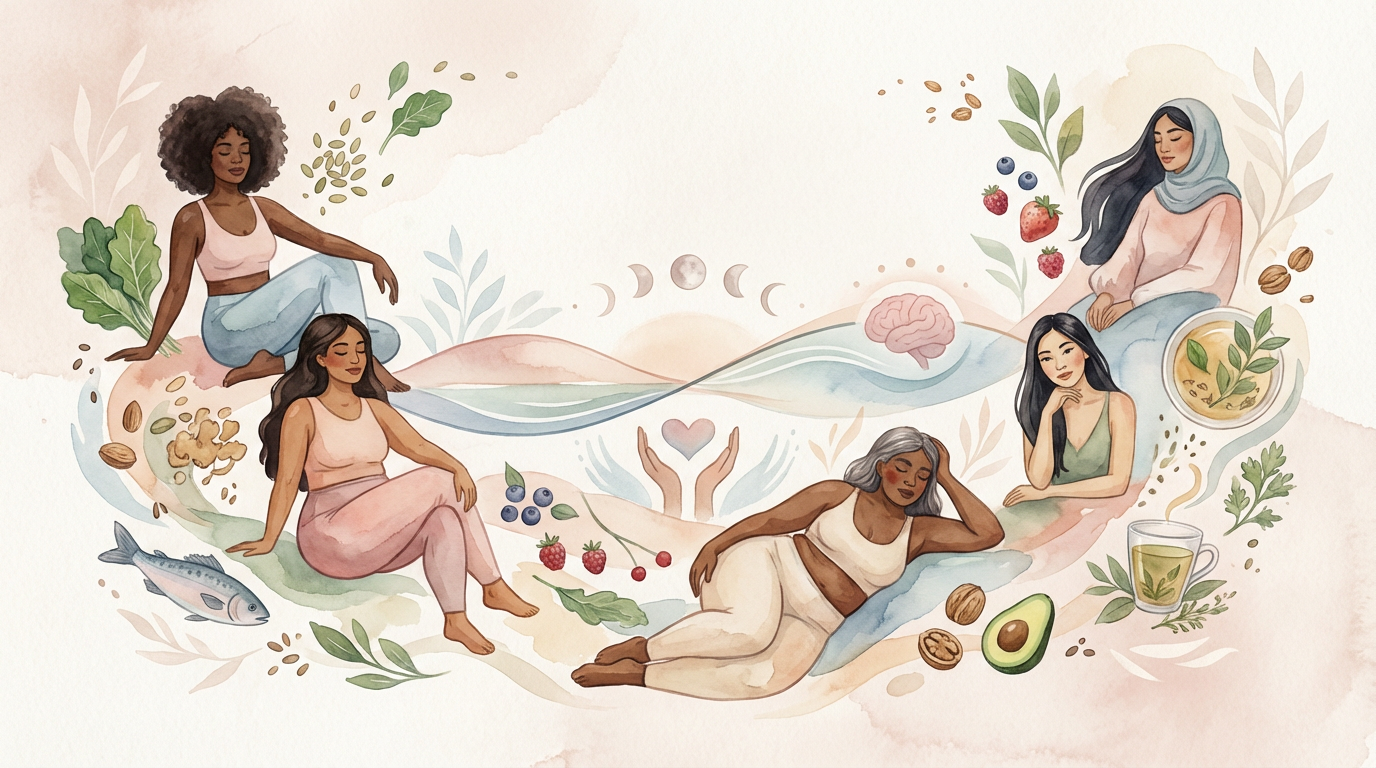
Cortisol Conscious Luteal Nutrition: Eating for Stress Resilience
Cortisol-conscious luteal nutrition focuses on specific dietary choices during the 10-14 days after ovulation to support progesterone production, reduce stress, and mitigate common PMS symptoms. By prioritizing anti-inflammatory foods and stable blood sugar, women can enhance their body's natural stress resilience and promote overall well-being. This approach helps to counteract the physiological stress response often exacerbated by hormonal shifts in the luteal phase.
Listen to this article
~12 min listen
TL;DR Summary
- •Targeted Luteal Support: Cortisol-conscious nutrition specifically addresses the body's increased stress response and hormonal shifts during the luteal phase (post-ovulation).
- •Stress & Hormone Balance: Emphasizes foods that support progesterone production, stabilize blood sugar, and reduce inflammation to lower cortisol and alleviate PMS.
- •Gentle & Sustainable: Focuses on a soft living approach, integrating nourishing, whole foods to build resilience against stress and burnout without restrictive diets.
Introduction
Cortisol-conscious luteal nutrition involves strategically adjusting your diet during the 10-14 days after ovulation to naturally support hormonal balance, reduce stress, and enhance overall well-being. This specialized approach acknowledges that the luteal phase, characterized by rising progesterone and a potential dip in estrogen, can make the body more sensitive to stress and contribute to symptoms like fatigue, irritability, and cravings, often exacerbated by elevated cortisol levels. By making informed food choices, women can actively mitigate these challenges, fostering greater stress resilience and a smoother menstrual cycle experience.
What is the Luteal Phase and Why Does it Matter for Stress?
The luteal phase is the second half of your menstrual cycle, beginning after ovulation and ending with the start of your period. During this crucial time, the corpus luteum, formed from the ruptured follicle, produces progesterone, a hormone vital for maintaining a potential pregnancy and balancing estrogen. Progesterone has calming effects on the nervous system, but when stress is high, the body may prioritize cortisol production over progesterone (the "pregnenolone steal"), leading to a relative progesterone deficiency. This hormonal imbalance can amplify stress symptoms, making you more susceptible to anxiety, poor sleep, and increased inflammation. Optimizing luteal phase nutrition becomes paramount to support healthy progesterone levels and buffer the impact of stress.
How Does Cortisol Impact Your Luteal Phase?
Cortisol, our primary stress hormone, plays a critical role in regulating metabolism, immune function, and the fight-or-flight response. While essential for survival, chronic or elevated cortisol can negatively impact the luteal phase in several ways. High cortisol can suppress ovulation, disrupt the delicate balance between estrogen and progesterone, and contribute to inflammation. Furthermore, it can exacerbate common premenstrual syndrome (PMS) symptoms like mood swings, bloating, and fatigue. When cortisol is consistently high, the body may struggle to produce adequate progesterone, creating a feedback loop where stress leads to lower progesterone, which in turn makes the body more vulnerable to stress. This often leads to stress eating solutions being sought out, which can further destabilize blood sugar.
What Are the Principles of Cortisol-Conscious Luteal Nutrition?
Cortisol-conscious luteal nutrition centers on stabilizing blood sugar, reducing inflammation, supporting adrenal function, and providing precursors for hormone production. This gentle nutrition approach focuses on consistent, nourishing meals that prevent drastic spikes and drops in blood glucose, which can trigger cortisol release. It also emphasizes nutrient-dense foods rich in B vitamins, magnesium, zinc, and healthy fats, all crucial for hormone synthesis and stress response modulation. The goal is to create a stable internal environment that allows the body to produce progesterone optimally and manage stress more effectively, embodying a soft living philosophy through food.
What Foods Support Progesterone and Reduce Cortisol?
To support healthy progesterone levels and promote cortisol reduction during the luteal phase, focus on incorporating a variety of whole, unprocessed foods:
- •Complex Carbohydrates: Whole grains (quinoa, oats, brown rice), root vegetables (sweet potatoes, squash), and legumes provide sustained energy and help stabilize blood sugar, preventing cortisol spikes. These are crucial for satisfying cravings and preventing stress eating solutions that rely on refined sugars.
- •Healthy Fats: Avocados, nuts (almonds, walnuts), seeds (flax, chia, pumpkin), and olive oil are essential for hormone production and reducing inflammation. Omega-3 fatty acids, particularly from fatty fish like salmon, mackerel, and sardines, are potent anti-inflammatory foods that also support brain health and mood.
- •Lean Proteins: Chicken, turkey, fish, eggs, and plant-based options like lentils and beans provide amino acids necessary for neurotransmitter production (like serotonin, which can improve mood) and blood sugar regulation.
- •Magnesium-Rich Foods: Dark leafy greens (spinach, kale), nuts, seeds, and dark chocolate help relax the nervous system and can reduce anxiety and improve sleep, directly aiding in cortisol reduction. Magnesium is a key mineral for hundreds of bodily functions, including stress response.
- •B Vitamins: Found in whole grains, eggs, meat, and leafy greens, B vitamins are crucial cofactors in energy production and stress hormone metabolism. Vitamin B6, in particular, is known to support progesterone support and alleviate PMS symptoms.
- •Antioxidant-Rich Fruits & Vegetables: Berries, colorful bell peppers, citrus fruits, and cruciferous vegetables (broccoli, cauliflower) provide vitamins, minerals, and antioxidants that combat oxidative stress and inflammation, further acting as anti-inflammatory foods.
- •Hydration: Adequate water intake is always important, but particularly when managing stress. Dehydration can mimic stress responses and elevate cortisol. Herbal teas like chamomile or passionflower can also be calming.
How Can You Implement Cortisol-Conscious Luteal Nutrition?
Implementing this nutritional approach doesn't require drastic overhauls but rather mindful adjustments:
- •Prioritize Protein & Fat at Every Meal: This helps stabilize blood sugar and keeps you feeling full, reducing cravings. Aim for a palm-sized portion of protein and a thumb-sized portion of healthy fats.
- •Choose Complex Carbs: Swap refined grains for whole grains and plenty of fiber-rich vegetables, especially in the week leading up to your period.
- •Snack Smart: If you need snacks, opt for options like a handful of almonds, an apple with nut butter, or Greek yogurt, rather than sugary treats that can spike blood sugar and exacerbate stress eating solutions.
- •Stay Hydrated: Drink plenty of water throughout the day. Consider adding electrolytes if you're very active or experiencing a lot of fluid retention.
- •Reduce Caffeine & Alcohol: Both can disrupt sleep and elevate cortisol, especially when consumed in excess during the luteal phase.
- •Incorporate Anti-Inflammatory Spices: Turmeric, ginger, and cinnamon can be easily added to meals and offer significant anti-inflammatory benefits.
- •Listen to Your Body: This is a key aspect of soft living. Pay attention to what foods make you feel best and adjust accordingly. Cravings can sometimes indicate a nutrient deficiency, so try to address them with nutrient-dense options first.
Benefits by Life Stage
Menstrual Health (Periods, Cramps, PMS)
For those experiencing significant PMS symptoms, cortisol reduction strategies through luteal nutrition can be transformative. By stabilizing blood sugar and providing progesterone support, this approach helps reduce mood swings, bloating, breast tenderness, and irritability. The emphasis on anti-inflammatory foods like omega-3s can also directly alleviate menstrual cramps (dysmenorrhea) by modulating prostaglandin production. Consistent healthy eating during this phase can lead to lighter, less painful periods and a significant reduction in overall PMS severity, moving away from relying on quick stress eating solutions.
Fertility Journey (TTC, Ovulation, Conception)
Optimizing luteal phase nutrition is critical for those trying to conceive (TTC). A healthy luteal phase, characterized by adequate progesterone, is essential for uterine lining development and embryo implantation. High cortisol can impair ovulation and compromise the luteal phase's quality. By focusing on foods that support progesterone and minimize stress, individuals can enhance their chances of successful conception. This dietary approach helps create a more nurturing internal environment for potential pregnancy, ensuring the body isn't primarily in a stress response. It's a key component of foundational fertility health, aligning with a soft living approach to conception.
Pregnancy (Trimesters, Prenatal Care)
While the luteal phase transitions into early pregnancy, the principles of cortisol-conscious nutrition remain highly relevant. Stable blood sugar, adequate nutrient intake, and stress reduction are paramount throughout pregnancy. Continuing to prioritize anti-inflammatory foods, healthy fats, and lean proteins supports fetal development and maternal well-being. Managing cortisol levels is crucial for reducing the risk of gestational complications and promoting a calm environment for both mother and baby. This foundation helps manage the unique stresses of pregnancy without resorting to unhealthy stress eating solutions.
Menopause (Perimenopause, Hormonal Changes)
During perimenopause and menopause, hormonal fluctuations can intensify stress responses and contribute to symptoms like hot flashes, sleep disturbances, and mood changes. While progesterone levels naturally decline, supporting the adrenal glands and managing cortisol becomes even more important. Cortisol reduction through diet helps buffer these changes, providing stability during a time of significant hormonal shifts. The emphasis on anti-inflammatory foods and blood sugar regulation can also help manage weight gain and reduce the risk of chronic diseases often associated with menopause, aligning with a holistic soft living approach to this life stage.
Key Takeaways
- •The luteal phase is a critical time for hormone balance and stress management, requiring specific nutritional support.
- •High cortisol can disrupt progesterone production and worsen PMS symptoms, making cortisol reduction a priority.
- •Luteal phase nutrition should focus on complex carbs, healthy fats, lean proteins, and magnesium-rich foods to stabilize blood sugar and support hormones.
- •Anti-inflammatory foods and adequate hydration are essential for reducing overall bodily stress.
- •Adopting a soft living approach to diet helps build resilience against stress and burnout, preventing reliance on stress eating solutions.
- •This dietary strategy benefits menstrual health, fertility, pregnancy, and menopause by promoting hormonal harmony.
Frequently Asked Questions
Q: What is the main goal of cortisol-conscious luteal nutrition?
Cortisol-conscious luteal nutrition aims to support the body's natural progesterone production and reduce the impact of stress hormones like cortisol during the luteal phase of the menstrual cycle. By stabilizing blood sugar and providing key nutrients, it helps alleviate PMS symptoms and enhance overall well-being.
Q: How does stress eating affect the luteal phase?
Stress eating, particularly cravings for sugary or processed foods, can lead to rapid blood sugar spikes and crashes, triggering further cortisol release. This exacerbates hormonal imbalances during the luteal phase, potentially worsening PMS symptoms and making it harder for the body to produce adequate progesterone.
Q: Can this dietary approach help with PMS cramps?
Yes, by focusing on anti-inflammatory foods such as omega-3 fatty acids from fish, seeds, and nuts, and incorporating herbs like ginger and turmeric, this dietary approach can significantly reduce the inflammation that contributes to menstrual cramps (dysmenorrhea).
Q: Is this a restrictive diet?
No, cortisol-conscious luteal nutrition is not a restrictive diet. It's a gentle nutrition approach focused on incorporating nutrient-dense, whole foods to support your body's natural rhythms. It encourages mindful eating and listening to your body's needs, embodying a soft living philosophy rather than strict rules.
Q: How quickly can I expect to see results from adjusting my luteal phase nutrition?
Many women report noticing improvements in energy, mood, and PMS symptoms within one to three cycles of consistently applying cortisol-conscious luteal nutrition. Consistency is key, and individual results may vary based on overall health and lifestyle factors.
Q: What role do healthy fats play in progesterone support?
Healthy fats, particularly cholesterol (a precursor to all steroid hormones), are crucial for the synthesis of progesterone. Incorporating sources like avocados, olive oil, nuts, and seeds provides the building blocks your body needs for optimal hormone production and overall progesterone support.
Q: How does hydration contribute to stress resilience during the luteal phase?
Adequate hydration is vital for cellular function and helps the body manage stress more effectively. Dehydration can put additional strain on the adrenal glands, potentially leading to increased cortisol levels. Staying well-hydrated supports detoxification pathways and maintains proper electrolyte balance, which is crucial for nerve function and stress response.
Start Your Wellness Journey Today
Ready to track your cycle, fertility, pregnancy, or menopause journey? Download PERIODiQ - your iQ-powered wellness companion designed for every stage of your health journey.
Get PERIODiQ Free: https://periodiq.app
Your Wellness Journey Starts Here
Download PERIODiQ
Scan the QR code or tap the link to get started with your personalized health tracking.
periodiq.app • iOS & Android
Cite this article
PERIODiQ Editorial (2025). "Cortisol Conscious Luteal Nutrition: Eating for Stress Resilience." PERIODiQ. https://periodiq.app/library/cortisol-conscious-luteal-nutrition-eating-for-stress-resilience
"Cortisol Conscious Luteal Nutrition: Eating for Stress Resilience." PERIODiQ, 2025, https://periodiq.app/library/cortisol-conscious-luteal-nutrition-eating-for-stress-resilience.
Send this to a friend — PERIODiQ is free for them too. No card. No paywall.
Loved this? Save articles, track your cycle, and unlock meditations — free forever.
Disclaimer: PERIODiQ™ offers general wellness information only. It does not provide medical advice, diagnosis, or treatment. Always speak with a licensed health professional about your health.