Citrus and Iron Absorption: Why Oranges Belong on Your Period Plate
Citrus fruits, rich in vitamin C, significantly enhance the absorption of non-heme iron from plant-based foods, making them crucial for women managing iron levels during menstruation. Pairing vitamin C with iron-rich meals can help combat iron deficiency and anemia, especially vital during monthly blood loss. Oranges, grapefruits, and other citrus varieties are powerful allies for menstrual health.
Listen to this article
~25 min listen
Click play to generate audio narration with a calming voice
TL;DR Summary
- •Vitamin C is a powerful iron absorption enhancer: It converts non-heme iron into a more absorbable form, significantly increasing its bioavailability.
- •Crucial for menstrual health: Women often experience iron loss during periods, making adequate iron absorption vital to prevent iron deficiency and anemia.
- •Pair citrus with iron-rich foods: Consuming oranges, grapefruits, or lemon juice alongside plant-based iron sources (like lentils or spinach) maximizes iron uptake.
Why Oranges Belong on Your Period Plate: Enhancing Iron Absorption with Citrus
Oranges and other citrus fruits are not just refreshing; they are powerful allies in optimizing iron absorption, especially crucial for women managing their iron levels during menstruation. The secret lies in their high vitamin C content, which plays a pivotal role in converting dietary iron into a form that the body can readily absorb, making citrus a vital component of a well-rounded diet focused on menstrual health.
Monthly blood loss during a woman's period naturally depletes iron stores, putting many at risk for iron deficiency and iron deficiency anemia. Symptoms like fatigue, weakness, pale skin, and shortness of breath can significantly impact daily life. While iron-rich foods are essential, how well the body utilizes that iron is just as important. This is where the synergistic relationship between citrus and iron absorption comes into play, transforming how we approach nutritional support during the menstrual cycle. By understanding this connection, women can make informed dietary choices to support their energy levels, overall well-being, and hormonal balance throughout their reproductive years.
What is Iron and Why is it Important for Women?
Iron is an essential mineral that plays a critical role in numerous bodily functions, most notably in the production of hemoglobin, a protein in red blood cells that carries oxygen from the lungs to all parts of the body. For women, iron's importance is amplified due to the physiological changes associated with the menstrual cycle, pregnancy, and childbirth.
Without sufficient iron, the body cannot produce enough healthy red blood cells, leading to a condition called iron deficiency anemia. This condition is particularly prevalent among women of reproductive age. During menstruation, women lose a significant amount of blood, and with it, iron. The average menstrual period results in the loss of 30-80 mL of blood, which equates to approximately 15-40 mg of iron. While this might seem small, over months and years, it can lead to a cumulative deficit if dietary intake and absorption are insufficient to replenish these losses. Symptoms of iron deficiency can range from mild fatigue and weakness to more severe manifestations like shortness of breath, dizziness, cold hands and feet, brittle nails, and even cognitive impairment. Addressing iron levels is therefore not just about avoiding anemia, but about maintaining optimal energy, cognitive function, and overall quality of life.
Iron also contributes to energy metabolism, immune function, and DNA synthesis. It is a component of myoglobin, a protein that carries and stores oxygen in muscle cells, vital for muscle function. For women, maintaining adequate iron stores is foundational for overall health, supporting everything from physical stamina to mental clarity, especially when facing the unique demands of the menstrual cycle and potential future pregnancies. Understanding the types of iron in food is equally important for effective dietary management.
How Does Vitamin C Enhance Iron Absorption?
Vitamin C, also known as ascorbic acid, is a water-soluble vitamin renowned for its antioxidant properties and its crucial role in immune function. However, one of its most significant contributions to human health, particularly for iron management, is its ability to dramatically enhance the absorption of non-heme iron. This process is complex but incredibly effective.
Dietary iron exists in two primary forms: heme iron and non-heme iron. Heme iron is found exclusively in animal products like red meat, poultry, and fish, and it is highly bioavailable, meaning the body absorbs it relatively easily (15-35%). Non-heme iron, on the other hand, is found in both plant-based foods (like lentils, spinach, beans, fortified cereals) and some animal products, but its absorption rate is much lower and highly variable (2-20%), and it can be inhibited by other dietary components such as phytates in whole grains and legumes, oxalates in spinach, and tannins in tea and coffee.
This is where vitamin C becomes a game-changer. When vitamin C is consumed alongside non-heme iron, it acts as a powerful reducing agent. In the acidic environment of the stomach, vitamin C converts ferric iron (Fe3+), the less absorbable form of non-heme iron, into ferrous iron (Fe2+). Ferrous iron is much more soluble and stable, making it significantly easier for the intestinal cells (enterocytes) to absorb. This conversion prevents the formation of insoluble iron compounds that would otherwise pass through the digestive system unabsorbed. Studies have shown that even a small amount of vitamin C can increase non-heme iron absorption several-fold. For instance, consuming 75 mg of vitamin C with an iron-rich meal can increase non-heme iron absorption by up to three to four times. This synergistic effect makes the combination of vitamin C and non-heme iron a cornerstone strategy for combating iron deficiency, especially relevant for those following vegetarian or vegan diets, or women with higher iron requirements due to menstruation.
What are the Best Citrus Sources of Vitamin C?
Citrus fruits are celebrated for their vibrant flavors and their exceptional vitamin C content. Incorporating a variety of these fruits into your diet is an enjoyable and effective way to boost your iron absorption. Each citrus fruit offers a slightly different nutritional profile and culinary versatility.
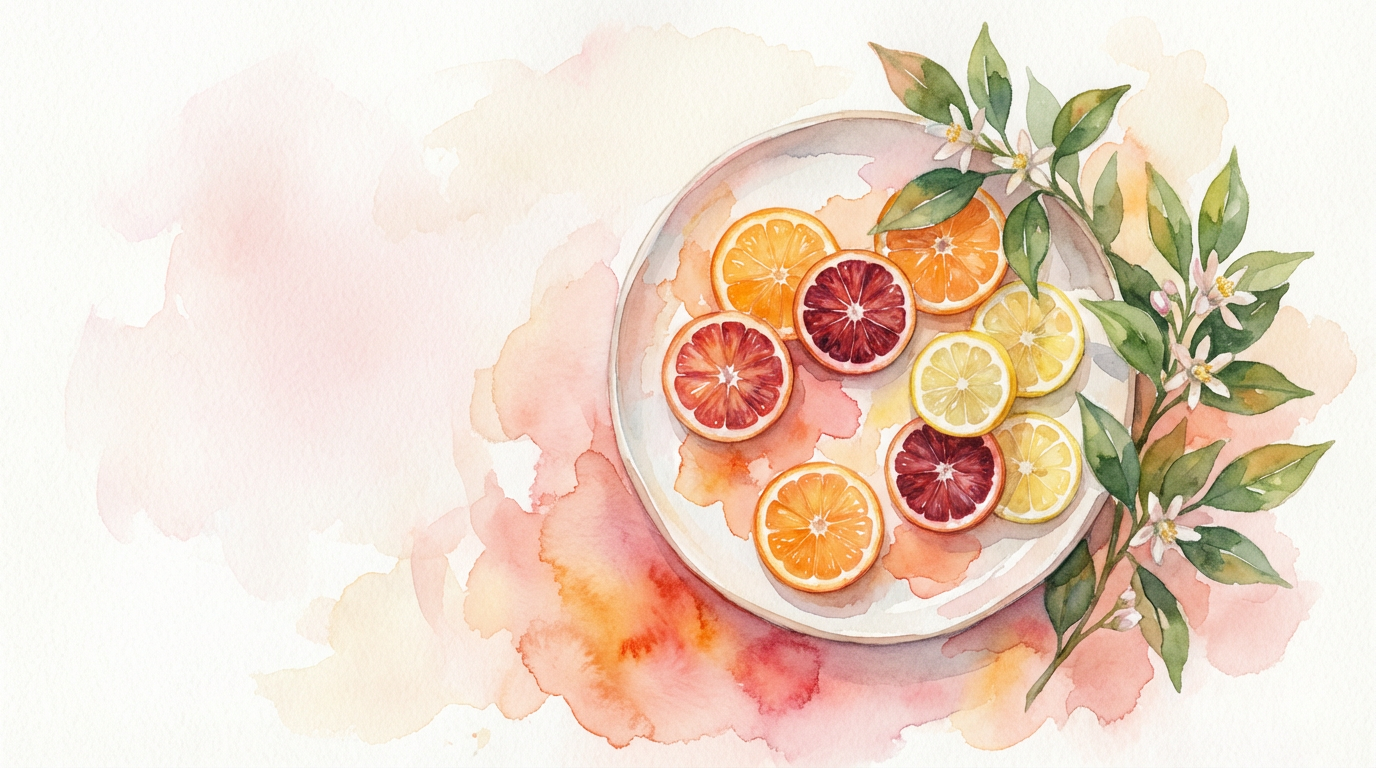
- •Oranges: Perhaps the most iconic source of vitamin C, a medium orange provides well over 100% of the daily recommended intake for adults. They are sweet, juicy, and perfect for snacking, juicing, or adding to salads. The convenience of an orange makes it an ideal companion for iron-rich meals.
- •Grapefruits: These tangy fruits, whether pink or white, are also excellent sources of vitamin C. Half a grapefruit can provide a significant portion of your daily requirement. They can be enjoyed on their own, added to breakfast, or incorporated into savory dishes. (Note: Grapefruit can interact with certain medications, so consult a healthcare provider if you are on medication).
- •Lemons and Limes: While typically not eaten whole, the juice of lemons and limes is incredibly potent. Just a squeeze of lemon or lime juice over a salad, a bowl of lentils, or a plate of spinach can provide enough vitamin C to significantly enhance iron absorption from those foods. They are also fantastic for flavoring water and marinades.
- •Tangerines and Clementines: These smaller, easy-to-peel citrus fruits are convenient and still pack a good vitamin C punch, making them great for on-the-go snacking or adding to lunchboxes.
- •Kiwis: Although botanically not a citrus fruit, kiwis are often grouped with them due to their similar tart flavor and exceptionally high vitamin C content. One kiwi can provide more than your daily vitamin C needs, making it another excellent choice for pairing with iron-rich foods.
Beyond just vitamin C, citrus fruits also contain other beneficial compounds like flavonoids, which act as antioxidants and may offer additional health benefits. The soluble fiber in citrus can also contribute to digestive health. The key is consistent inclusion of these fruits in your diet, particularly around meal times where iron-rich foods are consumed.
How to Strategically Pair Citrus with Iron-Rich Foods?
Maximizing iron absorption isn't just about eating iron-rich foods and vitamin C-rich foods separately; it's about consuming them together, strategically. This synergistic approach ensures that the vitamin C can act directly on the non-heme iron in your meal, boosting its bioavailability.
Here are practical ways to pair citrus with iron-rich foods:
- •Meals with Plant-Based Iron:
- •Lentil or Bean Dishes: Squeeze fresh lemon or lime juice over a bowl of lentil soup, black bean chili, or a chickpea curry. The acidity and vitamin C will work wonders. You can also dice oranges into a black bean and corn salad.
- •Spinach and Leafy Greens: Drizzle a lemon-tahini dressing over a spinach salad or wilted kale. The classic combination of spinach and citrus is not just delicious but nutritionally powerful.
- •Tofu and Tempeh: Marinate tofu or tempeh in a citrus-based sauce (orange, lime, or lemon) before cooking. This not only adds flavor but also primes the iron for better absorption.
- •Fortified Cereals: Enjoy your iron-fortified breakfast cereal with a side of orange slices or a glass of orange juice iron-rich foods. This simple addition can make a significant difference.
- •Meals with Animal-Based Iron (Heme Iron): While heme iron is absorbed more efficiently, vitamin C can still provide a modest boost and offers other health benefits. Squeeze lemon over grilled chicken or fish, or serve a citrus salsa with lean beef.
- •Snacks: Pair an orange or a handful of tangerines with a handful of iron-fortified nuts or seeds, or a small bowl of fortified oatmeal.
- •Beverages: Instead of reaching for coffee or tea (which contain tannins that inhibit iron absorption) with your meal, opt for a glass of water with lemon slices, or a small glass of fresh orange juice. This is a simple but effective swap that supports iron uptake.
Remember to avoid consuming iron-rich meals with substances that inhibit iron absorption, such as coffee, tea, and calcium-rich dairy products, as they can counteract the benefits. If you need to consume these, try to do so a few hours before or after your iron-rich meal. By making these small, intentional changes to your eating habits, you can significantly improve your body's ability to absorb iron and maintain optimal levels, particularly important for managing anemia menstruation challenges.
Benefits by Life Stage: Citrus and Iron Absorption for Women
The importance of optimizing iron absorption with citrus extends across various stages of a woman's life, each presenting unique physiological demands and iron requirements. Understanding these stage-specific benefits allows for targeted nutritional strategies.
Menstrual Health (Periods, Cramps, PMS)
During menstruation, women experience regular blood loss, which is the primary reason for higher iron requirements compared to men. This monthly depletion often leads to a higher prevalence of iron deficiency and anemia menstruation. Symptoms like extreme fatigue, low energy, brain fog, and irritability can be exacerbated by insufficient iron. By consistently pairing citrus with iron-rich foods, women can:
- •Combat Iron Deficiency: Regular intake of vitamin C with non-heme iron sources helps replenish iron stores lost during periods, reducing the risk of deficiency.
- •Boost Energy Levels: Adequate iron ensures proper oxygen transport, leading to improved energy, reduced fatigue, and better stamina throughout the cycle.
- •Support Overall Well-being: By preventing anemia, women may experience fewer period-related symptoms like dizziness and weakness, contributing to a more comfortable menstrual experience. The vitamin C period connection is vital here.
Fertility Journey (TTC, Ovulation, Conception)
For women trying to conceive (TTC), maintaining optimal iron levels is crucial not only for their own health but also for preparing the body for a healthy pregnancy. Iron plays a role in ovulation and overall reproductive health.
- •Optimize Reproductive Health: Sufficient iron supports healthy ovulatory function and overall hormonal balance, which are foundational for conception.
- •Prepare for Pregnancy: Entering pregnancy with adequate iron stores is vital, as iron requirements increase significantly during gestation. Pre-conception iron status can influence early pregnancy outcomes. Enhancing citrus iron absorption before conception is a proactive step.
- •Reduce Anemia Risk: Addressing iron deficiency before pregnancy minimizes the risk of maternal anemia during pregnancy, which can have adverse effects on both mother and baby.
Pregnancy (Trimesters, Prenatal Care)
Pregnancy dramatically increases a woman's iron needs. The body requires more iron to produce extra blood for the mother and to supply the developing fetus and placenta. Iron deficiency anemia during pregnancy is common and can lead to complications such as preterm birth, low birth weight, and postpartum depression.
- •Meet Increased Iron Demands: Pairing iron-rich prenatal vitamins or dietary iron sources with citrus fruits helps meet the significantly higher iron requirements of pregnancy.
- •Support Fetal Development: Adequate maternal iron ensures proper oxygen and nutrient supply to the baby, crucial for healthy growth and development.
- •Prevent Pregnancy Complications: Consistent iron absorption, facilitated by vitamin C, can help prevent maternal anemia, reducing risks associated with preterm delivery and low birth weight. A glass of orange juice iron-rich foods can be a simple daily habit.
- •Aid Postpartum Recovery: Good iron stores built during pregnancy also support recovery after childbirth, helping to combat postpartum fatigue and blood loss.
Menopause (Perimenopause, Hormonal Changes)
While menstrual bleeding ceases during menopause, iron remains important. Perimenopausal women may experience heavy or irregular bleeding, which can still lead to iron loss. Post-menopausal women, while not losing iron through menstruation, still need adequate iron for general health, energy, and bone health.
- •Manage Perimenopausal Bleeding: For those experiencing heavy bleeding during perimenopause, optimizing iron absorption with citrus can help prevent or manage iron deficiency.
- •Maintain Energy and Vitality: Adequate iron levels contribute to sustained energy, combating fatigue that can sometimes accompany hormonal shifts during menopause.
- •Support Overall Health: Iron continues to be essential for immune function, cognitive health, and bone density throughout the menopausal and post-menopausal years. Regular intake of citrus iron absorption strategies remains beneficial.
Across all these stages, the simple act of combining citrus with iron-rich foods offers a powerful, natural, and delicious strategy to support women's health and well-being.
What are Common Pitfalls in Iron Absorption?
While focusing on enhancing iron absorption is crucial, it's equally important to be aware of factors that can inhibit it. Many common dietary habits and components can significantly reduce the body's ability to absorb iron, particularly non-heme iron, making it harder to maintain adequate iron levels, especially for women managing anemia menstruation.
- •Phytates: These compounds are found in whole grains, legumes, nuts, and seeds. While these foods are incredibly healthy and iron-rich, phytates can bind to iron in the digestive tract, forming insoluble complexes that prevent absorption. Soaking, sprouting, and fermenting grains and legumes can help reduce phytate content. However, the inhibiting effect of phytates is largely overcome by the presence of vitamin C.
- •Oxalates: Present in foods like spinach, rhubarb, and beet greens, oxalates can also bind to iron and other minerals, hindering their absorption. While spinach is often cited as an iron-rich food, its high oxalate content means that the iron it contains is not as bioavailable as one might expect, unless consumed with a strong enhancer like vitamin C.
- •Tannins: These polyphenolic compounds are found abundantly in tea (especially black tea), coffee, cocoa, and some wines. Tannins are potent inhibitors of non-heme iron absorption, with studies showing they can reduce absorption by up to 60-70% when consumed with an iron-rich meal. It's advisable to consume tea and coffee at least an hour before or two hours after iron-rich meals.
- •Calcium: While calcium is an essential mineral, it can interfere with both heme and non-heme iron absorption. Large amounts of calcium, whether from dairy products, fortified foods, or supplements, can inhibit iron uptake. If taking calcium supplements, it's generally recommended to take them at a different time of day than iron supplements or iron-rich meals.
- •Certain Medications: Proton pump inhibitors (PPIs) and antacids, used to reduce stomach acid, can impair iron absorption because stomach acid is necessary to convert dietary iron into a more absorbable form. Consulting with a healthcare provider is essential if you are on such medications and concerned about iron levels.
Understanding and mitigating these inhibitory factors, while simultaneously boosting with enhancers like vitamin C period intake, provides a comprehensive strategy for optimizing iron status. Simple adjustments, such as swapping your morning tea for orange juice iron-rich breakfast, can have a noticeable impact over time.
Practical Tips for Boosting Iron Absorption Daily
Integrating the knowledge of citrus and iron absorption into your daily routine doesn't have to be complicated. Small, consistent changes can yield significant benefits for your iron status, particularly important during menstruation.
- •Start Your Day Right: Pair your iron-fortified breakfast cereal or oatmeal with a side of orange slices or a small glass of 100% orange juice. If you prefer savory, add lemon juice to scrambled eggs or a breakfast burrito with black beans.
- •Lunchtime Lemon Squeeze: Whenever you have a salad with leafy greens (like spinach or kale), or a lentil/bean-based soup, always squeeze fresh lemon or lime juice over it. This instantly boosts the absorption of the non-heme iron present.
- •Dinner with a Citrus Twist: When preparing dinner, especially dishes featuring plant-based proteins like tofu, tempeh, or legumes, incorporate citrus. Marinate your proteins in a lemon-herb mix, or add orange segments to a stir-fry. A citrus dressing for your side salad is also an excellent choice.
- •Smart Snacking: Keep tangerines, clementines, or oranges on hand for easy snacks. Pair them with a small handful of pumpkin seeds or almonds (which contain some non-heme iron) for a double benefit.
- •Choose Your Beverages Wisely: With meals, opt for water infused with lemon or lime, or a small glass of orange juice, instead of tea or coffee. Save your caffeinated beverages for between meals to avoid inhibiting iron absorption.
- •Cook with Cast Iron: Cooking in cast iron pans can leach small amounts of iron into your food, subtly contributing to your daily iron intake. This is particularly effective when cooking acidic foods, which also happen to be vitamin C-rich!
- •Be Mindful of Supplements: If you take an iron supplement, consult your doctor or a registered dietitian. Often, they recommend taking it with a source of vitamin C (like a small glass of orange juice) and away from calcium supplements or dairy products for optimal absorption.
- •Vary Your Iron Sources: Don't rely on just one type of iron-rich food. Incorporate a variety of heme and non-heme sources into your diet. For non-heme sources, remember to always pair them with vitamin C period-friendly foods like citrus.
By adopting these practical strategies, you can proactively manage your iron levels, mitigate the risks of iron deficiency, and support your overall health and energy throughout your menstrual cycle and beyond. The power of citrus iron absorption is a simple yet profound tool in your nutritional toolkit.
Key Takeaways
- •Vitamin C is paramount for non-heme iron absorption: It converts iron into a more bioavailable form, significantly increasing uptake.
- •Women have higher iron needs: Due to menstrual blood loss, pregnancy, and other life stages, women are particularly susceptible to iron deficiency and anemia.
- •Strategic pairing is key: Consuming citrus fruits (oranges, lemons, grapefruits) alongside iron-rich plant foods (lentils, spinach, beans) maximizes iron utilization.
- •Avoid absorption inhibitors: Coffee, tea, and calcium can hinder iron absorption; consume them separately from iron-rich meals.
- •Benefits across life stages: Optimizing iron absorption supports menstrual health, fertility, pregnancy, and overall well-being.
- •Simple dietary changes yield big results: Incorporating citrus into daily meals and snacks is an easy and delicious way to improve iron status.
Frequently Asked Questions
Q: Can I get enough iron from plant-based foods if I also consume citrus?
Yes, absolutely. While non-heme iron from plant sources is less bioavailable on its own, pairing it with vitamin C-rich citrus fruits dramatically increases its absorption. Vegetarians and vegans can effectively meet their iron needs by consistently combining foods like lentils, beans, spinach, and fortified cereals with oranges, lemon juice, or other vitamin C sources.
Q: How much vitamin C do I need to enhance iron absorption?
Even a modest amount of vitamin C can significantly boost non-heme iron absorption. Consuming around 75-100 mg of vitamin C with an iron-rich meal is generally effective. A medium orange provides about 70-90 mg of vitamin C, and a half cup of orange juice offers around 50 mg. A squeeze of lemon or lime juice over food also contributes a meaningful amount.
Q: Does orange juice have iron in it?
Generally, pure orange juice itself does not contain a significant amount of iron. Its primary role in iron nutrition is as an excellent source of vitamin C, which enhances the absorption of iron from other foods consumed simultaneously. Some orange juices may be fortified with iron, but this is less common than fortification with calcium or vitamin D.
Q: Should I take iron supplements with orange juice?
Many healthcare providers recommend taking iron supplements with a source of vitamin C, such as a small glass of orange juice or a vitamin C tablet. The vitamin C helps to improve the absorption of the supplemental iron. However, it's crucial to follow your doctor's specific instructions regarding iron supplementation.
Q: Can vitamin C help with my period cramps or PMS?
While vitamin C is primarily known for enhancing iron absorption and supporting immune function, some research suggests that adequate vitamin C intake, along with other antioxidants, may help reduce inflammation and oxidative stress, which could indirectly alleviate some PMS symptoms or overall discomfort. However, its direct impact on cramps is not as strongly established as its role in iron absorption.
Q: Are there any downsides to consuming citrus with iron?
For most healthy individuals, there are no downsides to consuming citrus with iron. In fact, it's highly beneficial. However, individuals with specific medical conditions, such as hemochromatosis (a condition of iron overload), should consult their doctor about managing iron intake. Additionally, grapefruit can interact with certain medications, so discuss this with your healthcare provider if you are on medication.
Q: What other foods enhance iron absorption besides citrus?
Other foods rich in vitamin C, such as bell peppers, strawberries, broccoli, and tomatoes, also effectively enhance non-heme iron absorption. Fermented foods (like kimchi and sauerkraut) and foods containing certain organic acids (like malic acid in apples) can also offer some benefit, though vitamin C is by far the most potent enhancer.
Start Your Wellness Journey Today
Ready to track your cycle, fertility, pregnancy, or menopause journey? Download PERIODiQ - your iQ-powered wellness companion designed for every stage of your health journey.
Get PERIODiQ Free: https://periodiq.app
Your Wellness Journey Starts Here
Download PERIODiQ
Scan the QR code or tap the link to get started with your personalized health tracking.
periodiq.app • iOS & Android
Cite this article
PERIODiQ Editorial Team (2026). "Citrus and Iron Absorption: Why Oranges Belong on Your Period Plate." PERIODiQ. https://periodiq.app/library/citrus-and-iron-absorption-why-oranges-belong-on-your-period-plate
"Citrus and Iron Absorption: Why Oranges Belong on Your Period Plate." PERIODiQ, 2026, https://periodiq.app/library/citrus-and-iron-absorption-why-oranges-belong-on-your-period-plate.
Send this to a friend — PERIODiQ is free for them too. No card. No paywall.
Loved this? Save articles, track your cycle, and unlock meditations — free forever.
Disclaimer: PERIODiQ™ offers general wellness information only. It does not provide medical advice, diagnosis, or treatment. Always speak with a licensed health professional about your health.