
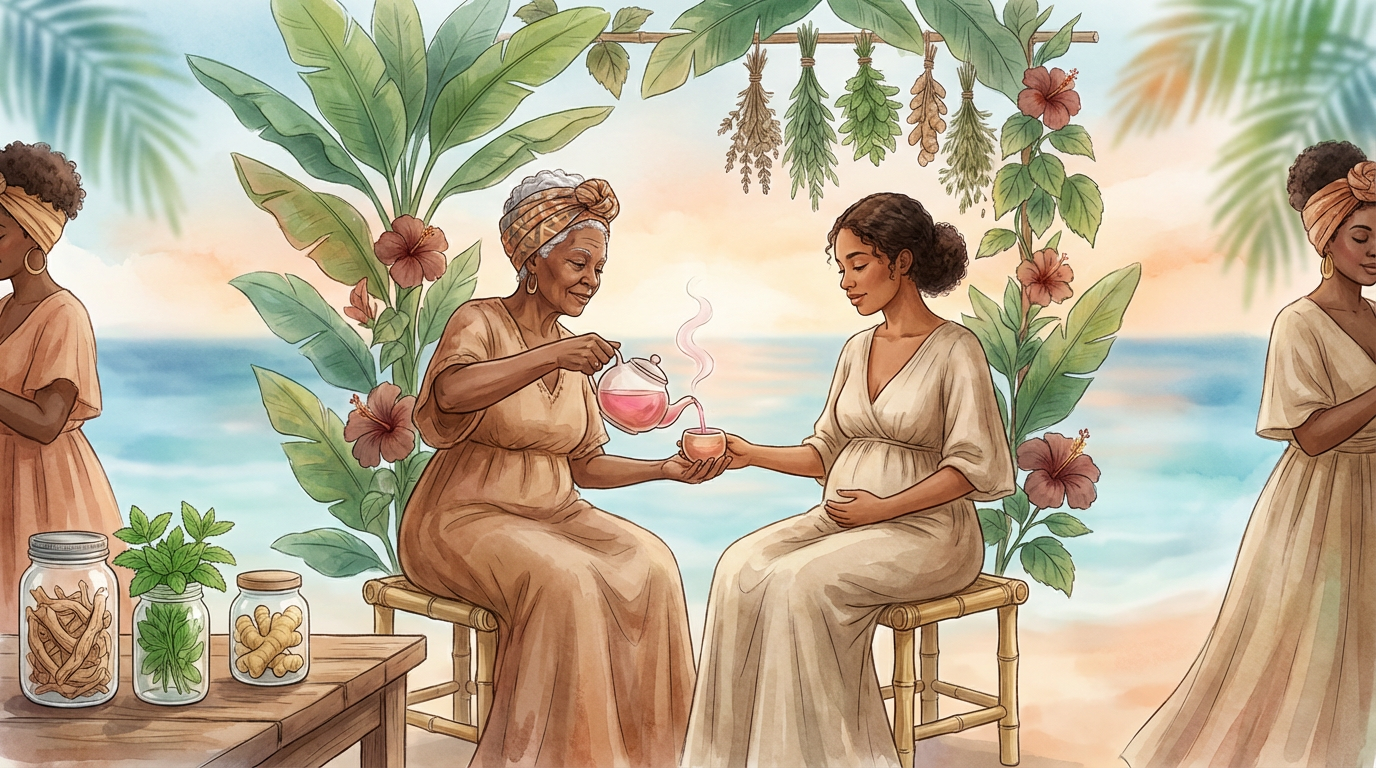
Caribbean Bush Teas for Cramp Relief: Grandmother's Remedies
Discover how traditional Caribbean bush teas offer natural relief for menstrual cramps, drawing on generations of island wisdom. This guide explores specific herbs, their benefits, and how to safely incorporate these time-honored remedies into your wellness routine.
Listen to this article
~13 min listen
Click play to generate audio narration with a calming voice
TL;DR Summary
- •Traditional Caribbean bush teas offer natural, time-tested relief for menstrual cramps, leveraging the medicinal properties of local herbs.
- •Key herbs like Ginger, Cerasee, Soursop, and Fever Grass possess anti-inflammatory, antispasmodic, and pain-relieving compounds.
- •Integrating these
Caribbean remedieswith modern wellness practices can provide a holistic approach to managingisland period relief.
Unearthing Grandmother's Wisdom: Caribbean Bush Teas for Menstrual Cramps
Menstrual cramps, medically known as dysmenorrhea, are a common and often debilitating experience for many women. While over-the-counter pain relievers offer temporary respite, a rich tapestry of traditional wisdom from the Caribbean islands provides powerful, natural alternatives. For generations, grandmothers and matriarchs across the Caribbean have brewed potent bush tea cramps remedies, harnessing the earth's bounty to soothe discomfort and promote well-being. These Caribbean remedies, passed down through oral tradition, offer not just physical relief but also a connection to cultural heritage and a holistic approach to women's health. This article delves into the science and tradition behind these cherished island period relief practices, empowering you to explore these natural avenues for comfort.
What Are Caribbean Bush Teas and Why Are They Effective for Cramps?
Caribbean bush teas are infusions made from various parts of plants – leaves, barks, roots, and flowers – native to the region. These plants have been used for centuries in traditional medicine for their diverse therapeutic properties. Their effectiveness in alleviating menstrual cramps stems from a combination of active compounds that address the underlying causes of pain: inflammation, muscle spasms, and hormonal imbalances.
Many of these herbs contain natural anti-inflammatory agents, similar to non-steroidal anti-inflammatory drugs (NSAIDs) but often with fewer side effects. Others possess antispasmodic properties, helping to relax the uterine muscles that contract painfully during menstruation. Some also contribute to overall hormonal balance or provide a calming effect, reducing stress which can exacerbate cramp severity. The holistic approach of Caribbean remedies often means that a single tea might offer multiple benefits, tackling various aspects of period discomfort simultaneously.
Which Traditional Caribbean Bush Teas Offer the Best Island Period Relief?
The islands boast an incredible pharmacopoeia of plants, each with its unique healing profile. Here are some of the most revered and effective bush tea cramps remedies, complete with their traditional uses and scientific insights:
1. Ginger (Zingiber officinale)
- •Traditional Use: Widely used across the Caribbean for digestive issues, colds, and pain relief, ginger tea is a cornerstone for menstrual cramps. Grandmothers often recommend brewing fresh ginger slices for a potent brew.
- •Scientific Backing: Ginger is a powerful anti-inflammatory, primarily due to compounds called gingerols and shogaols. Research suggests it can be as effective as ibuprofen in reducing menstrual pain severity. It also helps reduce nausea, a common companion to severe cramps.
- •Preparation: Peel and thinly slice a 1-inch piece of fresh ginger. Add to 1 cup of boiling water. Simmer for 5-10 minutes. Strain and sweeten with honey or lime if desired. Drink 2-3 times daily during your period.
2. Cerasee (Momordica charantia)
- •Traditional Use: Known for its bitter taste, Cerasee is a highly respected detoxifier and blood cleanser in
Caribbean remedies. It's often consumed for overall well-being and is specifically prized for regulating menstrual cycles and easing cramps. - •Scientific Backing: While more research is needed specifically on its effect on dysmenorrhea, Cerasee contains compounds with anti-inflammatory and antioxidant properties. Its traditional use points to its potential in balancing the body's systems, which can indirectly alleviate menstrual discomfort.
- •Preparation: Boil a handful of fresh Cerasee leaves (or 1-2 tablespoons dried) in 2 cups of water for 10-15 minutes. Strain and drink warm. Due to its bitterness, you might need to add a natural sweetener or dilute it.
3. Soursop (Annona muricata) Leaves
- •Traditional Use: Soursop leaves are revered for their calming and pain-relieving properties. Often used for insomnia, hypertension, and general pain, they are a gentle yet effective
island period reliefoption. - •Scientific Backing: Soursop leaves contain acetogenins and alkaloids, which have demonstrated anti-inflammatory and analgesic (pain-relieving) effects in preliminary studies. Its calming properties can also help reduce stress-induced cramp severity.
- •Preparation: Steep 7-10 fresh soursop leaves (or 1 tablespoon dried) in 1 cup of hot water for 10-15 minutes. Strain and drink. Can be consumed 1-2 times daily.
4. Fever Grass / Lemongrass (Cymbopogon citratus)
- •Traditional Use: A fragrant and beloved herb, Fever Grass is used for fevers, colds, and digestive upset. Its calming and antispasmodic properties make it excellent for soothing tense muscles, including those of the uterus.
- •Scientific Backing: Lemongrass contains citral, a compound with anti-inflammatory and analgesic effects. Its muscle-relaxing properties can directly target uterine spasms, providing effective
bush tea crampsrelief. It also has a mild sedative effect, promoting relaxation. - •Preparation: Bruise a few fresh stalks of lemongrass or use 1-2 tablespoons of dried lemongrass. Steep in 1 cup of hot water for 5-7 minutes. Strain and enjoy. Drink throughout the day as needed.
5. Moringa (Moringa oleifera) Leaves
- •Traditional Use: Though more recently gaining widespread recognition, Moringa has been used in parts of the Caribbean for its incredible nutritional profile and medicinal properties. Grandmothers often incorporate it for overall vitality.
- •Scientific Backing: Moringa is packed with vitamins, minerals, and powerful antioxidants. Its anti-inflammatory compounds, such as isothiocyanates, can help reduce the inflammation associated with menstrual cramps. It also provides essential nutrients that support overall reproductive health.
- •Preparation: Steep 1-2 teaspoons of dried moringa leaf powder or a small handful of fresh leaves in hot water for 5-10 minutes. Strain and drink. Can be added to smoothies as well.
6. Turmeric (Curcuma longa)
- •Traditional Use: While more prominent in South Asian cuisine, turmeric has a presence in
Caribbean remedies, particularly in communities with Indian heritage. It's lauded for its anti-inflammatory powers. - •Scientific Backing: Curcumin, the active compound in turmeric, is a potent anti-inflammatory and antioxidant. Studies have shown it can significantly reduce the severity of dysmenorrhea. It works by inhibiting prostaglandins, hormone-like compounds that cause uterine contractions and pain.
- •Preparation: Add 1/2 teaspoon of turmeric powder (or a small slice of fresh turmeric) to 1 cup of hot water. Add a pinch of black pepper to enhance absorption. Simmer for a few minutes. Drink once or twice daily during your period.
How Can You Safely Incorporate Caribbean Remedies into Your Routine?
While natural, these potent bush tea cramps remedies should be approached with respect and awareness. Here's how to integrate them safely and effectively:
- •Source Wisely: If possible, source herbs from reputable local growers or stores that specialize in natural products. Ensure they are free from pesticides and contaminants. If picking wild, be absolutely certain of identification.
- •Start Small: Begin with small doses to assess your body's reaction. Everyone's physiology is different, and what works for one person might not for another.
- •Listen to Your Body: Pay attention to how you feel. If you experience any adverse reactions (e.g., digestive upset, allergic reactions), discontinue use.
- •Consult a Healthcare Professional: This is crucial, especially if you have underlying health conditions, are pregnant, breastfeeding, or taking medications. Some herbs can interact with drugs or be contraindicated in certain conditions. For instance, Cerasee can lower blood sugar, which is important for diabetics to note. Ginger can have blood-thinning properties.
- •Consistency is Key: For some remedies, consistent use leading up to and during your period can be more effective than sporadic use.
- •Holistic Approach: Remember that
island period reliefisn't just about the tea. Combine these remedies with other self-care practices like gentle exercise, heat therapy (a warm bath or hot water bottle), stress reduction techniques, and a balanced diet.
The Cultural Significance of Bush Tea Cramps
Beyond their medicinal properties, Caribbean remedies for menstrual cramps carry profound cultural significance. They represent:
- •Intergenerational Knowledge: These practices are a direct link to ancestral wisdom, passed down from grandmothers to mothers to daughters, reinforcing familial bonds and cultural identity.
- •Self-Sufficiency and Resilience: In many island communities, where access to conventional medicine might be limited, bush teas embody a spirit of self-reliance and resourcefulness.
- •Connection to Nature: They foster a deep respect for the natural environment and an understanding of the earth's healing power.
- •Ritual and Care: The act of preparing and consuming bush tea can be a ritualistic act of self-care, providing comfort and a sense of being nurtured during a time of discomfort.
For women balancing demanding careers, fertility planning, and family life, incorporating these traditional Caribbean remedies can be a powerful way to reclaim agency over their health, honor their heritage, and find solace in time-honored practices. The warmth of a freshly brewed bush tea is often more than just a drink; it's a hug from your grandmother, a whisper of island wisdom, and a potent reminder of the healing power of nature.
Balancing Tradition with Modern Science for Optimal Wellness
While the efficacy of many bush tea cramps remedies is supported by centuries of anecdotal evidence and emerging scientific research, it's important to maintain a balanced perspective. Modern medicine offers valuable diagnostic tools and treatments, and traditional remedies should complement, not replace, professional medical advice, especially for severe or chronic conditions.
Consider integrating these Caribbean remedies as part of a comprehensive wellness plan. Regular check-ups with your doctor, understanding your cycle through tools like fertility trackers, and addressing any underlying health issues are all components of a holistic approach to women's health. The goal is to empower yourself with knowledge – both ancient and modern – to make informed decisions about your well-being.
The Future of Island Period Relief: Preserving and Innovating
The rich tradition of Caribbean remedies is a treasure. Efforts are being made by ethnobotanists, researchers, and community leaders to document and preserve this invaluable knowledge before it's lost. As research continues to unfold the complex phytochemistry of these plants, we may see further validation and even innovation in how these traditional remedies are presented and utilized. For women today, embracing these practices is not just about finding relief; it's about participating in the continuation of a vibrant cultural legacy.
Key Takeaways
- •Traditional Caribbean bush teas offer effective, natural relief for menstrual cramps by targeting inflammation, muscle spasms, and promoting overall balance.
- •Key herbs include Ginger, Cerasee, Soursop leaves, Fever Grass (Lemongrass), Moringa, and Turmeric, each with unique therapeutic properties.
- •Safe integration requires careful sourcing, starting with small doses, listening to your body, and consulting healthcare professionals, especially if pregnant, breastfeeding, or on medication.
- •Cultural significance extends beyond physical relief, connecting women to ancestral wisdom, self-sufficiency, and a deep respect for nature.
- •Holistic approach encourages combining bush teas with modern medical advice and other self-care practices for comprehensive
island period relief.
Frequently Asked Questions
Q1: Are Caribbean bush teas safe for everyone?
A1: While generally safe for most healthy individuals, it's crucial to exercise caution. Pregnant or breastfeeding women, individuals with chronic health conditions (like diabetes or high blood pressure), or those on medication should consult a healthcare professional before trying any new herbal remedy due to potential interactions or contraindications.
Q2: How quickly can I expect bush tea cramps relief?
A2: The onset of relief varies depending on the individual, the severity of cramps, and the specific herb used. Some people may experience relief within an hour of consumption, while others might need consistent use over a few days for noticeable improvement. Ginger and Fever Grass often provide quicker relief due to their direct anti-inflammatory and antispasmodic effects.
Q3: Can I combine different Caribbean remedies herbs in one tea?
A3: Yes, many traditional practitioners combine herbs to enhance their effects, a practice known as synergy. However, if you are new to bush teas, it's advisable to start with single herbs to understand your body's reaction to each. If combining, choose herbs known to be compatible, such as ginger and lemongrass, but always proceed with caution and consult an expert if unsure.
Q4: Where can I find these herbs if I don't live in the Caribbean?
A4: Many of these herbs are increasingly available in health food stores, international markets, or online. Look for reputable suppliers of organic, dried ginger, lemongrass, moringa, and turmeric. Fresh soursop leaves and cerasee might be harder to find outside tropical regions but can sometimes be sourced from specialty Caribbean or Latin American grocers.
Q5: Can these teas help with other period symptoms besides cramps?
A5: Absolutely. Many Caribbean remedies offer broader benefits. For example, ginger can alleviate nausea and bloating, while soursop leaves and fever grass can help with irritability and poor sleep associated with PMS. Cerasee is often used for overall cleansing and hormonal balance, which can positively impact various period symptoms.
Q6: What's the best way to sweeten bush tea cramps if it's too bitter?
A6: Natural sweeteners are preferred. Honey is a popular choice, often added for its own medicinal properties. A squeeze of fresh lime or lemon juice can also cut through bitterness and add a refreshing zest. Some people also add a tiny pinch of cinnamon.
Q7: Are there any specific times I should drink these teas for island period relief?
A7: For best results, many women start drinking these teas a day or two before their period is expected and continue throughout the first few days of menstruation when cramps are typically most severe. Drinking them warm can also provide additional soothing comfort to the abdominal area.
Start Your Wellness Journey Today
Ready to track your cycle, fertility, pregnancy, or menopause journey? Download PERIODiQ - your iQ-powered wellness companion designed for every stage of your health journey.
Get PERIODiQ Free: https://periodiq.app
Your Wellness Journey Starts Here
Download PERIODiQ
Scan the QR code or tap the link to get started with your personalized health tracking.
periodiq.app • iOS & Android
Cite this article
PERIODiQ Editorial Team (2026). "Caribbean Bush Teas for Cramp Relief: Grandmother's Remedies." PERIODiQ. https://periodiq.app/library/caribbean-bush-teas-for-cramp-relief-grandmother-s-remedies
"Caribbean Bush Teas for Cramp Relief: Grandmother's Remedies." PERIODiQ, 2026, https://periodiq.app/library/caribbean-bush-teas-for-cramp-relief-grandmother-s-remedies.
Send this to a friend — PERIODiQ is free for them too. No card. No paywall.
Loved this? Save articles, track your cycle, and unlock meditations — free forever.
Disclaimer: PERIODiQ™ offers general wellness information only. It does not provide medical advice, diagnosis, or treatment. Always speak with a licensed health professional about your health.