
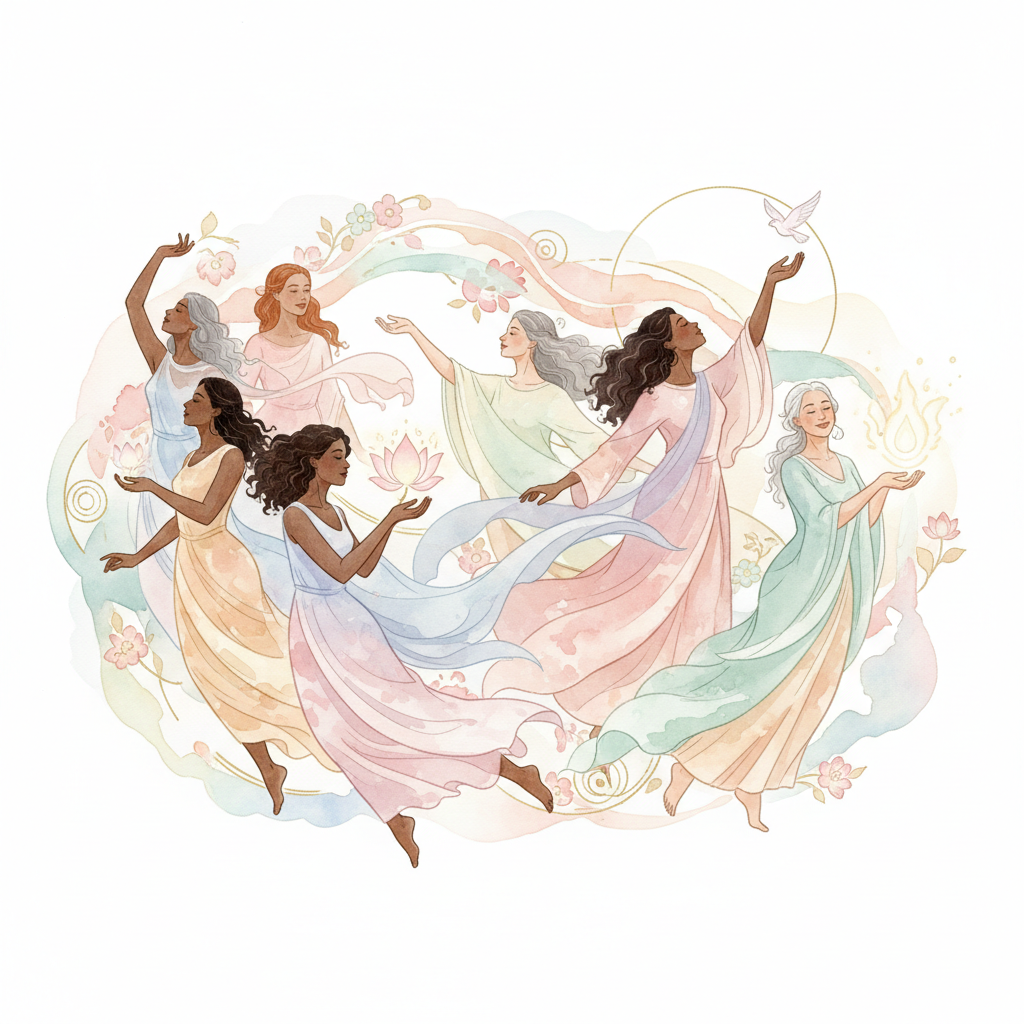
Breaking Cultural Stigma Around Women's Health
Cultural stigma around menstruation, fertility, and mental health prevents women from seeking care and support. Learn how to navigate intergenerational conversations and find culturally-affirming resources.
Listen to this article
~19 min listen
Breaking Cultural Stigma Around Women's Health
In many cultures worldwide, women's health topics—menstruation, fertility challenges, sexual health, and mental health—are shrouded in silence, shame, and stigma. These cultural taboos prevent women from seeking timely care, accessing accurate information, and receiving emotional support during difficult experiences. Breaking this cycle requires understanding the roots of stigma and creating spaces for open, shame-free conversations.
Understanding Cultural Stigma
Stigma around women's health is passed down through generations and reinforced by:
Religious and Traditional Beliefs
- •Menstruation as impurity: Restrictions during periods (religious spaces, cooking, physical touch)
- •Modesty expectations: Topics considered inappropriate for discussion
- •Reproductive duty: Pressure to conceive and bear children
- •Mental illness as spiritual weakness: Mental health dismissed as lack of faith or moral failing
Patriarchal Social Structures
- •Women's bodies as taboo: Female anatomy and functions seen as shameful
- •Silence as virtue: "Good women" don't discuss such matters
- •Male authority: Health decisions made by fathers, husbands, or male relatives
- •Honor culture: Family reputation tied to women's perceived purity
Generational Patterns
- •"That's just how we were taught": Perpetuation without questioning
- •Lack of information: Previous generations had limited access to education
- •Survival mechanisms: Silence protected women in different contexts
- •Fear of judgment: Speaking openly risks community ostracism
Common Stigmatized Topics
Menstruation
Cultural beliefs:
- •Period blood is "dirty" or contaminates food and sacred spaces
- •Menstruating women should isolate themselves
- •Discussing periods is shameful or inappropriate
Health impacts:
- •Delayed diagnosis of conditions like endometriosis or PCOS
- •Inadequate period product access
- •Shame preventing girls from attending school
Infertility
Cultural beliefs:
- •Infertility is a woman's "fault" or punishment
- •Childlessness brings shame to family
- •Discussing fertility struggles is taboo
Health impacts:
- •Delayed seeking of medical help
- •Unnecessary traditional "treatments" that delay effective care
- •Mental health consequences from isolation
Sexual Health
Cultural beliefs:
- •Unmarried women shouldn't know about or discuss sex
- •Sexual dysfunction is shameful or doesn't exist
- •STI testing suggests promiscuity
Health impacts:
- •Delayed STI diagnosis and treatment
- •Untreated sexual pain or dysfunction
- •Lack of consent education
- •Vulnerability to abuse
Mental Health
Cultural beliefs:
- •Mental illness is weakness or spiritual failing
- •Seeking therapy brings family shame
- •"We don't have those problems in our community"
Health impacts:
- •Untreated depression, anxiety, and trauma
- •Higher rates of suicide in some communities
- •Postpartum depression dismissed as "baby blues"
- •Generational trauma unaddressed
Pregnancy Loss and Abortion
Cultural beliefs:
- •Miscarriage is punishment or due to woman's actions
- •Stillbirth should not be discussed
- •Abortion is unforgivable shame
Health impacts:
- •Unprocessed grief and trauma
- •Isolation during already difficult experiences
- •Delayed care after miscarriage
The Cost of Silence
Cultural stigma has real health consequences:
Individual Impact
- •Delayed diagnosis of serious conditions
- •Inadequate treatment due to shame in discussing symptoms
- •Mental health crises from isolation and unprocessed trauma
- •Reproductive coercion and lack of bodily autonomy
- •Intergenerational trauma passed to children
Community Impact
- •Health disparities in communities with strong taboos
- •Limited health education perpetuating misinformation
- •Normalized suffering ("all women experience this")
- •Prevention of support networks and peer connection
Navigating Intergenerational Conversations
Breaking stigma often means difficult conversations with older family members who hold traditional beliefs.
Understanding Their Perspective
Before confronting beliefs, remember:
- •Context matters: Their experiences shaped their beliefs
- •Lack of information: They may not have had access to health education
- •Survival strategies: Silence may have protected them in different circumstances
- •Love and intention: Most hold beliefs out of care, not malice
Conversation Strategies
Choose the Right Time
- •Not during family gatherings or in front of others
- •When both parties are calm and unhurried
- •In a private, comfortable setting
Start with Curiosity
- •"Can you tell me about how periods were discussed when you were growing up?"
- •"What did your mother teach you about [topic]?"
- •"I'd like to understand your perspective on this."
Share Personal Experience
- •"When I stay silent about my pain, it gets worse. Talking to my doctor helped me."
- •"I respect our traditions, and I also need to take care of my health."
- •"I know you want what's best for me. Here's what I'm experiencing."
Provide Education Gently
- •Share doctor's information: "My doctor says this is a medical condition that needs treatment."
- •Use culturally appropriate framing: "Many women in our community experience this."
- •Offer resources: "I found this article that explains it in our language."
Set Boundaries
- •"I understand you have concerns, but this is my decision about my body."
- •"I need you to support me even if you don't fully agree."
- •"I'm not asking for permission, but I'd like your support."
Find Common Ground
- •"We both want me to be healthy and happy."
- •"You taught me to take care of myself—this is how I'm doing that."
- •"I'm still honoring our culture while also getting the care I need."
When Conversations Don't Work
Sometimes family members won't change their beliefs, and that's okay. Protect yourself:
- •Selective sharing: You don't owe full disclosure
- •Find other support: Friends, partners, chosen family
- •Professional help: Therapists can help navigate family dynamics
- •Community resources: Culturally-specific support groups
- •Boundaries: "I've heard your opinion. The conversation is closed."
Finding Culturally-Affirming Resources
Healthcare
- •Community health centers: Often provide culturally competent care
- •Provider directories: Organizations serving specific communities
- •Language services: Healthcare in your native language
- •Cultural liaisons: Some hospitals have staff who bridge cultural gaps
Mental Health
- •Therapists of color: Psychology Today, Therapy for Black Girls, Latinx Therapy, etc.
- •Culturally-specific organizations: Mental health services for specific communities
- •Faith-based counseling: If that's culturally appropriate for you
- •Support groups: In-person or online with people from similar backgrounds
Peer Support
- •Cultural community groups: Often have informal support networks
- •Online communities: Private Facebook groups, Reddit, forums
- •Religious organizations: Many have women's groups
- •Advocacy organizations: Black Mamas Matter, SisterSong, etc.
Creating Change in Your Community
Personal Advocacy
- •Share your story when safe and comfortable
- •Educate younger family members to break cycles
- •Support other women facing similar stigma
- •Model openness about health topics
Community-Level Change
- •Start conversations: Book clubs, community events focused on women's health
- •Bring in education: Health workshops in cultural centers, religious institutions
- •Create safe spaces: Women's circles where stigmatized topics can be discussed
- •Advocate for resources: Push for culturally competent care in your community
Intergenerational Healing
- •Document family health history: Break silence around hereditary conditions
- •Honor elders while evolving: "I respect your generation, and I'm creating change for mine"
- •Involve men and boys: Health education isn't just for women
- •Celebrate progress: Acknowledge when minds change, even slightly
Specific Cultural Considerations
South Asian Communities
Common stigmas:
- •Menstruation as pollution preventing religious participation
- •Infertility bringing family shame
- •Mental health as weakness
Breaking stigma:
- •Organizations like South Asian Sexual & Mental Health Alliance
- •Bollywood and media increasingly addressing taboo topics
- •Intergenerational conversations about dowry, arranged marriage impacts on mental health
Latinx Communities
Common stigmas:
- •Marianismo (female suffering as virtue)
- •Mental health as locura (madness)
- •"We handle things within family"
Breaking stigma:
- •Curanderismo and traditional healing can coexist with modern medicine
- •Therapy in Spanish widely available
- •Growing mental health advocacy (Consejería normalization)
Black Communities
Common stigmas:
- •"Strong Black woman" stereotype preventing vulnerability
- •Mental health dismissed in favor of prayer
- •Medical mistrust from historical racism
Breaking stigma:
- •Therapy for Black Girls, Black Mamas Matter, Sad Girls Club
- •Faith and therapy as complementary, not contradictory
- •Community health workers as cultural bridges
East Asian Communities
Common stigmas:
- •Mental illness brings family shame (loss of face)
- •Somatic symptoms prioritized over emotional ones
- •Reproductive health not discussed
Breaking stigma:
- •Intergenerational trauma from immigration experience
- •Asian Mental Health Collective and culturally-specific resources
- •Language-specific mental health services
Middle Eastern & North African Communities
Common stigmas:
- •Virginity and honor culture
- •Mental health as spiritual deficiency
- •Reproductive challenges hidden
Breaking stigma:
- •Muslim mental health organizations (Khalil Center, etc.)
- •Faith-integrated therapy approaches
- •Online communities where anonymity protects from community judgment
Indigenous Communities
Common stigmas:
- •Historical trauma and mistrust of medical systems
- •Loss of traditional healing knowledge
- •Generational trauma not acknowledged
Breaking stigma:
- •Reclaiming traditional practices alongside modern medicine
- •Two-spirit and LGBTQ+ acceptance in some nations
- •Community healing circles
- •Cultural revitalization supporting mental health
When Culture and Health Conflict
Sometimes cultural beliefs directly conflict with medical recommendations. Navigate this by:
Seeking Middle Ground
- •Can a traditional practice be modified to be medically safe?
- •Can modern medicine be delivered in culturally respectful ways?
- •Are there cultural healers open to collaboration with medical providers?
Making Informed Choices
- •Understand medical risks and benefits
- •Understand cultural meaning and importance
- •Decide based on your values, not others' pressure
- •You can honor culture while prioritizing your health
Getting Cultural + Medical Support
- •Providers trained in cultural humility
- •Doulas and health navigators from your community
- •Translators for language and culture
- •Traditional healers who work collaboratively with medical system
Resources by Community
General
- •National Resource Center on Domestic Violence: Culturally-specific resources
- •Office of Minority Health: Health information for diverse communities
- •Immigrant and refugee health guides
Black/African American
- •Black Women's Health Imperative
- •National Black Women's Reproductive Justice Agenda
- •Therapy for Black Girls
- •Black Mamas Matter Alliance
Latinx/Hispanic
- •National Latina Institute for Reproductive Justice
- •National Alliance for Hispanic Health
- •Latinx Therapy
Asian American/Pacific Islander
- •Asian Mental Health Collective
- •National Asian Women's Health Organization
- •South Asian Mental Health Alliance
Indigenous
- •National Indigenous Women's Resource Center
- •Indian Health Service
- •Native Youth Sexual Health Network
LGBTQ+
- •National Queer and Trans Therapists of Color Network
- •Trans Lifeline
- •GLMA: Health Professionals Advancing LGBTQ+ Equality
Your Journey, Your Terms
Breaking cultural stigma doesn't mean rejecting your culture—it means evolving it to center your health and wellbeing. You can:
- •Honor your heritage while creating new patterns
- •Respect elders while making different choices
- •Maintain cultural identity while prioritizing your health
- •Create the change you wish you'd had
Your health matters. Your voice matters. Your story matters.
Speak your truth, seek the care you deserve, and know that every conversation you have makes it easier for the next woman in your community.
Cite this article
PERIODiQ Editorial Team (2025). "Breaking Cultural Stigma Around Women's Health." PERIODiQ. https://periodiq.app/library/breaking-cultural-stigma-womens-health
"Breaking Cultural Stigma Around Women's Health." PERIODiQ, 2025, https://periodiq.app/library/breaking-cultural-stigma-womens-health.
Send this to a friend — PERIODiQ is free for them too. No card. No paywall.
Loved this? Save articles, track your cycle, and unlock meditations — free forever.
Disclaimer: PERIODiQ™ offers general wellness information only. It does not provide medical advice, diagnosis, or treatment. Always speak with a licensed health professional about your health.