
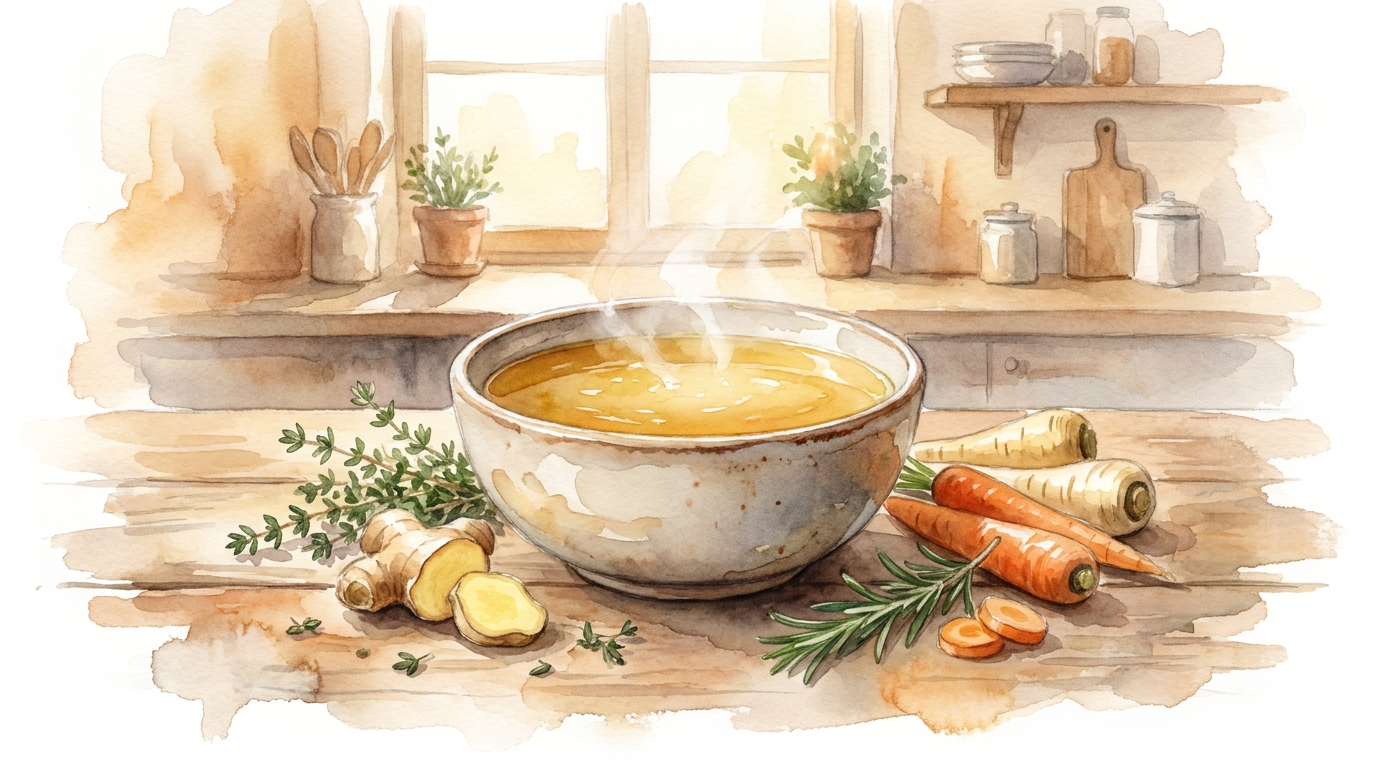
Bone Broth, Collagen & Postpartum Recovery: A Global Tradition
Bone broth and collagen are ancient, globally recognized superfoods that offer profound support for postpartum recovery by providing essential nutrients for tissue repair, gut health, and energy restoration. These traditional confinement foods are rich in amino acids, minerals, and collagen peptides crucial for healing after childbirth.
Listen to this article
~17 min listen
Click play to generate audio narration with a calming voice
TL;DR Summary
- •Bone broth and collagen are nutrient-dense traditional foods vital for postpartum healing, offering essential amino acids, minerals, and gut support.
- •They aid in tissue repair, replenish nutrient stores depleted during pregnancy and childbirth, and support immune function.
- •Globally, cultures have long relied on these foods as part of 'confinement' or 'lying-in' periods to restore maternal health and energy.
Bone Broth, Collagen & Postpartum Recovery: A Global Tradition
Postpartum recovery is a unique and demanding period for new mothers, requiring significant physical and emotional restoration. Bone broth and collagen, revered in traditional medicine and modern nutrition alike, offer a powerful, nutrient-dense solution for healing and replenishing the body after childbirth. These ancient superfoods are not just culinary staples; they are foundational elements of postpartum nourishment across diverse cultures, celebrated for their ability to support tissue repair, boost energy, and restore overall well-being during the critical 'fourth trimester.' Understanding their benefits can empower mothers to make informed choices for a smoother, more vibrant recovery journey.
What Makes Bone Broth a Postpartum Powerhouse?
Bone broth is a nutrient-rich liquid made by simmering animal bones and connective tissues, often with vegetables, herbs, and spices, for an extended period. This slow cooking process extracts a wealth of beneficial compounds, making it an ideal food for bone broth postpartum recovery. The resulting broth is packed with collagen, gelatin, amino acids (like glycine, proline, and glutamine), and essential minerals such as calcium, magnesium, phosphorus, and potassium. For new mothers, who often experience nutrient depletion and physical stress, bone broth offers a highly bioavailable source of these critical elements, supporting everything from wound healing to energy levels. Its warmth and palatability also make it a comforting and easily digestible food, which is particularly important when the digestive system might be sensitive or sluggish after labor and delivery.
How Does Collagen Support Postpartum Healing?
Collagen is the most abundant protein in the human body, serving as a primary building block for skin, bones, tendons, ligaments, and connective tissues. During pregnancy and childbirth, the body undergoes immense physical changes, including stretching of ligaments, potential tearing of tissues, and significant demands on collagen stores. Collagen postpartum recovery is therefore crucial for repairing these tissues, promoting wound healing, and restoring skin elasticity. Supplementing with collagen, often derived from sources like bone broth or hydrolyzed collagen peptides, provides the body with the necessary amino acids to rebuild and strengthen these vital structures. This is particularly important for healing perineal tears or C-section incisions, supporting pelvic floor recovery, and even minimizing postpartum hair loss and improving skin health. The specific amino acids in collagen, particularly glycine and proline, are key for synthesis of new connective tissue and promoting a healthy inflammatory response.
What Are the Key Nutrients in Bone Broth and Collagen for New Mothers?
Bone broth and collagen deliver a synergistic array of nutrients that are particularly beneficial for postpartum nourishment. The primary components contributing to their healing power include:
- •Collagen/Gelatin: As discussed, these proteins are vital for tissue repair, skin elasticity, joint health, and gut integrity. Gelatin, the cooked form of collagen, gives broth its characteristic jiggle and aids digestion by coating the digestive tract.
- •Amino Acids: Glycine, proline, and glutamine are particularly abundant. Glycine supports detoxification, promotes restful sleep, and is crucial for collagen synthesis. Proline is another key component of collagen. Glutamine is an essential fuel for gut cells, helping to repair the intestinal lining (crucial for 'leaky gut' and overall immune function).
- •Minerals: Calcium, magnesium, phosphorus, and potassium are extracted from the bones during simmering. These minerals are vital for bone strength, nerve function, muscle contraction, and electrolyte balance, all of which can be compromised during pregnancy and childbirth.
- •Hyaluronic Acid and Chondroitin Sulfate: These glycosaminoglycans are known for their joint-cushioning and anti-inflammatory properties, supporting recovery from the physical strain of labor and supporting overall joint health.
- •Glycosaminoglycans (GAGs): Beyond hyaluronic acid and chondroitin, GAGs help maintain hydration in tissues, supporting skin health and tissue elasticity.
These nutrients work in concert to support the multifaceted healing needs of a new mother, making bone broth and collagen indispensable components of a comprehensive postpartum recovery plan.
How Do Traditional Confinement Foods Incorporate Bone Broth and Collagen?
Across the globe, cultures have long understood the importance of specialized nutrition during the postpartum period, often referred to as 'confinement' or 'lying-in.' These traditional confinement foods frequently feature nutrient-dense broths and gelatinous meats, inherently rich in collagen and the benefits of slow-cooked bones. For example:
- •Chinese Postpartum Diet (Zuo Yue Zi): This 30-day (or longer) period emphasizes warming, nourishing foods. Soups and broths made from pig trotters, chicken, or fish are central. Pig trotter soup, rich in collagen, is believed to promote milk production and restore strength. Herbal chicken soup is another staple, providing warmth and vitality.
- •Korean Postpartum Care (Samchil-il): Seaweed soup (Miyeokguk) is consumed daily for weeks, sometimes months. While not a bone broth, it's often made with beef or fish, providing a rich broth base. It's believed to cleanse the blood, aid uterine contraction, and provide essential minerals. Other dishes often include braised meats and stews that are slow-cooked to tenderness, boosting nutrient availability.
- •Indian Postpartum Practices (Sutika Seva): Specific broths and stews made with lean meats, lentils, and warming spices are common. These are designed to replenish lost nutrients, aid digestion, and boost immunity. Ghee (clarified butter) is also used generously, providing healthy fats.
- •Latin American Traditions (La Cuarentena): This 40-day period often includes nutrient-dense, easily digestible foods. Soups and stews made with chicken or beef are common, providing warmth and nourishment, along with rich sources of protein and minerals.
- •African Postpartum Care: Many African cultures emphasize nutrient-rich, warming porridges and stews made with local ingredients, including meats and fish, often slow-cooked to extract maximum nutrients and provide easily digestible sustenance.
These diverse traditions highlight a universal understanding: the postpartum body needs gentle, warming, and highly nourishing foods to recover effectively. Bone broth and collagen-rich preparations stand out as common threads in these ancient wisdoms, providing the foundational building blocks for a mother's return to health and strength.
Can Bone Broth and Collagen Aid in Gut Health Postpartum?
Yes, bone broth and collagen are exceptionally beneficial for gut health, which is particularly important during the postpartum period. Pregnancy and childbirth can impact the digestive system, leading to issues like constipation, hemorrhoids, or a temporary disruption of the gut microbiome. The gelatin in bone broth, derived from collagen, helps to seal and heal the lining of the digestive tract. This is crucial for maintaining intestinal barrier integrity, often referred to as preventing 'leaky gut,' where undigested food particles and toxins can pass into the bloodstream, potentially triggering inflammation or immune responses. The amino acid glutamine, abundant in bone broth, is a primary fuel source for the cells lining the small intestine, supporting their regeneration and function. By promoting a healthy gut, bone broth and collagen can improve nutrient absorption, reduce inflammation, and support a robust immune system, all of which are vital for a recovering mother.
Are There Specific Benefits for Postpartum Mood and Sleep?
While not a direct cure for postpartum mood disorders, bone broth and collagen can indirectly support emotional well-being and sleep quality. The amino acid glycine, found in abundance in both, has calming properties and acts as an inhibitory neurotransmitter in the brain. It can promote relaxation, reduce anxiety, and improve sleep quality. For new mothers often grappling with sleep deprivation and hormonal shifts, anything that aids in more restful sleep is invaluable. Furthermore, a healthy gut, supported by bone broth, is intrinsically linked to brain health via the gut-brain axis. A balanced gut microbiome can influence neurotransmitter production and reduce systemic inflammation, potentially contributing to more stable mood. By providing foundational nourishment and supporting gut health, bone broth and collagen contribute to an overall sense of well-being, which can positively impact mood and stress resilience during the demanding postpartum period.
How Can You Easily Incorporate Bone Broth and Collagen into Your Postpartum Diet?
Integrating bone broth and collagen into your daily routine can be simple and delicious. Here are practical tips for bone broth postpartum and collagen postpartum recovery:
- •Sip it warm: The easiest way to consume bone broth is to simply warm it up and sip it like tea. Add a pinch of salt, pepper, or fresh herbs for flavor.
- •Base for soups and stews: Use bone broth as the liquid base for all your soups, stews, and casseroles. This effortlessly boosts the nutritional content of your meals.
- •Cooking grains: Cook rice, quinoa, or other grains in bone broth instead of water for added flavor and nutrients.
- •Smoothies: While not traditional for bone broth, unflavored collagen peptides can be easily blended into smoothies, protein shakes, or even coffee and tea without altering the taste or texture.
- •Sauces and gravies: Incorporate bone broth into pan sauces or gravies to thicken them and add a nutritional punch.
- •Batch cooking: Make a large batch of bone broth once a week and freeze it in smaller portions for easy access. Alternatively, purchase high-quality, grass-fed bone broth from stores.
- •Collagen peptides: Opt for hydrolyzed collagen peptides (collagen powder) as a versatile supplement. It dissolves easily in hot or cold liquids and is virtually tasteless, making it easy to add to almost anything.
Remember to choose high-quality, grass-fed or pasture-raised bone broth and collagen products to ensure maximum nutrient density and avoid unwanted additives.
Benefits by Life Stage
While our focus here is postpartum, the benefits of bone broth and collagen extend throughout a woman's life stages:
Menstrual Health (periods, cramps, PMS)
Collagen and bone broth can support menstrual health by providing amino acids for tissue repair and gut health. A healthy gut can influence hormone balance, potentially easing PMS symptoms. Glycine may also help relax the body and mind, which can be beneficial for managing cramps and mood swings during menstruation. The anti-inflammatory properties can also help reduce menstrual discomfort by supporting the body's natural inflammatory response.
Fertility Journey (TTC, ovulation, conception)
For women trying to conceive (TTC), bone broth and collagen contribute to overall health and nutrient repletion. A well-nourished body with a healthy gut environment is better prepared for fertility. The minerals found in bone broth, such as calcium and magnesium, are crucial for reproductive health and hormonal balance. Supporting robust connective tissues can also be beneficial in preparing the body for pregnancy.
Pregnancy (trimesters, prenatal care)
During pregnancy, the demand for nutrients dramatically increases. Bone broth and collagen can be a safe and beneficial addition to a pregnant woman's diet (always consult with your healthcare provider). They provide essential amino acids for fetal development, support the mother's skin elasticity as her belly grows, and help maintain strong bones and joints under the increased weight. The gut-healing properties can also alleviate common pregnancy discomforts like constipation and heartburn, contributing to overall maternal well-being. It is a gentle way to get protein and minerals when appetite might be challenged.
Menopause (perimenopause, hormonal changes)
As women enter perimenopause and menopause, bone density and collagen production naturally decline, leading to concerns like osteoporosis, joint pain, and skin elasticity loss. Regular consumption of bone broth and collagen can help mitigate these effects. The collagen peptides provide the building blocks for maintaining bone strength and joint cartilage, while also supporting skin hydration and elasticity. The minerals in bone broth further contribute to bone health, making these foods valuable for long-term vitality during this life stage.
Key Takeaways
- •Bone broth and collagen are foundational for postpartum nourishment, aiding in tissue repair, nutrient repletion, and energy restoration.
- •They are rich in essential amino acids (glycine, proline, glutamine), minerals, and gelatin, crucial for healing after childbirth.
- •Collagen postpartum recovery specifically supports skin elasticity, wound healing (perineal tears, C-sections), and pelvic floor strength.
- •Bone broth postpartum benefits extend to gut health, immune function, and potentially improved mood and sleep quality.
- •These superfoods are integral to traditional confinement foods globally, reflecting ancient wisdom on maternal recovery.
- •Easy to incorporate into daily meals, they offer versatile ways to boost nutritional intake.
Frequently Asked Questions
Q: Is bone broth safe to consume while breastfeeding?
Yes, bone broth is generally considered safe and highly beneficial for breastfeeding mothers. It provides essential nutrients that can help replenish a mother's depleted stores and support milk production. Its hydrating properties and mineral content are also advantageous. Always ensure the broth is made from high-quality, organic ingredients if possible.
Q: How much collagen should I take for postpartum recovery?
While there's no universally prescribed dose, many experts recommend 10-20 grams of hydrolyzed collagen peptides daily for general health and recovery. For therapeutic postpartum healing, some may opt for higher doses. It's best to start with a lower dose and gradually increase, and always consult with your healthcare provider or a registered dietitian for personalized advice.
Q: Can bone broth replace a multivitamin during postpartum?
While incredibly nutrient-dense, bone broth should not fully replace a comprehensive postpartum multivitamin. It offers a unique profile of amino acids and minerals, but a multivitamin ensures a broader spectrum of vitamins and trace minerals that may not be present in sufficient quantities in broth alone. They work synergistically to support optimal recovery.
Q: How long should I continue consuming bone broth and collagen postpartum?
Many traditional confinement periods last 30-40 days, emphasizing intense nourishment during this time. However, the benefits of bone broth and collagen extend far beyond this initial period. Continuing to consume them for several months, or even indefinitely, can support long-term healing, overall health, and well-being, especially while breastfeeding or if still experiencing recovery symptoms.
Q: Does bone broth help with postpartum hair loss?
Yes, bone broth and collagen can help with postpartum hair loss. Postpartum hair loss is often due to hormonal shifts and nutrient deficiencies. Collagen provides amino acids that are building blocks for hair, and the overall nutrient density of bone broth supports healthy hair follicles. While not an instant fix, consistent consumption can contribute to stronger, healthier hair growth over time.
Q: Are there any side effects of consuming bone broth or collagen postpartum?
For most people, bone broth and collagen are well-tolerated. Some might experience mild digestive upset (like bloating or a feeling of fullness) if they consume large amounts quickly. If you have specific allergies (e.g., to beef or chicken), ensure your broth or collagen source is appropriate. Always listen to your body and consult a healthcare professional if you have concerns.
Q: What's the difference between bone broth and regular stock for postpartum recovery?
Bone broth is typically simmered for a much longer period (12-24+ hours) using bones and connective tissues, which results in a higher concentration of gelatin, collagen, amino acids, and minerals. Regular stock is usually cooked for a shorter time (1-4 hours) primarily for flavor and often uses more meat than bones. For postpartum recovery, bone broth is superior due to its significantly higher nutritional density and gut-healing properties.
Start Your Wellness Journey Today
Ready to track your cycle, fertility, pregnancy, or menopause journey? Download PERIODiQ - your iQ-powered wellness companion designed for every stage of your health journey.
Get PERIODiQ Free: https://periodiq.app
Your Wellness Journey Starts Here
Download PERIODiQ
Scan the QR code or tap the link to get started with your personalized health tracking.
periodiq.app • iOS & Android
Cite this article
PERIODiQ Editorial Team (2026). "Bone Broth, Collagen & Postpartum Recovery: A Global Tradition." PERIODiQ. https://periodiq.app/library/bone-broth-collagen-postpartum-recovery-a-global-tradition
"Bone Broth, Collagen & Postpartum Recovery: A Global Tradition." PERIODiQ, 2026, https://periodiq.app/library/bone-broth-collagen-postpartum-recovery-a-global-tradition.
Send this to a friend — PERIODiQ is free for them too. No card. No paywall.
Loved this? Save articles, track your cycle, and unlock meditations — free forever.
Disclaimer: PERIODiQ™ offers general wellness information only. It does not provide medical advice, diagnosis, or treatment. Always speak with a licensed health professional about your health.