
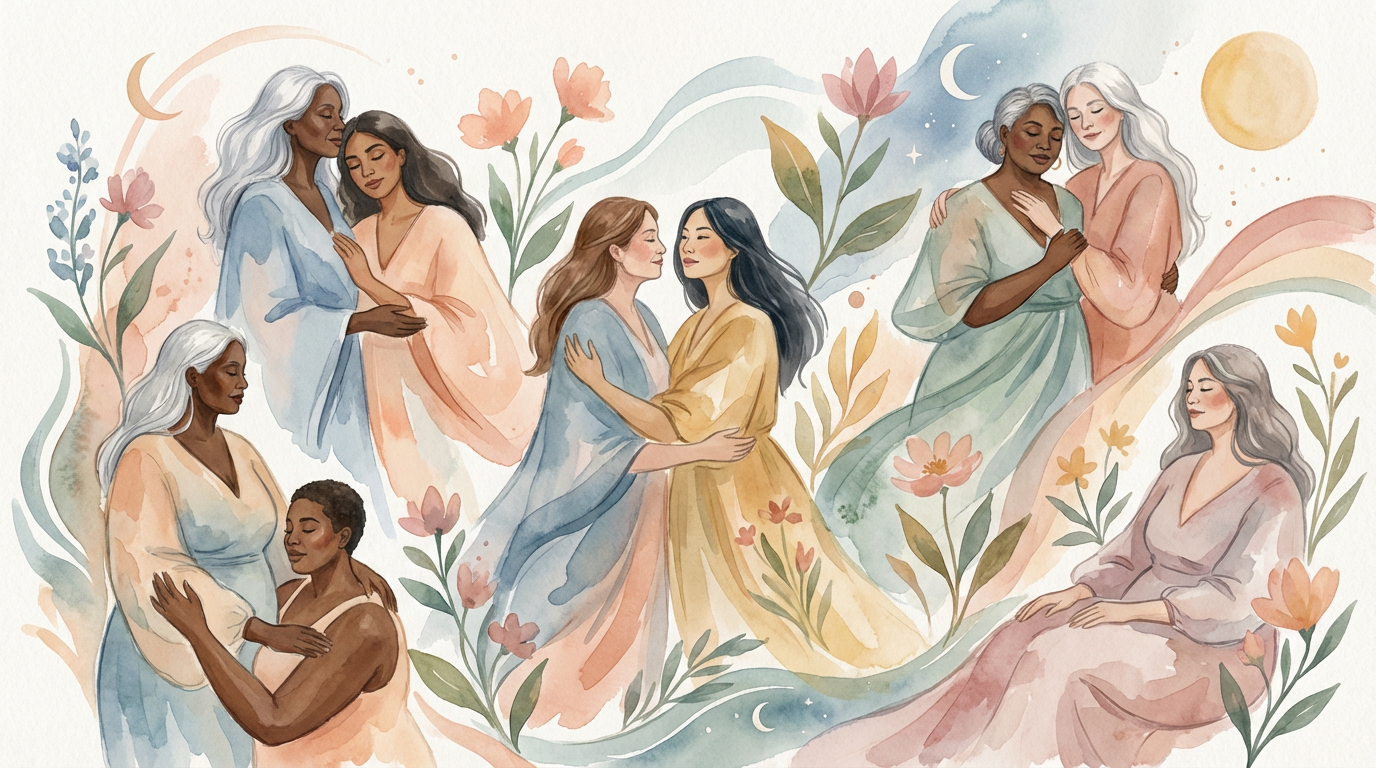
Body Image & Self-Compassion in Midlife
Generated article about Body Image & Self-Compassion in Midlife
Listen to this article
~17 min listen
TL;DR Summary
- •Menopause often brings physical changes like weight redistribution and skin alterations that can impact body image.
- •Cultivating self-compassion is vital for emotional resilience and accepting these natural midlife transformations.
- •Practical strategies, including mindful movement and challenging negative self-talk, can help women foster a more positive relationship with their changing bodies.
Introduction
Navigating body image and fostering self-compassion in midlife, particularly during the transformative phase of menopause, is a critical journey for women's overall well-being. As women transition through their 40s and 50s, hormonal shifts, lifestyle changes, and societal pressures can profoundly impact how they perceive their bodies, often leading to feelings of frustration, inadequacy, or even grief. This article explores the unique challenges women face regarding body image during menopause and provides actionable strategies rooted in self-compassion to help embrace these natural changes with kindness and acceptance.
What Physical Changes Impact Body Image During Menopause?
During menopause, a range of physiological changes can significantly impact a woman's body image, often leading to feelings of discomfort or dissatisfaction. The primary driver of these changes is fluctuating and declining estrogen levels, which influence various bodily functions.
Hormonal Shifts and Weight Redistribution
One of the most commonly reported changes is weight gain and a redistribution of body fat, often shifting from hips and thighs to the abdominal area. Research indicates that women gain an average of 1.5 pounds per year during perimenopause and menopause, even without changes in diet or activity levels (Mayo Clinic, 2023). This visceral fat accumulation is linked to decreased estrogen and can be particularly distressing as it changes the familiar body shape.
Skin, Hair, and Nail Alterations
Estrogen plays a crucial role in maintaining skin elasticity, hydration, and collagen production. As estrogen declines, women may notice increased skin dryness, reduced elasticity, more prominent wrinkles, and a loss of skin plumpness. Hair can become thinner, more brittle, or even start to gray more rapidly, while nails might become weaker and more prone to breakage. These visible signs of aging can challenge a woman's perception of youth and beauty, which are often highly valued in society.
Bone Density and Muscle Mass Loss
Menopause accelerates bone density loss, increasing the risk of osteoporosis. While not directly visible, the awareness of bone fragility can impact a woman's sense of physical strength and resilience. Similarly, sarcopenia, the age-related loss of muscle mass, can make daily activities feel more challenging, affecting strength and stamina. This can alter how women perceive their physical capabilities and overall fitness.
Hot Flashes, Night Sweats, and Sleep Disturbances
While not directly body image changes, symptoms like hot flashes and night sweats can lead to feelings of self-consciousness and discomfort. Constantly feeling overheated or dealing with noticeable sweating can make women feel less put-together or attractive. Sleep disturbances, often a consequence of these symptoms, can result in fatigue and dull skin, further impacting self-perception.
How Do Societal Pressures Influence Menopausal Body Image?
Societal pressures significantly influence how women perceive their changing bodies during menopause, often setting unrealistic standards that exacerbate feelings of inadequacy. These pressures are deeply rooted in cultural narratives around youth, beauty, and female value.
The Youth-Centric Beauty Ideal
Western societies, in particular, often equate beauty with youth. Media, advertising, and popular culture predominantly feature young, slender, and unblemished bodies, creating a pervasive message that aging is something to be fought against rather than embraced. For menopausal women experiencing visible signs of aging like wrinkles, gray hair, and weight redistribution, this ideal can lead to feelings of being invisible, irrelevant, or less attractive.
The Anti-Aging Industry's Impact
The multi-billion dollar anti-aging industry thrives on this fear of aging, offering countless products and procedures designed to "reverse" or "hide" the natural process. While some interventions can be empowering for individuals, the constant bombardment of anti-aging messages can reinforce the idea that natural aging is a flaw that needs correction, rather than a normal biological transition. This can pressure women to spend significant time, money, and emotional energy trying to conform to an unattainable ideal.
Internalized Ageism and Sexism
Women often internalize these societal messages, leading to self-criticism and negative self-talk. Ageism intersects with sexism, where older women are often valued less than older men, particularly in terms of their appearance and perceived sexual attractiveness. This double standard can be particularly damaging to body image, as women may feel that their worth is diminishing as they age, especially if it's tied to external validation.
Lack of Positive Representation
Historically, there has been a significant lack of positive, diverse representation of menopausal and older women in media. When older women are depicted, it's often in stereotypical ways that reinforce negative perceptions of aging. This absence of relatable role models who embrace their midlife bodies with confidence makes it harder for women to envision and accept their own aging process positively.
What Is Self-Compassion and Why Is It Important in Midlife?
Self-compassion is the practice of treating oneself with kindness, understanding, and acceptance, especially in moments of suffering, failure, or perceived inadequacy, rather than with harsh self-criticism. It's composed of three core elements: self-kindness, common humanity, and mindfulness.
Components of Self-Compassion
- •Self-kindness vs. Self-Judgment: This involves being warm and understanding toward ourselves when we suffer, fail, or feel inadequate, rather than ignoring our pain or flagellating ourselves with self-criticism. During menopause, this means acknowledging physical changes without judgment.
- •Common Humanity vs. Isolation: Recognizing that suffering and personal inadequacy are part of the shared human experience, rather than feeling isolated or like we are the only ones struggling. Understanding that millions of women go through menopause and experience similar body image challenges can be incredibly validating.
- •Mindfulness vs. Over-Identification: Taking a balanced approach to our negative emotions so that we neither suppress nor ruminate on them. It means being present with our feelings of discomfort or dissatisfaction about our bodies, without getting swept away by them or exaggerating their significance.
Importance in Midlife and Menopause
Self-compassion is profoundly important in midlife, especially during menopause, for several compelling reasons:
- •Emotional Resilience: The hormonal fluctuations of menopause can lead to increased emotional sensitivity, anxiety, and mood swings. Self-compassion acts as an emotional buffer, helping women navigate these turbulent feelings with greater stability and less distress. It fosters resilience in the face of physical and emotional challenges.
- •Acceptance of Change: Menopause is a period of significant physical transformation. Self-compassion allows women to acknowledge these changes – such as weight shifts, skin alterations, or energy dips – with acceptance rather than resistance. It shifts the focus from fighting aging to embracing the natural evolution of the body.
- •Reduced Body Shame: Societal pressures often lead to shame around aging bodies. Self-compassion helps dismantle this shame by promoting an internal sense of worth that is independent of appearance. It encourages women to treat their bodies as allies, not adversaries, and to appreciate them for their functionality and resilience rather than just their aesthetics.
- •Improved Mental Health: Research consistently links self-compassion to lower rates of depression and anxiety, and higher levels of happiness and life satisfaction. For women navigating the emotional landscape of menopause, cultivating self-compassion can be a powerful tool for maintaining positive mental health.
- •Enhanced Self-Care: When women are self-compassionate, they are more likely to engage in behaviors that promote their well-being. This includes prioritizing sleep, nutritious eating, regular physical activity, and stress reduction – all of which are crucial for managing menopausal symptoms and maintaining overall health.
- •Fosters a Positive Self-Image: Rather than striving for an unattainable youthful ideal, self-compassion helps women cultivate a more realistic and positive self-image rooted in self-acceptance. It allows them to appreciate the wisdom, experience, and unique beauty that comes with age.
Can Self-Compassion Practices Improve Body Image During Menopause?
Yes, self-compassion practices can significantly improve body image during menopause by shifting focus from external appearance to internal acceptance and kindness. By actively engaging in these practices, women can cultivate a more positive and resilient relationship with their changing bodies.
Mindful Movement and Embodiment
Engaging in mindful movement, such as yoga, Pilates, walking, or dancing, helps women reconnect with their bodies in a functional rather than purely aesthetic way. The focus shifts to how the body feels, its capabilities, and the joy of movement, rather than its appearance. Practices like body scan meditations, where attention is gently brought to different parts of the body without judgment, can foster a sense of embodiment and appreciation.
Challenging Negative Self-Talk
Self-compassion involves actively noticing and challenging the inner critic. When negative thoughts about body changes arise, women can practice acknowledging these thoughts without judgment, then gently reframing them with a more compassionate perspective. For example, instead of "My stomach is so big now," one might think, "My body is changing, and that's a natural part of this life stage. I will treat it with kindness." Journaling can be a powerful tool for identifying and transforming these patterns of self-criticism.
Practicing Self-Kindness Rituals
Incorporating rituals of self-kindness can reinforce a positive body image. This could include:
- •Nourishing Meals: Eating mindfully and choosing foods that make the body feel good, rather than restrictive dieting.
- •Comforting Touch: Massaging lotion into aging skin with appreciation, taking warm baths, or simply placing a hand over the heart to offer comfort.
- •Dressing Comfortably: Choosing clothing that makes one feel good and confident, regardless of size or current trends.
Connecting with Common Humanity
Recognizing that body changes during menopause are a universal experience for women can reduce feelings of isolation and shame. Joining support groups, reading stories of other women's menopause journeys, or talking openly with friends can create a sense of shared experience, normalizing body changes and fostering collective acceptance.
Focusing on Strengths and Wisdom
Shifting attention from perceived physical flaws to the body's strengths and the wisdom gained through life can significantly improve body image. Appreciating the body for its ability to carry one through life, for its resilience, and for the experiences it has enabled, fosters a deeper sense of gratitude and respect.
How Can We Cultivate Self-Acceptance in Midlife?
Cultivating self-acceptance in midlife involves a conscious and ongoing effort to embrace one's authentic self, including physical changes, emotional shifts, and evolving life roles. It's about letting go of the need for perfection and embracing imperfection with grace.
Redefining Beauty and Value
Challenge traditional, youth-centric definitions of beauty. Recognize that beauty evolves and encompasses wisdom, experience, kindness, and inner strength. Actively seek out and celebrate diverse representations of aging women who exude confidence and self-acceptance. Understand that your value as a person is not tied to your appearance or age.
Practicing Gratitude for Your Body
Instead of focusing on what your body isn't anymore, shift your attention to what it does for you every day. Be grateful for its ability to move, breathe, see, hear, and experience life. A daily gratitude practice, perhaps by listing three things you appreciate about your body, can foster a more positive connection.
Setting Healthy Boundaries
Protect your emotional and mental well-being by setting boundaries with people, media, or situations that reinforce negative body image or ageist stereotypes. Unfollow social media accounts that promote unrealistic beauty standards and surround yourself with supportive individuals who celebrate you for who you are, not just how you look.
Engaging in Activities That Bring Joy and Fulfillment
Shift your focus from external validation to internal fulfillment. Engage in hobbies, passions, and activities that bring you joy, challenge your mind, or connect you with others. When you feel good about what you do and who you are, your body image naturally becomes less central to your self-worth.
Seeking Professional Support When Needed
If body image issues lead to significant distress, anxiety, or depression, seeking support from a therapist or counselor specializing in body image, aging, or women's health can be incredibly beneficial. They can provide tools, strategies, and a safe space to process complex emotions and develop healthier coping mechanisms.
Benefits by Life Stage
While this article focuses on menopause, it's important to understand the broader context of body image and self-compassion across a woman's life journey.
Menstrual Health (periods, cramps, PMS)
- •Body Image: During younger years, body image can be impacted by puberty-related changes, breast development, and societal ideals around menstruation (e.g., hiding periods). Self-compassion helps normalize these natural processes and reduces shame. Accepting cyclical changes and fluctuating energy levels can improve overall self-perception.
- •Self-Compassion: Practicing self-compassion during PMS or painful periods means acknowledging discomfort without judgment, allowing for rest, and being kind to oneself during times of irritability or fatigue. It fosters a healthier relationship with the natural rhythm of the body.
Fertility Journey (TTC, ovulation, conception)
- •Body Image: The fertility journey can bring intense scrutiny of one's body, especially if conception is difficult. Women may feel their body is "failing" them, leading to significant body image distress. Medical interventions can also alter body shape or cause bloating, adding to this pressure.
- •Self-Compassion: Self-compassion is crucial for navigating the emotional rollercoaster of trying to conceive. It helps women cope with disappointment, reduce self-blame, and treat their bodies with kindness and patience during a stressful and often unpredictable time. It shifts focus from perceived failure to resilience and hope.
Pregnancy (trimesters, prenatal care)
- •Body Image: Pregnancy brings rapid and significant body changes – weight gain, growing belly, stretch marks, fluid retention. While often celebrated, these changes can also be challenging for body image, especially for women with pre-existing body image issues or those sensitive to societal pressures to "bounce back" quickly postpartum.
- •Self-Compassion: Practicing self-compassion during pregnancy means embracing the incredible process of growing a human, accepting the temporary nature of body changes, and prioritizing self-care. It helps women connect with their maternal strength and appreciate their body's amazing capacity, rather than fixating on aesthetics.
Menopause (perimenopause, hormonal changes)
- •Body Image: As discussed, menopause brings distinct challenges including weight redistribution, skin changes, hair thinning, and loss of muscle mass. These can profoundly impact self-perception, often clashing with youth-centric beauty ideals.
- •Self-Compassion: Self-compassion is paramount during menopause for navigating these physical and emotional shifts. It enables women to accept their aging bodies with kindness, challenge negative societal narratives, and find new ways to define beauty and self-worth. It supports emotional resilience and fosters a positive transition into this new life stage.
Key Takeaways
- •Menopause induces physical changes like weight shifts, skin alterations, and muscle loss, challenging established body image.
- •Societal beauty standards, which often emphasize youth, intensify negative feelings about aging bodies.
- •Self-compassion—comprising self-kindness, common humanity, and mindfulness—is essential for mental well-being during midlife.
- •Practicing self-compassion helps women accept body changes, reduce shame, and build emotional resilience.
- •Strategies like mindful movement, challenging negative self-talk, and cultivating gratitude can significantly improve body image.
- •Cultivating self-acceptance involves redefining beauty, setting healthy boundaries, and seeking joy beyond appearance.
Frequently Asked Questions
Q: What are the most common body image concerns during menopause?
During menopause, common body image concerns include increased abdominal fat, overall weight gain, changes in skin elasticity and appearance (wrinkles, dryness), thinning hair, and a general feeling of looking "older" or less vibrant than before. These concerns often stem from hormonal shifts and societal beauty standards.
Q: Can diet and exercise prevent menopausal body changes?
While a healthy diet and regular exercise are crucial for managing menopausal symptoms and overall health, they cannot entirely prevent natural physiological changes like hormonal weight redistribution or skin aging. They can, however, mitigate their intensity and support a healthier body composition, energy levels, and mental well-being, fostering a more positive body image through strength and vitality.
Q: How can I combat negative self-talk about my changing body?
To combat negative self-talk, practice mindful awareness by noticing critical thoughts without judgment. Then, consciously reframe them with kindness, asking yourself if you would speak to a friend that way. Use affirmations, practice gratitude for your body's functions, and consider journaling to identify and challenge recurring negative patterns.
Q: Is it normal to feel invisible or less attractive during menopause?
Yes, it is very common for women to feel invisible or less attractive during menopause, largely due to societal pressures that prioritize youth and traditional beauty standards. These feelings are valid and often amplified by physical changes. Connecting with other women and practicing self-compassion can help normalize these feelings and foster a sense of shared experience.
Q: How does self-compassion differ from self-esteem?
Self-compassion is about being kind to yourself regardless of your perceived successes or failures, offering warmth and understanding when you are suffering. Self-esteem, on the other hand, is often based on evaluating oneself positively, which can fluctuate based on external achievements or comparisons. Self-compassion provides a more stable and resilient foundation for well-being.
Q: Where can I find support for body image issues during menopause?
Support can be found through various avenues: support groups specifically for menopausal women, online communities, therapy or counseling specializing in body image or women's health, and trusted friends or family members. Resources like books on self-compassion and mindful aging can also provide guidance and validation.
Q: What role does mindfulness play in improving body image?
Mindfulness plays a crucial role by helping you stay present and observe your thoughts and feelings about your body without getting caught up in judgment or rumination. It allows you to acknowledge physical sensations and changes with a balanced perspective, fostering a deeper connection to your body in the present moment rather than dwelling on past ideals or future anxieties.
Start Your Wellness Journey Today
Ready to track your cycle, fertility, pregnancy, or menopause journey? Download PERIODiQ - your iQ-powered wellness companion designed for every stage of your health journey.
Get PERIODiQ Free: https://periodiq.app
Your Wellness Journey Starts Here
Download PERIODiQ
Scan the QR code or tap the link to get started with your personalized health tracking.
periodiq.app • iOS & Android
Cite this article
PERIODiQ Editorial Team (2025). "Body Image & Self-Compassion in Midlife." PERIODiQ. https://periodiq.app/library/body-image-self-compassion-midlife
"Body Image & Self-Compassion in Midlife." PERIODiQ, 2025, https://periodiq.app/library/body-image-self-compassion-midlife.
Send this to a friend — PERIODiQ is free for them too. No card. No paywall.
Loved this? Save articles, track your cycle, and unlock meditations — free forever.
Disclaimer: PERIODiQ™ offers general wellness information only. It does not provide medical advice, diagnosis, or treatment. Always speak with a licensed health professional about your health.