
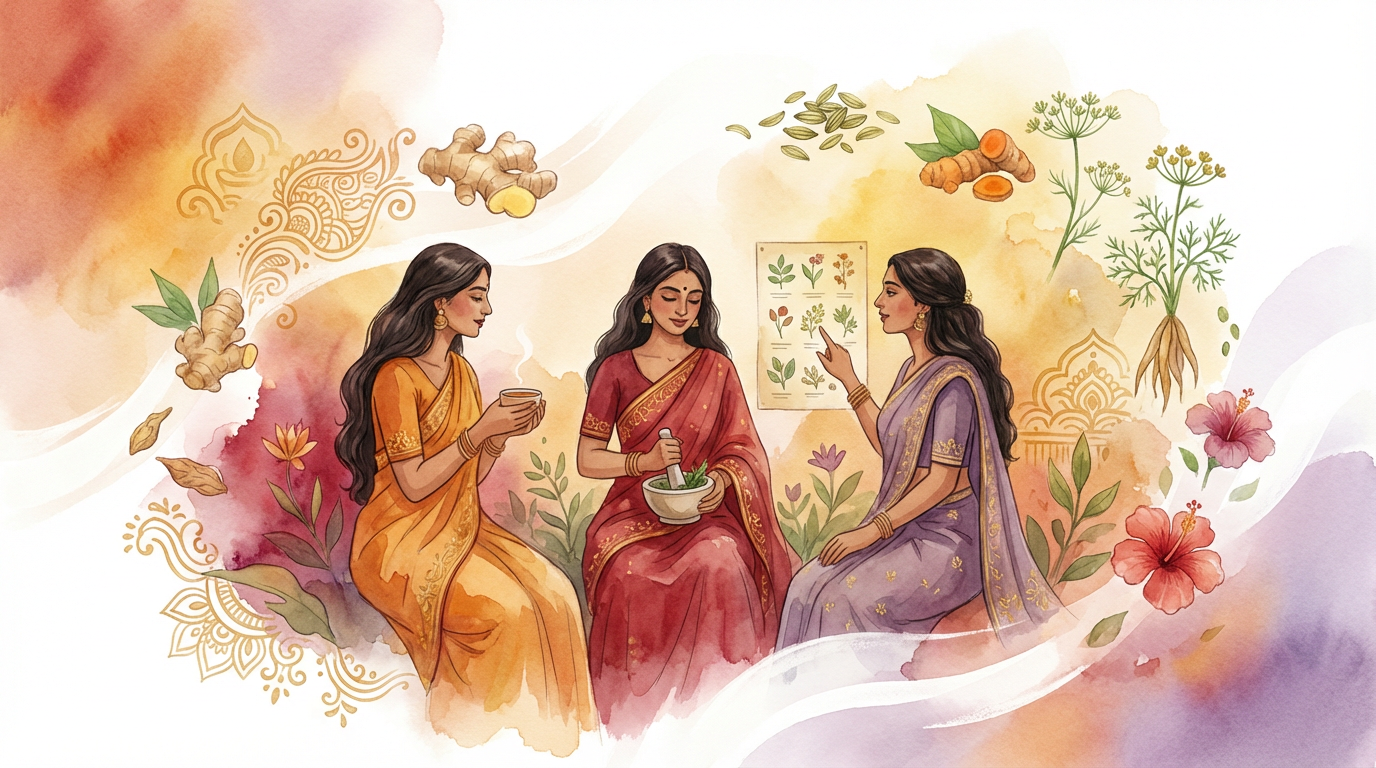
Ayurveda for Menstrual Health: Dosha-Balancing Guide
Discover how ancient Ayurvedic wisdom can transform your menstrual health by understanding your unique dosha and implementing personalized diet, lifestyle, and herbal remedies to achieve a balanced, pain-free, and regular cycle.
Listen to this article
~17 min listen
Click play to generate audio narration with a calming voice
TL;DR Summary
- •Personalized Approach: Ayurveda views menstrual health through the lens of individual doshas (Vata, Pitta, Kapha), offering tailored solutions for cycle imbalances.
- •Holistic Balance: Achieving menstrual harmony involves a holistic approach, integrating diet, lifestyle, stress management, and specific herbs to balance aggravated doshas.
- •Empowerment Through Understanding: Understanding your unique constitution and how it influences your cycle empowers you to make informed choices for a more comfortable and regular period.
Introduction: Can Ayurveda Truly Transform Your Menstrual Cycle?
For centuries, women have sought ways to navigate the intricate dance of their menstrual cycles, often battling discomfort, irregularity, and a myriad of symptoms that can disrupt daily life. While conventional medicine offers valuable insights and treatments, an ancient system of healing, Ayurveda, presents a deeply personalized and holistic path to menstrual well-being. Originating in India over 5,000 years ago, Ayurveda, meaning 'the science of life,' views health not merely as the absence of disease but as a state of balanced harmony within the body, mind, and spirit. When it comes to menstrual health, Ayurveda doesn't offer a one-size-fits-all solution; instead, it delves into the unique energetic blueprint of each individual – their 'dosha' – to understand the root cause of imbalances and provide tailored remedies.
This comprehensive guide will explore how Ayurvedic principles can be applied to foster a healthier, more comfortable, and regular menstrual cycle. We'll demystify the concept of doshas, explain how they influence your period, and provide actionable, evidence-informed advice on diet, lifestyle, and herbal interventions. By understanding your unique constitution and the subtle cues your body offers, you can embark on a journey of profound self-care, transforming your menstrual experience from a monthly struggle into a natural, harmonious rhythm.
What are the Doshas and How Do They Relate to Your Menstrual Cycle?
At the heart of Ayurvedic philosophy are the three fundamental energies, or doshas: Vata, Pitta, and Kapha. These doshas are derived from the five great elements of nature – Space, Air, Fire, Water, and Earth – and govern all physiological and psychological processes in the body. While every individual possesses all three doshas, one or two are typically predominant, forming their unique constitution, or Prakriti. Understanding your dominant dosha is the first step towards personalized Ayurvedic menstrual care.
Each dosha has specific qualities (gunas) that, when out of balance, can manifest as distinct menstrual symptoms. The menstrual cycle itself is largely governed by Vata dosha, particularly its 'Apana Vayu' sub-dosha, which is responsible for downward movement, including menstruation. However, Pitta and Kapha can also become aggravated, leading to their own set of challenges.
Vata Dosha (Air & Space): Characterized by qualities like cold, dry, light, irregular, and mobile. When Vata is balanced, menstruation is regular, relatively pain-free, and the flow is moderate. An aggravated Vata, however, can lead to:
- •Symptoms: Irregular cycles, scanty or painful periods (dysmenorrhea) with sharp, spasmodic pain, bloating, constipation, anxiety, insomnia, mood swings, lower back pain, vaginal dryness, and light, often dark, flow.
- •Why it happens: Excess Vata constricts channels, leading to pain and irregular flow. Its dry and cold qualities can reduce lubrication and create discomfort.
Pitta Dosha (Fire & Water): Characterized by qualities like hot, sharp, oily, intense, and spreading. A balanced Pitta ensures a healthy, moderate flow. When Pitta is aggravated, it can result in:
- •Symptoms: Heavy bleeding (menorrhagia), periods that are too frequent, sharp, burning pain, irritability, anger, hot flashes, acne, rashes, breast tenderness, headaches, and a bright red or purplish flow.
- •Why it happens: Excess Pitta increases heat and inflammation, leading to heavier bleeding, burning sensations, and heightened emotional intensity.
Kapha Dosha (Water & Earth): Characterized by qualities like heavy, slow, cold, moist, dense, and stable. A balanced Kapha contributes to a steady, comfortable cycle. An aggravated Kapha, however, can cause:
- •Symptoms: Prolonged periods, heavy flow with clots, dull, aching pain, lethargy, fluid retention, weight gain, yeast infections, depression, emotional eating, and a thick, sometimes pale, flow.
- •Why it happens: Excess Kapha leads to stagnation, heaviness, and increased mucus production, contributing to prolonged bleeding, sluggishness, and fluid retention.
Understanding your predominant dosha and how these imbalances manifest during your cycle is crucial for implementing targeted Ayurvedic interventions. It's important to remember that it's possible to have imbalances in more than one dosha simultaneously, which can lead to a mix of symptoms. Consulting with an Ayurvedic practitioner can help you accurately assess your doshic constitution and current imbalances.
How Can You Balance Vata Dosha for a More Comfortable Period?
Vata imbalance is arguably the most common culprit behind menstrual discomfort, given its inherent connection to movement and elimination. To soothe an aggravated Vata, the focus is on grounding, warming, lubricating, and regularizing practices.
Dietary Recommendations for Vata Balance:
- •Warm, Cooked Foods: Prioritize warm, nourishing, and easily digestible foods. Think stews, soups, root vegetables, well-cooked grains (oats, rice), and dahl.
- •Healthy Fats: Incorporate ghee (clarified butter), olive oil, and avocado to provide internal lubrication and reduce dryness.
- •Sweet, Sour, Salty Tastes: Favor these tastes, which are grounding and nourishing for Vata. Naturally sweet fruits (ripe bananas, berries), cooked vegetables, and a pinch of good quality salt can be beneficial.
- •Avoid: Cold, raw, dry, and light foods like salads, crackers, and cold drinks. Limit caffeine, carbonated beverages, and excessive spicy or bitter foods.
- •Hydration: Drink warm water, herbal teas (ginger, chamomile, licorice) throughout the day.
- •Regular Meals: Eat at consistent times to establish routine and stability.
Lifestyle Adjustments for Vata Balance:
- •Routine is Key: Establish a regular daily routine for waking, eating, and sleeping. Vata thrives on predictability.
- •Warmth: Keep yourself warm, especially your lower back and abdomen. Use hot water bottles or warm compresses.
- •Gentle Movement: Opt for gentle, grounding exercises like restorative yoga, walking, or tai chi. Avoid vigorous, high-impact activities during your period.
- •Self-Oil Massage (Abhyanga): Daily self-massage with warm sesame oil helps to calm Vata, lubricate the tissues, and promote relaxation. Focus on the abdomen and lower back.
- •Stress Reduction: Practice meditation, deep breathing (pranayama), or mindfulness to calm the nervous system and reduce anxiety.
- •Adequate Rest: Ensure 7-9 hours of quality sleep, especially during your menstrual phase.
Herbal Allies for Vata Menstrual Health:
- •Ashwagandha: An adaptogen that calms the nervous system, reduces stress, and supports hormonal balance.
- •Shatavari: Known as the 'queen of herbs' for women, it nourishes reproductive tissues, reduces dryness, and supports regular cycles.
- •Ginger: Warming and anti-spasmodic, it helps alleviate menstrual pain and bloating. Can be taken as a tea or in powdered form.
- •Dashamoola: A blend of ten roots that is excellent for reducing Vata pain and supporting overall reproductive health.
- •Licorice Root: Soothes inflammation and supports adrenal function, which can be beneficial for stress-related Vata imbalances.
What Should You Do if Pitta Dosha is Causing Menstrual Issues?
When Pitta dosha is imbalanced, the menstrual experience can be marked by excess heat, inflammation, and intensity. The goal of Ayurvedic intervention is to cool, soothe, and detoxify.
Dietary Recommendations for Pitta Balance:
- •Cooling, Sweet, Bitter, Astringent Tastes: Favor foods with these qualities. Think fresh fruits (melons, grapes, berries), cooling vegetables (cucumbers, leafy greens), and mild, non-acidic foods.
- •Grains: Barley, rice, and oats are generally good.
- •Healthy Fats (in moderation): Ghee and coconut oil are cooling and nourishing.
- •Avoid: Pungent, sour, and salty tastes, which can aggravate Pitta. Limit spicy foods, fermented foods, excessive citrus, tomatoes, and red meat. Reduce caffeine and alcohol.
- •Hydration: Drink plenty of room temperature or cool (not iced) water. Herbal teas like peppermint, rose, or hibiscus are excellent.
- •Regular Meals: Avoid skipping meals, which can lead to increased Pitta and irritability.
Lifestyle Adjustments for Pitta Balance:
- •Cool Environment: Avoid excessive heat, sun exposure, and hot showers. Wear breathable clothing.
- •Moderate Exercise: Opt for cooling and calming exercises like swimming, gentle yoga, or walking in nature during cooler parts of the day. Avoid intense, competitive workouts.
- •Emotional Regulation: Pitta imbalance can lead to irritability and anger. Practice calming activities like meditation, spending time in nature, or listening to soothing music. Cultivate forgiveness.
- •Adequate Sleep: Ensure sufficient rest to prevent overheating and burnout.
- •Abhyanga with Cooling Oils: Use coconut oil or sunflower oil for self-massage to cool the body.
Herbal Allies for Pitta Menstrual Health:
- •Shatavari: While good for Vata, it's also excellent for Pitta due to its cooling and nourishing properties, helping to reduce heat and inflammation.
- •Aloe Vera: Internally and externally, aloe vera is incredibly cooling and anti-inflammatory. Can be taken as juice.
- •Neem: A powerful detoxifier and anti-inflammatory herb, beneficial for Pitta-related skin issues and infections.
- •Manjistha: An excellent blood purifier that helps to clear excess heat and toxins from the blood, reducing heavy bleeding and acne.
- •Coriander, Cumin, Fennel (CCF Tea): This combination is a classic Ayurvedic blend for cooling digestion and reducing inflammation. Drink as a tea.
What Are the Best Strategies for Balancing Kapha Dosha During Your Period?
Kapha imbalances often manifest as sluggishness, heaviness, and stagnation, leading to prolonged or heavy periods and a feeling of lethargy. The Ayurvedic approach for Kapha is to stimulate, dry, and lighten.
Dietary Recommendations for Kapha Balance:
- •Warm, Light, Dry Foods: Prioritize warm, spiced, and lightly cooked foods. Focus on bitter, pungent, and astringent tastes.
- •Fresh Fruits & Vegetables: Most fruits and non-starchy vegetables are good. Apples, pears, berries, leafy greens, broccoli, and cauliflower are excellent.
- •Legumes: Lentils and beans are good sources of protein and fiber.
- •Grains: Barley, millet, and quinoa are preferred over heavier grains like wheat and rice.
- •Spices: Liberally use warming and stimulating spices like ginger, black pepper, cinnamon, turmeric, and cardamom to ignite digestion and metabolism.
- •Avoid: Heavy, oily, cold, sweet, and dairy products, which can increase Kapha. Limit ice cream, cheese, fried foods, and excessive amounts of sweet fruits. Reduce salt intake to prevent fluid retention.
- •Hydration: Drink warm water or stimulating herbal teas (ginger, chai spices) throughout the day. Avoid cold drinks.
- •Intermittent Fasting (with caution): For some Kapha types, a light breakfast or occasional fasting can help lighten the digestive load, but this should be approached cautiously, especially during menstruation.
Lifestyle Adjustments for Kapha Balance:
- •Regular, Vigorous Exercise: Engage in stimulating and energizing activities like brisk walking, running, dancing, or power yoga to counteract sluggishness and improve circulation. Exercise daily, especially in the morning.
- •Warmth: Keep warm and avoid damp or cold environments.
- •Stimulating Self-Massage (Garshana): Dry brushing with a silk or raw silk glove before showering helps to stimulate circulation, reduce fluid retention, and invigorate the skin.
- •Early Rising: Wake up before 6 AM to avoid the heavy Kapha time of day.
- •Reduce Napping: Avoid daytime naps, which can increase Kapha and lead to lethargy.
- •Mental Stimulation: Engage in activities that challenge your mind and prevent stagnation.
Herbal Allies for Kapha Menstrual Health:
- •Ginger: Excellent for stimulating digestion, circulation, and reducing congestion and pain.
- •Turmeric: A powerful anti-inflammatory and circulatory stimulant that helps clear stagnation and improve blood flow.
- •Cinnamon: Warming, stimulating, and helps to regulate blood sugar, which can be beneficial for Kapha imbalances.
- •Triphala: A classic Ayurvedic blend of three fruits, it gently detoxifies, supports digestion, and helps with fluid balance. Best taken before bed.
- •Punarnava: Known for its diuretic properties, it helps reduce fluid retention and swelling associated with Kapha imbalance.
- •Guggul: Helps to scrape toxins (ama) from the channels and supports metabolism, beneficial for weight management and sluggishness.
Beyond Doshas: Universal Ayurvedic Tips for Menstrual Wellness
While dosha-specific recommendations are paramount, Ayurveda also offers universal principles that can benefit all individuals seeking better menstrual health, regardless of their dominant dosha. These practices center around nurturing the body, respecting its natural rhythms, and promoting overall vitality.
The Importance of Dinacharya (Daily Routine) and Ritucharya (Seasonal Routine):
- •Consistency: Ayurveda emphasizes the power of routine. Waking, sleeping, and eating at consistent times helps to regulate the body's natural clock and balances all three doshas. This is particularly crucial during menstruation when the body is naturally more sensitive.
- •Mindful Living: Pay attention to seasonal changes and adjust your diet and lifestyle accordingly. For instance, consuming lighter, more cooling foods in summer and warming, nourishing foods in winter.
Agni (Digestive Fire) and Ama (Toxins):
- •Strong Digestion: A robust agni is fundamental to good health. When agni is weak, undigested food particles (ama) accumulate, leading to blockages and imbalances, including menstrual issues. Eat mindfully, chew thoroughly, and avoid overeating.
- •Detoxification: Regularly supporting your body's natural detoxification processes through proper diet and lifestyle can prevent ama buildup and improve overall health, including menstrual regularity and comfort.
Stress Management and Emotional Well-being:
- •Mind-Body Connection: Ayurveda profoundly understands the intricate link between mental and emotional states and physical health. Stress, anxiety, and unexpressed emotions can significantly impact hormonal balance and exacerbate menstrual symptoms.
- •Practices for Calm: Incorporate daily practices like meditation, pranayama (yogic breathing exercises), gentle yoga, spending time in nature, journaling, or engaging in creative pursuits to manage stress and cultivate emotional resilience.
- •Self-Compassion: During your period, practice self-compassion. Allow yourself to rest, nurture your body, and be kind to yourself. This is a time for introspection and renewal, not pushing through exhaustion.
The Power of Herbs and Spices:
- •Beyond the Specifics: While we listed dosha-specific herbs, many common kitchen spices have profound medicinal properties. Turmeric, ginger, cumin, coriander, and fennel are renowned for their anti-inflammatory, digestive, and hormonal-balancing effects. Incorporate them into your daily cooking.
- •Consultation: Always consult with an Ayurvedic practitioner or a qualified healthcare provider before starting any new herbal regimen, especially if you have existing health conditions or are taking medications.
Respecting the Menstrual Flow (Ritu Kala):
- •Rest and Retreat: In traditional Ayurveda, the menstrual phase is considered a sacred time for rest, introspection, and rejuvenation. While modern life often doesn't allow for complete retreat, try to minimize strenuous activities, reduce social obligations, and prioritize rest.
- •Nourishment: Focus on easily digestible, warm, and nourishing foods. Avoid cold or raw foods that can tax the digestive system.
- •Gentle Movement: Light stretching or restorative yoga can be beneficial, but avoid inversions or vigorous exercise during heavy flow.
By integrating these universal principles with your dosha-specific recommendations, you create a truly holistic and empowering approach to menstrual health. Ayurveda encourages you to become an active participant in your well-being, learning to listen to your body's unique language and respond with wisdom and care.
Key Takeaways
- •Personalized Care: Ayurveda emphasizes individual doshic constitution (Vata, Pitta, Kapha) to address the root causes of menstrual imbalances.
- •Vata Balance: Focus on warmth, regularity, grounding, and nourishing foods/oils to alleviate pain, irregularity, and anxiety.
- •Pitta Balance: Prioritize cooling, soothing, and detoxifying practices, avoiding heat, intensity, and inflammatory foods to reduce heavy bleeding and irritability.
- •Kapha Balance: Emphasize stimulating, lightening, and warming practices, incorporating vigorous exercise and pungent spices to counter sluggishness and heavy flow.
- •Holistic Approach: Beyond doshas, universal Ayurvedic principles like consistent routines (Dinacharya), strong digestion (Agni), stress management, and mindful living are crucial for overall menstrual wellness.
- •Empowerment: Understanding your body's unique needs through an Ayurvedic lens empowers you to make informed choices for a more harmonious and comfortable menstrual cycle.
FAQ Section
Q1: How do I find out my dominant dosha?
A1: The most accurate way to determine your dominant dosha (Prakriti) and current imbalances (Vikriti) is to consult with a qualified Ayurvedic practitioner. They will assess your physical characteristics, mental tendencies, emotional patterns, and health history through a detailed consultation. Online dosha quizzes can offer a general idea but are not as precise as a professional assessment.
Q2: Can Ayurveda help with severe menstrual pain (dysmenorrhea)?
A2: Yes, Ayurveda offers effective strategies for managing and reducing severe menstrual pain. Often, dysmenorrhea is linked to aggravated Vata dosha, leading to spasmodic pain due to constricted channels. Ayurvedic treatments focus on calming Vata through warm, grounding foods, specific herbal formulations (like ginger, Dashamoola, Shatavari), abdominal oil massage, and stress reduction techniques. Pitta imbalances can also cause sharp, burning pain, addressed with cooling and anti-inflammatory remedies.
Q3: Is it safe to use Ayurvedic herbs alongside conventional medication?
A3: It is crucial to consult with both your Ayurvedic practitioner and your conventional healthcare provider before combining Ayurvedic herbs with prescription medications. Some herbs can interact with drugs, alter their efficacy, or increase side effects. A qualified practitioner can guide you on safe and effective integration.
Q4: How long does it take to see results from Ayurvedic menstrual health practices?
A4: The time frame for seeing results varies depending on the severity and chronicity of the imbalance, as well as the individual's consistency with the recommendations. Some individuals may notice improvements in a few weeks or one to two cycles, while more deeply rooted issues might require several months of consistent practice. Ayurveda emphasizes gradual, sustainable change rather than quick fixes.
Q5: Can I practice Ayurveda for menstrual health if I have conditions like PCOS or Endometriosis?
A5: Yes, Ayurveda offers a holistic framework that can be highly beneficial for managing conditions like PCOS (Polycystic Ovary Syndrome) and Endometriosis. These conditions are often viewed through the lens of specific doshic imbalances (e.g., Kapha and Vata for PCOS, Pitta and Vata for Endometriosis) and accumulation of ama. Ayurvedic treatment plans would involve personalized dietary changes, lifestyle modifications, specific herbal formulations, and detoxification therapies to address the root causes, manage symptoms, and improve overall reproductive health. However, it's essential to work under the guidance of an experienced Ayurvedic practitioner who specializes in women's health, in conjunction with your conventional medical care.
Q6: Should I avoid certain Ayurvedic practices during my period?
A6: During menstruation, Ayurveda generally recommends a period of rest and introspection. While gentle movement like restorative yoga is fine, vigorous exercise, inversions, and intense detoxification procedures (like Panchakarma) are typically advised against. The focus should be on nurturing the body, supporting the downward flow (Apana Vayu), and conserving energy. Heavy or cold foods should also be avoided. Light, warm, and easily digestible meals are preferred.
Q7: What role does stress play in Ayurvedic menstrual health?
A7: Stress is considered a significant factor in exacerbating all doshic imbalances, particularly Vata. Chronic stress can disrupt hormonal balance, leading to irregular periods, increased pain, mood swings, and other menstrual issues. Ayurveda emphasizes stress management through practices like meditation, pranayama (breathwork), yoga, adequate sleep, and maintaining a consistent daily routine (Dinacharya) to calm the nervous system and support a harmonious menstrual cycle.
Cite this article
PERIODiQ Editorial Team (2026). "Ayurveda for Menstrual Health: Dosha-Balancing Guide." PERIODiQ. https://periodiq.app/library/ayurveda-for-menstrual-health-dosha-balancing-guide
"Ayurveda for Menstrual Health: Dosha-Balancing Guide." PERIODiQ, 2026, https://periodiq.app/library/ayurveda-for-menstrual-health-dosha-balancing-guide.
Send this to a friend — PERIODiQ is free for them too. No card. No paywall.
Loved this? Save articles, track your cycle, and unlock meditations — free forever.
Disclaimer: PERIODiQ™ offers general wellness information only. It does not provide medical advice, diagnosis, or treatment. Always speak with a licensed health professional about your health.