
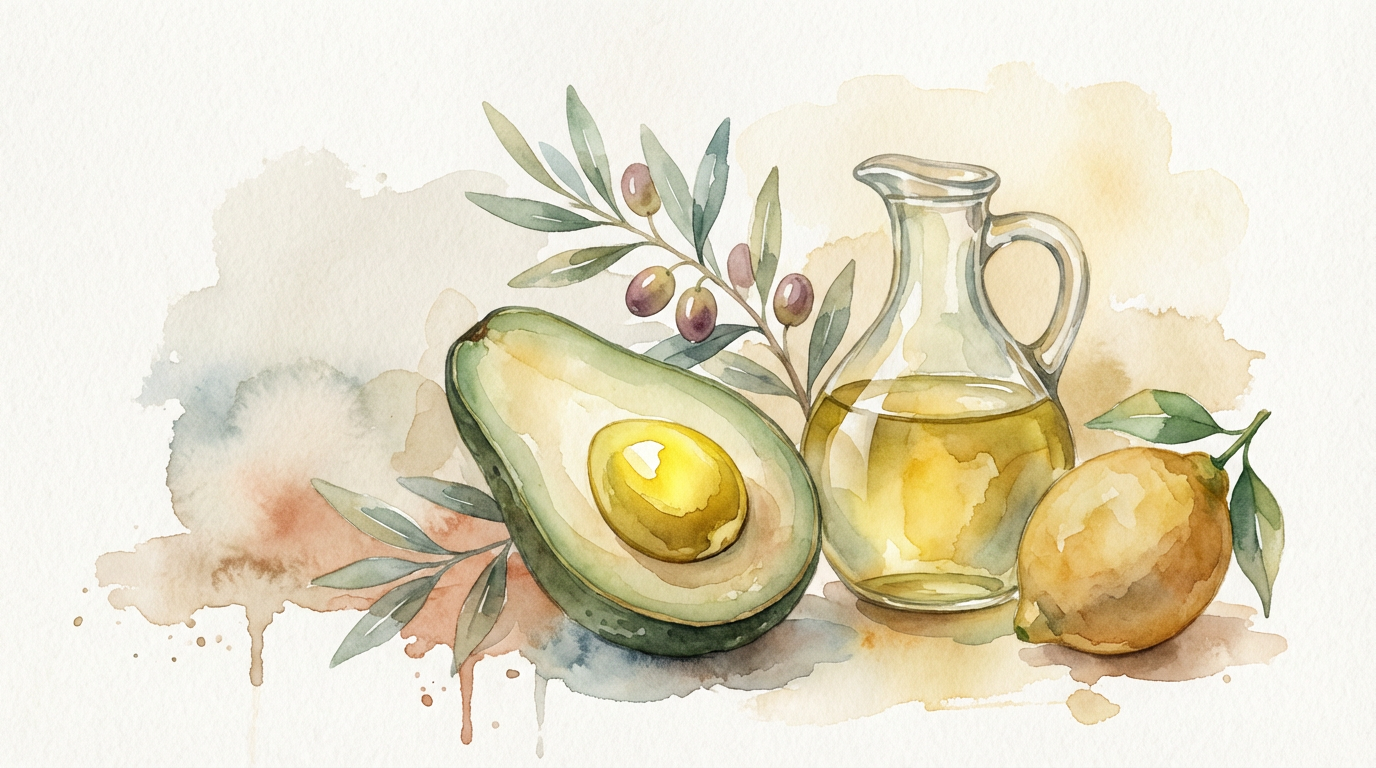
Avocado, Olive Oil & Healthy Fats: The Mediterranean Hormone Trio
Generated article about Avocado, Olive Oil & Healthy Fats: The Mediterranean Hormone Trio
Listen to this article
~20 min listen
Click play to generate audio narration with a calming voice
TL;DR Summary
- •Avocado, olive oil, and other healthy fats are foundational for hormone production and regulation in women.
- •These Mediterranean fats help reduce systemic inflammation, improve insulin sensitivity, and provide crucial fat-soluble vitamins essential for hormonal health.
- •Incorporating these fats supports menstrual regularity, fertility, healthy pregnancy outcomes, and smoother transitions through perimenopause and menopause.
Introduction
Avocado, olive oil, and a diverse array of healthy fats are not merely culinary delights; they are fundamental pillars of women's hormonal health, particularly when embraced within a Mediterranean eating pattern. These nutrient-dense powerhouses provide the essential building blocks for hormone synthesis, help regulate inflammation, and support overall endocrine function. For women seeking to optimize their hormone balance—whether navigating menstrual cycles, fertility journeys, pregnancy, or menopause—integrating these specific fats is a strategic and delicious way to nurture their bodies from within.
Why Are Healthy Fats Essential for Hormone Balance?
Healthy fats are absolutely essential for hormone balance because hormones, particularly steroid hormones like estrogen, progesterone, and testosterone, are derived from cholesterol, which your body synthesizes from fats. Without adequate intake of healthy fats, your body struggles to produce these vital chemical messengers, leading to potential imbalances and a cascade of symptoms. These beneficial fats, particularly monounsaturated and polyunsaturated fats found in foods like avocado and olive oil, also play critical roles in reducing systemic inflammation, improving cell membrane integrity, and enhancing nutrient absorption, all of which directly impact hormonal regulation and overall cellular communication.
How Do Healthy Fats Support Hormone Production?
Healthy fats directly support hormone production by providing the necessary precursors for steroid hormone synthesis. Cholesterol, often demonized, is in fact the backbone of all steroid hormones, including estrogen, progesterone, and androgens. Your body needs a steady supply of this cholesterol, which it can make itself, but also benefits from dietary sources of healthy fats that support its production and utilization. Beyond cholesterol, healthy fats contribute to the synthesis of prostaglandins, hormone-like compounds that regulate inflammation, blood clotting, and uterine contractions, which are particularly relevant for menstrual health and fertility.
What Role Do Healthy Fats Play in Reducing Inflammation?
Healthy fats play a crucial role in reducing inflammation through various mechanisms, primarily by influencing the production of anti-inflammatory compounds and improving cellular signaling. Omega-3 fatty acids, a type of polyunsaturated fat found in certain nuts, seeds, and fatty fish (often consumed in Mediterranean diets), are precursors to eicosanoids that have potent anti-inflammatory effects. Monounsaturated fats, abundant in olive oil and avocado, also contribute to an anti-inflammatory state by modulating immune responses and protecting cells from oxidative stress. Chronic inflammation can disrupt hormone pathways, exacerbate conditions like PCOS and endometriosis, and worsen menopausal symptoms, making the anti-inflammatory properties of these fats incredibly valuable for women's health.
Can Healthy Fats Improve Insulin Sensitivity?
Yes, healthy fats can significantly improve insulin sensitivity, which is vital for hormone balance, especially in conditions like Polycystic Ovary Syndrome (PCOS). Insulin resistance, where cells don't respond effectively to insulin, leads to higher insulin levels, which in turn can stimulate the ovaries to produce more androgens (male hormones) and disrupt ovulation. Monounsaturated fats (MUFAs) and polyunsaturated fats (PUFAs) have been shown to enhance insulin signaling and reduce insulin resistance. By stabilizing blood sugar and improving insulin sensitivity, these healthy fats help to regulate androgen levels and support more balanced hormonal profiles, making them a key component for women managing blood sugar and avocado hormones connections.
Avocado: A Creamy Powerhouse for Hormones
Avocado is a nutritional powerhouse, celebrated for its creamy texture and rich nutrient profile, making it an exceptional food for supporting hormone balance. This fruit is packed with monounsaturated fats, primarily oleic acid, which is renowned for its anti-inflammatory properties and ability to improve insulin sensitivity. Beyond fats, avocados offer a unique blend of fiber, potassium, magnesium, and vitamins B6, C, E, and K, all of which play synergistic roles in promoting hormonal health. The fiber content aids in estrogen detoxification, while magnesium and B6 are critical for neurotransmitter production and stress response, indirectly influencing hormone regulation.
What Nutrients in Avocado Support Hormone Function?
Avocado's rich nutritional profile offers several key nutrients that directly support hormone function. Its high content of monounsaturated fats (MUFAs) helps in the synthesis of steroid hormones and improves cell membrane fluidity, allowing for better hormone receptor function. Avocado hormones are well-supported by: Vitamin B6, crucial for the production of neurotransmitters like serotonin and dopamine, which influence mood and can indirectly impact hormonal regulation, especially PMS symptoms. Folate, another B vitamin, is essential for cell division and DNA synthesis, vital for reproductive health. Furthermore, the fiber in avocado promotes healthy gut bacteria, which are instrumental in metabolizing and excreting excess estrogens, preventing reabsorption and maintaining a healthy estrogen balance. Potassium and magnesium contribute to electrolyte balance and nerve function, reducing stress and supporting overall endocrine system health.
How Does Avocado Aid in Estrogen Metabolism?
Avocado aids in estrogen metabolism primarily through its high fiber content and beneficial fats. The soluble and insoluble fiber in avocado supports a healthy gut microbiome. A balanced gut flora (the "estrobolome") produces an enzyme called beta-glucuronidase, which helps to deconjugate (reactivate) estrogen that the liver has already processed for excretion. When the gut is healthy, this enzyme activity is balanced, allowing for proper elimination of excess estrogen. Conversely, an imbalanced gut can lead to excessive reabsorption of estrogen, contributing to estrogen dominance. The healthy fats in avocado also support liver function, which is the primary organ responsible for detoxifying and metabolizing hormones, ensuring they are properly processed and eliminated from the body. This is crucial for maintaining a healthy women's health balance.
Olive Oil: The Liquid Gold of the Mediterranean Diet
Olive oil, particularly extra virgin olive oil (EVOO), is a cornerstone of the Mediterranean diet and a celebrated 'liquid gold' for its profound health benefits, especially concerning hormone balance. Rich in monounsaturated fatty acids (MUFAs), primarily oleic acid, EVOO is also packed with powerful antioxidants like polyphenols and vitamin E. These compounds work synergistically to reduce inflammation, protect cells from oxidative damage, and support cardiovascular health, all of which indirectly contribute to a well-functioning endocrine system. The anti-inflammatory properties of olive oil women health benefits are well-documented, making it a stellar choice for women at all life stages.
What Makes Extra Virgin Olive Oil Beneficial for Hormones?
Extra virgin olive oil (EVOO) is particularly beneficial for hormones due to its unique composition of monounsaturated fats and potent bioactive compounds. The high concentration of oleic acid (a MUFA) in EVOO has been shown to reduce inflammation and improve insulin sensitivity, both critical factors in hormonal regulation. Furthermore, EVOO is rich in polyphenols, which are powerful antioxidants that combat oxidative stress. Oxidative stress can damage cells and disrupt hormone signaling, so these antioxidants offer significant protection. Polyphenols also have direct anti-inflammatory effects that can soothe the body's systems, creating a more conducive environment for balanced hormone production and function. The Mediterranean fats found in EVOO are truly beneficial.
How Does Olive Oil Contribute to Anti-Inflammatory Pathways?
Olive oil contributes to anti-inflammatory pathways through its high content of oleic acid and specific phenolic compounds, such as oleocanthal. Oleocanthal has been shown to possess anti-inflammatory properties similar to ibuprofen, inhibiting the same inflammatory enzymes. This direct action helps to quell systemic inflammation, which is a common underlying factor in many hormonal imbalances, including painful periods, endometriosis, and some aspects of menopausal discomfort. By reducing chronic inflammation, olive oil helps create an optimal environment for hormone receptors to function effectively and for the endocrine system to maintain its delicate balance, directly impacting healthy fats hormones interactions.
Other Healthy Fats for Hormonal Harmony
While avocado and olive oil are stars, a diverse array of other healthy fats contributes significantly to hormonal harmony. These include fatty fish rich in omega-3s, nuts and seeds, and certain plant oils. Incorporating a variety of these fats ensures a broad spectrum of fatty acids, fat-soluble vitamins, and antioxidants, all working together to support endocrine function, reduce inflammation, and enhance overall well-being. Diversifying your healthy fat sources is key to a robust and resilient hormonal system.
What About Omega-3 Fatty Acids for Hormone Health?
Omega-3 fatty acids, particularly EPA (eicosapentaenoic acid) and DHA (docosahexaenoic acid), are indispensable for hormone health due to their profound anti-inflammatory effects and role in cell membrane integrity. These essential polyunsaturated fats, found abundantly in fatty fish (salmon, mackerel, sardines), flaxseeds, chia seeds, and walnuts, are precursors to eicosanoids that help regulate inflammation, blood clotting, and blood vessel constriction. For hormone health, omega-3s can alleviate symptoms of PMS, reduce menstrual pain, and improve fertility outcomes by enhancing egg quality and uterine blood flow. They also play a role in brain health, influencing mood and cognitive function, which are often impacted by hormonal fluctuations. This is a critical aspect of healthy fats hormones connections.
Which Nuts and Seeds Offer Hormonal Benefits?
Many nuts and seeds offer substantial hormonal benefits due to their healthy fat profiles, fiber, and micronutrients. Flaxseeds are particularly noteworthy for their lignans, which have phytoestrogenic properties that can help balance estrogen levels by weakly binding to estrogen receptors and promoting the excretion of excess estrogen. Chia seeds are rich in omega-3s, fiber, and protein, supporting gut health and blood sugar regulation. Walnuts provide alpha-linolenic acid (ALA), a plant-based omega-3, along with antioxidants. Almonds and Brazil nuts offer magnesium, selenium, and vitamin E, all crucial for thyroid function and overall endocrine health. Incorporating a variety of these nuts and seeds can provide a powerful cocktail of nutrients for women's health and hormone balance.
Benefits by Life Stage
Menstrual Health (periods, cramps, PMS)
For menstrual health, the Mediterranean fats from avocado and olive oil, along with other healthy fats, are incredibly beneficial. Their anti-inflammatory properties help to reduce the severity of menstrual cramps by modulating prostaglandin production, which are hormone-like compounds that cause uterine contractions. Omega-3s, in particular, have been shown to significantly decrease menstrual pain and reduce the need for pain medication. The vitamin B6 in avocado can help with PMS symptoms by aiding in neurotransmitter synthesis, improving mood and reducing irritability. Furthermore, the fiber content in avocados supports healthy estrogen metabolism, which can alleviate symptoms associated with estrogen dominance like heavy periods and breast tenderness. By stabilizing blood sugar, these fats also prevent the energy crashes and cravings often experienced during the luteal phase, contributing to a smoother menstrual cycle. Regular intake of these fats can lead to more predictable and less painful periods.
Fertility Journey (TTC, ovulation, conception)
During the fertility journey, healthy fats are paramount for optimizing ovulation, egg quality, and creating a receptive uterine environment. Avocado hormones are especially beneficial due to their monounsaturated fats, which have been linked to improved success rates in IVF. These fats contribute to better insulin sensitivity, which is crucial for women with PCOS trying to conceive, as insulin resistance can disrupt ovulation. Omega-3 fatty acids from sources like fatty fish and flaxseeds reduce inflammation in the reproductive organs, improve blood flow to the uterus and ovaries, and enhance egg quality. They also play a role in the development of healthy cell membranes, which is vital for egg and sperm health. Olive oil women health benefits extend to fertility by promoting overall reproductive health through its anti-inflammatory and antioxidant properties, protecting delicate reproductive cells from damage and fostering an optimal environment for conception. Adequate healthy fat intake is foundational for successful conception and early pregnancy.
Pregnancy (trimesters, prenatal care)
Throughout pregnancy, healthy fats are not just beneficial for the mother but are absolutely critical for fetal development. Omega-3 fatty acids, particularly DHA, are essential for the development of the baby's brain, eyes, and nervous system. Avocado hormones contributions continue here, as its folate content is vital for preventing neural tube defects, and its healthy fats support the absorption of fat-soluble vitamins (A, D, E, K) that are crucial for both maternal and fetal health. Olive oil women health benefits during pregnancy include supporting healthy weight gain, reducing inflammation, and potentially lowering the risk of gestational diabetes through improved insulin sensitivity. These fats provide sustained energy for the mother, help manage blood sugar fluctuations, and support the growth of healthy placental tissue. Ensuring a consistent intake of diverse healthy fats is a cornerstone of comprehensive prenatal care, supporting a healthy pregnancy and optimal development for the baby.
Menopause (perimenopause, hormonal changes)
During perimenopause and menopause, healthy fats play a vital role in managing the significant hormonal shifts and associated symptoms. As estrogen levels decline, women often experience increased inflammation, hot flashes, mood swings, and a higher risk of cardiovascular disease and bone loss. The anti-inflammatory properties of Mediterranean fats like those in avocado and olive oil can help mitigate hot flashes and joint pain. Healthy fats hormones connections are crucial here; these fats support overall cellular health and can indirectly help in mood regulation by supporting brain health and neurotransmitter production, alleviating some of the anxiety and depression often associated with menopause. Furthermore, monounsaturated fats and omega-3s contribute to cardiovascular health, which becomes even more critical post-menopause. They also aid in the absorption of vitamin D, which is essential for bone health. By providing sustained energy and improving insulin sensitivity, these fats can help manage weight fluctuations and reduce the risk of metabolic syndrome, common concerns during this life stage. Embracing these fats can lead to a smoother, more comfortable transition through menopause.
Key Takeaways
- •Healthy fats—especially from avocado and olive oil—are fundamental for synthesizing steroid hormones like estrogen and progesterone.
- •These fats actively reduce systemic inflammation, crucial for alleviating menstrual pain, supporting fertility, and managing menopausal symptoms.
- •Avocado and olive oil improve insulin sensitivity, a key factor in balancing hormones, particularly for conditions like PCOS.
- •Avocado provides fiber for estrogen detoxification and essential B vitamins for mood and stress response.
- •Extra virgin olive oil's polyphenols offer powerful antioxidant protection against cellular damage and promote anti-inflammatory pathways.
- •Diverse healthy fats, including omega-3s from fish and lignans from flaxseeds, expand hormonal benefits across all life stages.
Frequently Asked Questions
Q: How much avocado and olive oil should I consume daily for hormone balance?
For optimal hormone balance, aim for about half to one whole avocado daily, and 1-2 tablespoons of extra virgin olive oil. These are general guidelines, and individual needs may vary based on overall diet, activity level, and specific health goals. Listen to your body and consult with a healthcare professional or registered dietitian for personalized advice.
Q: Can healthy fats help with PCOS symptoms?
Yes, healthy fats can significantly help with PCOS symptoms. Monounsaturated fats (MUFAs) and polyunsaturated fats (PUFAs) found in avocado, olive oil, nuts, and seeds improve insulin sensitivity, which is a cornerstone of PCOS management. By reducing insulin resistance, these fats can help lower androgen levels, regulate menstrual cycles, and improve ovulation, thereby addressing key aspects of PCOS.
Q: Are all fats good for hormone health, or only certain types?
Not all fats are created equal for hormone health. While healthy fats like monounsaturated fats (avocado, olive oil) and polyunsaturated fats (omega-3s from fish, flaxseeds) are highly beneficial, trans fats (found in processed foods) and excessive amounts of saturated fats can be detrimental. These unhealthy fats can promote inflammation, impair insulin sensitivity, and negatively impact hormone production and function. Focus on whole, unprocessed sources of healthy fats.
Q: How do healthy fats impact mood during hormonal fluctuations?
Healthy fats, especially omega-3 fatty acids, play a crucial role in brain health and neurotransmitter function. They contribute to the structure of brain cells and support the production of mood-regulating neurotransmitters like serotonin and dopamine. By reducing inflammation in the brain and improving overall neurological health, healthy fats can help stabilize mood, reduce anxiety, and alleviate symptoms of depression often associated with hormonal fluctuations during PMS, perimenopause, and menopause.
Q: Can healthy fats help reduce hot flashes during menopause?
While healthy fats are not a direct cure for hot flashes, their anti-inflammatory properties can indirectly help. Chronic inflammation can exacerbate menopausal symptoms, including hot flashes. By reducing systemic inflammation, particularly through the consumption of omega-3s and the polyphenols in olive oil, healthy fats can contribute to a more balanced internal environment, potentially lessening the frequency or intensity of hot flashes. They also support overall well-being, which can improve coping mechanisms during this transitional phase.
Q: Is it possible to consume too many healthy fats?
While healthy fats are beneficial, it is possible to consume too much, especially in terms of caloric intake. Fats are calorie-dense, so overconsumption can lead to weight gain, which itself can impact hormone balance. The key is moderation and balance within your overall dietary pattern. Focus on integrating healthy fats as part of a balanced diet rich in whole foods, vegetables, fruits, and lean proteins, rather than adding excessive amounts without considering your total energy needs.
Q: How does fiber in avocado help with hormone balance?
The fiber in avocado, both soluble and insoluble, plays a significant role in hormone balance, particularly estrogen metabolism. It supports a healthy gut microbiome, which is essential for the proper breakdown and elimination of excess estrogen from the body. A well-functioning gut prevents the reabsorption of metabolized estrogen, thereby helping to maintain healthy estrogen levels and prevent estrogen dominance, which can contribute to various hormonal issues.
Start Your Wellness Journey Today
Ready to track your cycle, fertility, pregnancy, or menopause journey? Download PERIODiQ - your iQ-powered wellness companion designed for every stage of your health journey.
Get PERIODiQ Free: https://periodiq.app
Your Wellness Journey Starts Here
Download PERIODiQ
Scan the QR code or tap the link to get started with your personalized health tracking.
periodiq.app • iOS & Android
Cite this article
PERIODiQ Editorial Team (2026). "Avocado, Olive Oil & Healthy Fats: The Mediterranean Hormone Trio." PERIODiQ. https://periodiq.app/library/avocado-olive-oil-healthy-fats-the-mediterranean-hormone-trio
"Avocado, Olive Oil & Healthy Fats: The Mediterranean Hormone Trio." PERIODiQ, 2026, https://periodiq.app/library/avocado-olive-oil-healthy-fats-the-mediterranean-hormone-trio.
Send this to a friend — PERIODiQ is free for them too. No card. No paywall.
Loved this? Save articles, track your cycle, and unlock meditations — free forever.
Disclaimer: PERIODiQ™ offers general wellness information only. It does not provide medical advice, diagnosis, or treatment. Always speak with a licensed health professional about your health.