African Superfoods for Hormonal Balance & Women's Wellness
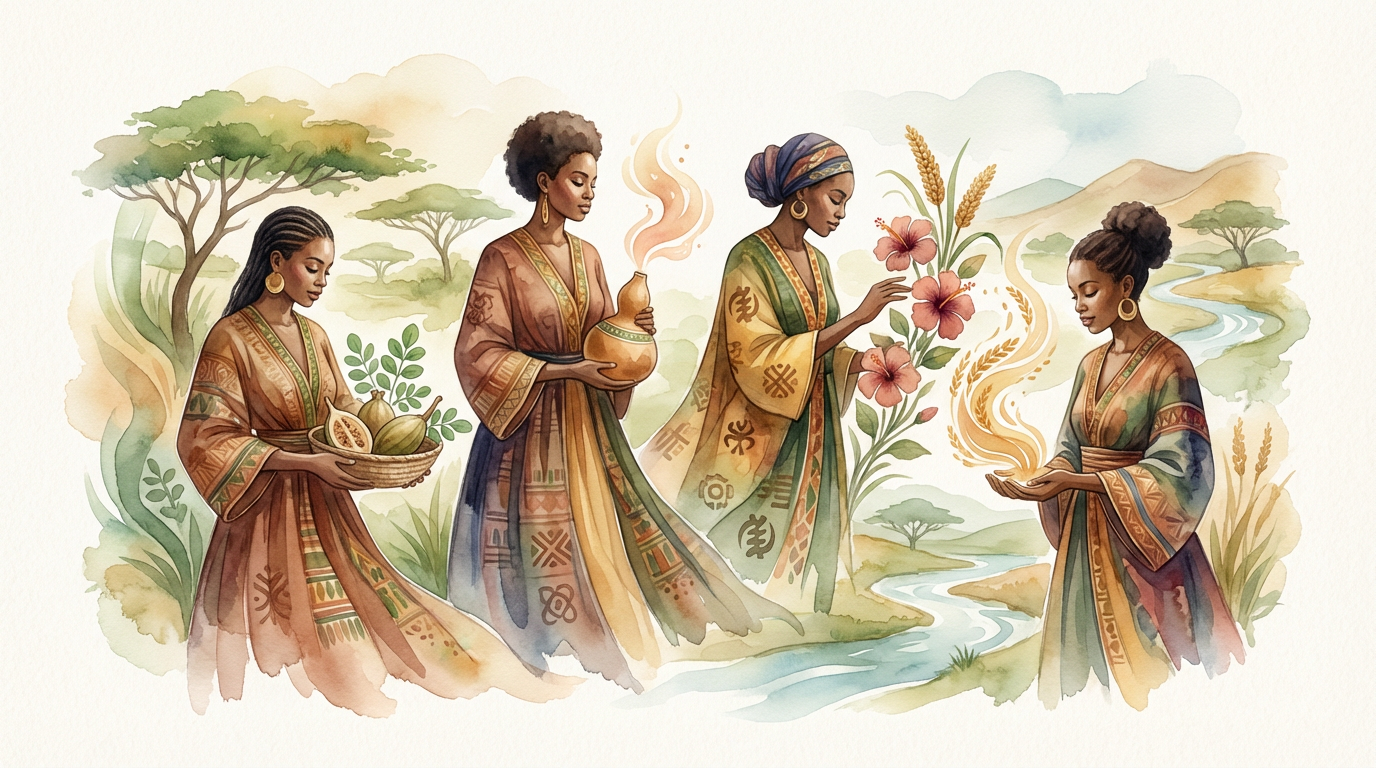
African superfoods offer a wealth of nutrients vital for women's hormonal health, supporting everything from fertility to menopause. Integrating these traditional ingredients can help balance hormones naturally, leveraging ancestral wisdom for modern wellness.
Listen to this article
~13 min listen
Click play to generate audio narration with a calming voice
TL;DR Summary
- •African superfoods are nutrient-dense powerhouses that support hormonal balance, fertility, and overall women's wellness through all life stages.
- •Ancestral wisdom and traditional practices highlight ingredients like moringa, baobab, hibiscus, and various root vegetables for their profound health benefits.
- •Incorporating these foods into a balanced diet can naturally regulate cycles, reduce PMS symptoms, support reproductive health, and ease menopausal transitions.
Introduction: How Can African Superfoods Support Hormonal Health?
African superfoods are a vibrant, nutrient-rich category of traditional ingredients that offer profound benefits for women's hormonal health. These foods, deeply rooted in ancestral wisdom and community wellness practices across the African continent, provide essential vitamins, minerals, antioxidants, and unique compounds that can help regulate the intricate dance of hormones in a woman's body. For women balancing demanding careers, fertility planning, and family life, incorporating these culturally significant foods can be a powerful, holistic strategy to achieve and maintain hormonal equilibrium, supporting everything from menstrual cycle regularity and fertility to managing symptoms of perimenopause and menopause.
Our hormones—estrogen, progesterone, testosterone, cortisol, and thyroid hormones, among others—govern nearly every physiological process, including metabolism, mood, energy levels, sleep, and reproductive function. When these hormones are out of balance, symptoms can range from irregular periods and mood swings to fatigue, weight fluctuations, and difficulty conceiving. Traditional African diets, rich in whole, unprocessed foods, have long recognized the medicinal properties of various plants, fruits, and seeds. Modern science is now validating what our ancestors knew: these superfoods are indeed powerful allies in the quest for optimal hormonal health.
This comprehensive guide will explore specific African superfoods, their nutritional profiles, and how they contribute to hormonal balance, offering actionable advice for their integration into a modern lifestyle while honoring their cultural significance. We aim to provide evidence-based insights, coupled with an empathetic understanding of the challenges and aspirations of contemporary women.
What Makes African Superfoods So Beneficial for Hormonal Balance?
African superfoods are not just sustenance; they are often considered medicine, deeply integrated into traditional healing systems. Their efficacy in supporting hormonal health stems from several key characteristics:
- •Rich Nutrient Density: They are packed with essential vitamins (A, C, E, B vitamins), minerals (iron, magnesium, zinc, calcium, selenium), and trace elements crucial for hormone synthesis and metabolism.
- •Potent Antioxidants: High levels of antioxidants combat oxidative stress, which can damage cells and disrupt endocrine function, leading to hormonal imbalances. Antioxidants protect hormone-producing glands and improve overall cellular health.
- •Anti-inflammatory Properties: Chronic inflammation is a significant driver of hormonal dysfunction, contributing to conditions like PCOS and endometriosis. Many African superfoods possess powerful anti-inflammatory compounds that help soothe the body.
- •Fiber Content: Abundant dietary fiber aids in gut health, which is intrinsically linked to hormone regulation. A healthy gut microbiome helps metabolize and excrete excess hormones, particularly estrogen, preventing recirculation and potential dominance.
- •Phytoestrogens: Some African superfoods contain phytoestrogens, plant compounds that can weakly mimic estrogen in the body. They can bind to estrogen receptors, potentially helping to balance estrogen levels, especially during fluctuating periods like perimenopause.
- •Adaptogenic Qualities: Certain superfoods help the body adapt to stress, which is critical for managing cortisol levels. Chronic stress can negatively impact sex hormones, thyroid function, and overall hormonal equilibrium.
Which African Superfoods Are Key for Women's Hormonal Health?
Let's delve into specific African superfoods and their unique contributions to hormonal well-being.
Moringa (Moringa oleifera): The "Miracle Tree" for Endocrine Support
Moringa, often called the "miracle tree" or "tree of life," is native to parts of Africa and Asia, revered for its exceptional nutritional profile. Its leaves are particularly potent.
Nutritional Profile & Benefits:
- •Vitamins & Minerals: Rich in Vitamin A, C, E, K, B vitamins, calcium, potassium, iron, protein, and amino acids. Iron is crucial for preventing anemia, which can exacerbate fatigue and hormonal issues.
- •Antioxidants: Contains over 40 antioxidants, including quercetin, chlorogenic acid, and beta-carotene, which protect cells from oxidative damage.
- •Anti-inflammatory: Isothiocyanates in moringa provide significant anti-inflammatory effects.
- •Hormonal Impact:
- •Thyroid Support: Optimal levels of zinc, selenium, and B vitamins in moringa are vital for thyroid hormone production and conversion, crucial for metabolism and energy.
- •Stress Reduction: Its adaptogenic properties may help lower cortisol levels, indirectly supporting sex hormone balance.
- •Blood Sugar Regulation: Moringa can help stabilize blood sugar, preventing insulin spikes that can disrupt ovarian function and contribute to PCOS.
Cultural Significance: In many African communities, moringa is a staple, used not just for food but also in traditional medicine for various ailments, often given to new mothers for lactation support and general well-being.
Actionable Advice: Add moringa powder to smoothies, soups, stews, or sprinkle on salads. Fresh leaves can be cooked like spinach.
Baobab (Adansonia digitata): The "Tree of Life" for Gut and Hormone Health
From the iconic baobab tree, native to the African savanna, comes a fruit pulp that dries naturally on the branch, offering a highly nutritious powder.
Nutritional Profile & Benefits:
- •Vitamin C Powerhouse: Exceptionally high in Vitamin C (more than oranges), vital for adrenal health, collagen production, and immune function.
- •Dietary Fiber: Rich in both soluble and insoluble fiber, promoting excellent gut health. A healthy gut microbiome is crucial for metabolizing and excreting excess estrogen, preventing reabsorption and potential estrogen dominance.
- •Prebiotics: The fiber acts as a prebiotic, feeding beneficial gut bacteria.
- •Minerals: Contains potassium, magnesium, and calcium.
- •Antioxidants: High ORAC value, indicating strong antioxidant capacity.
Hormonal Impact:
- •Estrogen Metabolism: By supporting gut health, baobab aids in the proper elimination of estrogen metabolites, helping to maintain balance.
- •Stress Response: Vitamin C is critical for adrenal gland function, which produces cortisol. Adequate Vitamin C can help the body cope with stress more effectively, indirectly supporting sex hormone balance.
- •Blood Sugar Stability: Fiber helps slow sugar absorption, aiding in stable blood glucose levels.
Cultural Significance: Baobab fruit, leaves, and bark have been used for centuries in traditional African medicine for fever, diarrhea, and other ailments. Its fruit is a refreshing and nourishing food source.
Actionable Advice: Mix baobab powder into water, juice, smoothies, yogurt, or oatmeal. Its tangy, citrusy flavor is delightful.
Hibiscus (Hibiscus sabdariffa): The "Roselle" for Blood Pressure and Menstrual Comfort
Hibiscus, particularly the Hibiscus sabdariffa variety (known as roselle), is widely cultivated across Africa. Its vibrant red calyces are used to make refreshing beverages and medicinal teas.
Nutritional Profile & Benefits:
- •Antioxidants: Rich in anthocyanins and flavonoids, powerful antioxidants.
- •Vitamin C: Contributes to immune health and collagen synthesis.
- •Minerals: Contains trace amounts of iron and calcium.
Hormonal Impact:
- •Blood Pressure Regulation: Studies show hibiscus can significantly lower blood pressure, which is beneficial for overall cardiovascular health and can be a concern during perimenopause.
- •Menstrual Comfort: Traditionally used to alleviate menstrual cramps and discomfort. Its anti-inflammatory properties may contribute to this effect.
- •Diuretic Properties: Can help reduce water retention often associated with hormonal fluctuations.
Cultural Significance: Hibiscus tea (known as bissap in West Africa, karkadeh in North Africa) is a beloved and ubiquitous drink, often served at celebrations and as a daily refreshment. It's also used in traditional remedies for digestive issues and fevers.
Actionable Advice: Brew hibiscus tea (hot or iced), or use dried hibiscus calyces in jams, jellies, or as a natural food coloring.
African Leafy Greens: A Symphony of Micronutrients
Traditional African leafy greens like collard greens, bitter leaf (Vernonia amygdalina), waterleaf (Talinum triangulare), fluted pumpkin leaves (Telfairia occidentalis), and jute mallow (Corchorus olitorius, also known as ewedu) are nutritional powerhouses.
Nutritional Profile & Benefits:
- •Vitamins & Minerals: Excellent sources of Vitamin A, C, K, folate, iron, calcium, magnesium, and potassium. Folate is crucial for reproductive health and cell division.
- •Fiber: High in dietary fiber, supporting gut health and hormone elimination.
- •Antioxidants & Phytochemicals: Abundant protective compounds that combat inflammation and oxidative stress.
Hormonal Impact:
- •Liver Detoxification: The liver plays a critical role in detoxifying and metabolizing hormones. These greens, particularly bitter leaf, support liver function, helping to clear excess estrogen and other toxins.
- •Blood Building: High iron content helps prevent iron-deficiency anemia, which can contribute to fatigue and irregular periods.
- •Estrogen Balance: Fiber and compounds that support liver health indirectly contribute to healthy estrogen metabolism.
Cultural Significance: These greens are staples in African cuisine, prepared in various stews, soups, and side dishes. They are deeply integrated into daily meals and often passed down through generations as foundational elements of a healthy diet.
Actionable Advice: Incorporate a variety of these greens into your diet by sautéing them, adding them to soups, or blending them into green smoothies.
Root Vegetables: Yams, Cassava, and Sweet Potatoes for Sustained Energy and Hormonal Support
Staple root vegetables like yams, cassava (tapioca), and sweet potatoes are not just sources of carbohydrates but also offer unique benefits.
Nutritional Profile & Benefits:
- •Complex Carbohydrates: Provide sustained energy, preventing blood sugar crashes that can trigger cortisol release.
- •Fiber: Supports digestive health and hormone excretion.
- •Vitamins & Minerals: Sweet potatoes are rich in Vitamin A (beta-carotene), Vitamin C, and potassium. Yams contain B vitamins.
Hormonal Impact:
- •Adrenal Support: Stable blood sugar from complex carbs helps reduce stress on the adrenal glands, which produce cortisol. Balanced cortisol levels are essential for sex hormone regulation.
- •Progesterone Production (Yams): While wild yams are often touted for natural progesterone, edible yams contain diosgenin, a plant sterol that can be synthesized into progesterone in a lab. In the body, it may offer some precursor support, though its direct conversion to progesterone is not well-established. Nonetheless, yams are a nourishing food for overall endocrine health.
- •Fertility: Historically, certain yam varieties have been associated with improved fertility rates in some cultures.
Cultural Significance: These root vegetables are fundamental to African diets, providing energy and sustenance. They are prepared in countless ways, from fufu and pounded yam to roasted and boiled dishes, symbolizing tradition and nourishment.
Actionable Advice: Enjoy these root vegetables as part of balanced meals. Roast, boil, steam, or incorporate them into stews and purees.
African Grains: Millet, Sorghum, and Teff for Gut Health and Micronutrients
Traditional African grains like millet, sorghum, and teff are gluten-free and highly nutritious alternatives to more common grains.
Nutritional Profile & Benefits:
- •Gluten-Free: Beneficial for those with gluten sensitivities, which can sometimes exacerbate inflammation and hormonal issues.
- •Fiber: Excellent sources of dietary fiber, promoting gut health and regular bowel movements, crucial for hormone elimination.
- •Minerals: Rich in magnesium, iron, zinc, and B vitamins, all essential cofactors for hormone production and metabolism.
- •Protein: Provide a good source of plant-based protein.
Hormonal Impact:
- •Gut-Hormone Axis: Their high fiber content significantly supports the gut microbiome, which plays a vital role in regulating the 'estrobolome' (the collection of gut bacteria that metabolize estrogen).
- •Blood Sugar Control: Complex carbohydrates and fiber help stabilize blood sugar, preventing insulin spikes that can negatively impact hormone balance.
- •Energy & Mood: B vitamins and minerals support energy production and neurotransmitter synthesis, contributing to stable mood and reducing fatigue often linked to hormonal fluctuations.
Cultural Significance: These grains are ancient staples, particularly in East and West Africa, forming the basis of many traditional dishes. They represent resilience and sustained nourishment across diverse climates.
Actionable Advice: Use millet or sorghum flour for baking, cook whole grains as a side dish, or make porridges with teff.
Integrating Ancestral Wisdom into Modern Living for Hormonal Harmony
Embracing African superfoods for hormonal health is more than just dietary choices; it's about reconnecting with ancestral wisdom and holistic wellness practices. It’s about understanding that food is medicine, and that our bodies thrive when nourished with whole, natural ingredients as our foremothers did.
Practical Tips for Integration:
- •Start Small: Begin by incorporating one or two new superfoods into your weekly meals. Consistency is key.
- •Diverse Diet: Aim for a variety of colorful fruits, vegetables, and grains to ensure a broad spectrum of nutrients.
- •Mindful Eating: Pay attention to how these foods make you feel. Observe changes in energy, mood, and cycle regularity.
- •Community & Sharing: Share meals and recipes with family and friends, fostering community wellness, a cornerstone of African traditions.
- •Hydration: Complement your diet with ample clean water, essential for nutrient transport and detoxification.
- •Listen to Your Body: While these foods are beneficial, individual needs vary. Consult with a healthcare provider or a nutritionist familiar with traditional diets if you have specific health concerns.
By consciously choosing to nourish our bodies with these powerful gifts from the earth, we not only support our physical and hormonal health but also honor the rich cultural heritage and profound wisdom of African traditions. This approach to wellness is particularly empowering for women navigating the complexities of modern life, offering a grounded, natural path to balance and vitality.
Key Takeaways
- •African superfoods are packed with vitamins, minerals, antioxidants, and fiber essential for hormone synthesis, metabolism, and detoxification.
- •Moringa supports thyroid and adrenal health, while baobab boosts gut health and estrogen metabolism.
- •Hibiscus aids in blood pressure regulation and menstrual comfort; African leafy greens enhance liver detoxification.
- •Root vegetables provide sustained energy and potential precursor compounds for hormones, while traditional grains support gut health and offer vital micronutrients.
- •Integrating these foods honors ancestral wisdom, promoting holistic well-being and hormonal balance across all life stages.
Frequently Asked Questions
Q1: Can African superfoods replace hormone replacement therapy (HRT)?
A1: African superfoods are natural dietary supplements that can support hormonal balance and overall well-being. They are not designed to replace prescribed hormone replacement therapy (HRT) or other medical treatments. Always consult your healthcare provider before making significant changes to your treatment plan, especially if you are on HRT or have a diagnosed hormonal condition.
Q2: How quickly can I expect to see results from incorporating these superfoods?
A2: The effects of dietary changes on hormonal health are typically gradual and can vary significantly among individuals. While some may notice subtle improvements in energy or digestion within weeks, more significant hormonal balancing effects, such as cycle regularity or reduced PMS symptoms, may take several months of consistent intake. Patience and consistency are key.
Q3: Are there any side effects or contraindications for these African superfoods?
A3: Generally, these superfoods are safe when consumed as part of a balanced diet. However, some individuals may experience mild digestive upset when first introducing high-fiber foods. Moringa, in very high doses, might interact with certain medications (e.g., blood thinners, diabetes medication). Hibiscus can lower blood pressure, so those with low blood pressure or on blood pressure medication should monitor their intake. Pregnant or breastfeeding women, or those with underlying health conditions, should consult a healthcare professional before making significant dietary changes, especially with concentrated superfood powders.
Q4: Where can I source authentic African superfoods?
A4: Many African superfoods like moringa, baobab, and hibiscus powders are increasingly available in health food stores, online retailers, and specialty African markets. For fresh leafy greens and root vegetables, look for them in international grocery stores or farmers' markets that carry diverse produce. Prioritize organic and ethically sourced options where possible.
Q5: How do traditional African cooking methods impact the nutritional value of these superfoods?
A5: Traditional African cooking methods often involve slow simmering, steaming, or boiling, which can preserve many water-soluble vitamins (like Vitamin C and some B vitamins) if the cooking liquid is consumed, as in stews and soups. Fermentation, common for grains and some vegetables, can enhance nutrient bioavailability and create beneficial probiotics. While some nutrients are heat-sensitive, the overall nutrient density and synergistic effects of eating whole, traditionally prepared foods remain highly beneficial.
Q6: Can men also benefit from consuming African superfoods for hormonal health?
A6: Absolutely! While this article focuses on women's health, many of the benefits of these superfoods—such as antioxidant protection, anti-inflammatory effects, gut health support, and mineral provision—are universal and contribute to overall hormonal balance in men as well. For example, zinc and magnesium are crucial for testosterone production, and gut health impacts everyone's well-being.
Q7: Are these superfoods suitable for women planning conception or during pregnancy?
A7: Many African superfoods are excellent sources of nutrients vital for fertility and pregnancy, such as folate, iron, and various vitamins. For example, moringa is traditionally used to support lactation. However, individual needs and conditions vary. It is crucial to consult with a doctor or a registered dietitian specializing in prenatal nutrition before adding any concentrated superfood supplements or making significant dietary changes during fertility planning or pregnancy.
Start Your Wellness Journey Today
Ready to track your cycle, fertility, pregnancy, or menopause journey? Download PERIODiQ - your iQ-powered wellness companion designed for every stage of your health journey.
Get PERIODiQ Free: https://periodiq.app
Your Wellness Journey Starts Here
Download PERIODiQ
Scan the QR code or tap the link to get started with your personalized health tracking.
periodiq.app • iOS & Android
Cite this article
PERIODiQ Editorial Team (2026). "African Superfoods for Hormonal Balance & Women's Wellness." PERIODiQ. https://periodiq.app/library/african-superfoods-for-hormonal-balance-women-s-wellness
"African Superfoods for Hormonal Balance & Women's Wellness." PERIODiQ, 2026, https://periodiq.app/library/african-superfoods-for-hormonal-balance-women-s-wellness.
Send this to a friend — PERIODiQ is free for them too. No card. No paywall.
Loved this? Save articles, track your cycle, and unlock meditations — free forever.
Disclaimer: PERIODiQ™ offers general wellness information only. It does not provide medical advice, diagnosis, or treatment. Always speak with a licensed health professional about your health.