
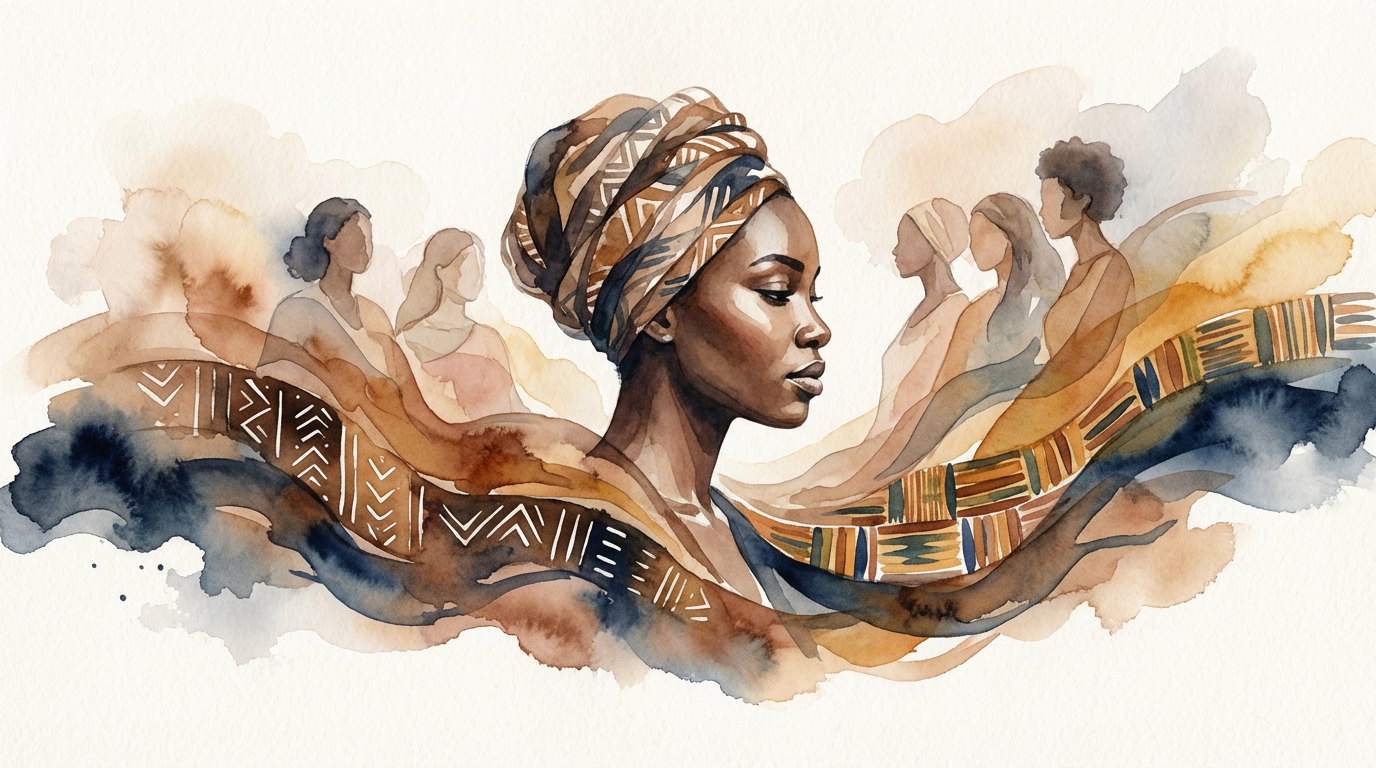
African Heritage and Fibroids: Why Black Women Worldwide Face Higher Rates
Black women worldwide experience uterine fibroids at significantly higher rates, with earlier onset and more severe symptoms, compared to other racial groups. This disparity is influenced by a complex interplay of genetic predispositions linked to African heritage, environmental factors like stress and socioeconomic status, and systemic healthcare inequities that affect diagnosis and treatment.
Listen to this article
~20 min listen
Click play to generate audio narration with a calming voice
TL;DR Summary
- •Black women are disproportionately affected by uterine fibroids, experiencing them earlier, more severely, and with a higher likelihood of recurrence compared to other ethnic groups.
- •Genetic factors, environmental exposures, and systemic healthcare disparities are key contributors to the elevated African fibroid risk.
- •Empowerment through education, early diagnosis, and personalized treatment plans are crucial for managing fibroid symptoms and improving quality of life.
African Heritage and Fibroids: Why Black Women Worldwide Face Higher Rates
Black women worldwide face alarmingly higher rates of uterine fibroids, experiencing them earlier, more severely, and with a greater likelihood of recurrence than women of other ancestries, marking a critical health disparity that demands in-depth understanding and focused action. Uterine fibroids, also known as leiomyomas or myomas, are non-cancerous growths that develop in or on the walls of the uterus, and while common, their prevalence and impact on women of African descent are particularly profound, affecting their quality of life, reproductive health, and overall well-being. This article delves into the multifaceted reasons behind this disparity, exploring the intricate connections between African heritage and fibroid risk, genetic predispositions, environmental influences, and systemic factors that contribute to this significant health challenge for fibroids Black women.
What Are Uterine Fibroids and Their Impact on Black Women?
Uterine fibroids are benign tumors of the uterus, composed of smooth muscle cells and fibrous connective tissue. They can vary in size from tiny seedlings to bulky masses that can distort and enlarge the uterus. Globally, it's estimated that 70-80% of women will develop fibroids by age 50, but for Black women, this figure is often cited as high as 80-90% by age 50, with a significantly earlier onset, often in their 20s and 30s. The impact extends beyond physical symptoms, affecting mental health, relationships, and career progression due to chronic pain, heavy bleeding, and fertility challenges. Symptoms commonly include heavy or prolonged menstrual bleeding (menorrhagia), pelvic pain and pressure, frequent urination, constipation, backache, leg pain, and pain during intercourse. These symptoms can be debilitating, leading to anemia, fatigue, and a reduced quality of life, often necessitating surgical intervention such as myomectomy or hysterectomy at younger ages.
Does Genetics Play a Role in Higher Fibroid Rates Among Black Women?
Yes, genetic factors are increasingly recognized as a significant contributor to the higher prevalence and severity of uterine fibroids genetics among Black women. Research indicates that specific genetic predispositions linked to African ancestry may increase susceptibility to fibroid development. Studies have identified several gene variants and single nucleotide polymorphisms (SNPs) that are more common in women of African descent and are associated with an increased risk of fibroids. For instance, mutations in the MED12 gene have been implicated, and while present across populations, certain patterns or co-occurring genetic markers might contribute to the higher burden in Black women. Furthermore, genetic research suggests that differences in cellular pathways, hormone receptor activity, and immune responses, which are partly genetically determined, could influence fibroid growth and development. These genetic underpinnings are not deterministic but create a heightened susceptibility that, when combined with other factors, manifests as a higher disease burden. The complexity lies in understanding how these genes interact with environmental triggers and lifestyle choices, rather than viewing genetics as a sole cause.
How Do Environmental and Lifestyle Factors Contribute to African Fibroid Risk?
Environmental and lifestyle factors interact profoundly with genetic predispositions to amplify African fibroid risk. Dietary habits, exposure to endocrine-disrupting chemicals (EDCs), stress, and vitamin D deficiency are among the key non-genetic influences. Diets high in red meat, processed foods, and low in fruits and vegetables have been linked to an increased risk, and these dietary patterns can be more prevalent in certain communities due to socioeconomic disparities and food deserts. Exposure to EDCs, found in plastics, pesticides, and personal care products, can mimic or disrupt hormone function, potentially stimulating fibroid growth. Black women, particularly those in low-income communities, may face greater exposure to these chemicals due to residential proximity to industrial areas or use of certain products. Chronic stress, often linked to experiences of racism, discrimination, and socioeconomic hardship, can elevate cortisol levels, impacting hormonal balance and inflammation, both of which are implicated in fibroid development. Additionally, a significant proportion of Black women have lower vitamin D levels, which research suggests may play a protective role against fibroids. These environmental and lifestyle elements are not isolated but often converge, creating a perfect storm for increased fibroid incidence and severity.
What Role Do Socioeconomic Disparities and Healthcare Inequities Play?
Socioeconomic disparities and systemic healthcare inequities are critical, often overlooked, factors exacerbating the fibroid crisis for Black women. Access to quality healthcare, including preventative care, early diagnosis, and a full range of treatment options, is often limited for Black women due to factors like lack of health insurance, transportation barriers, and implicit bias within the medical system. This can lead to delayed diagnosis, allowing fibroids to grow larger and symptoms to become more severe before intervention. Furthermore, historical and ongoing experiences of medical racism and discrimination can lead to distrust in the healthcare system, impacting adherence to treatment plans and willingness to seek care. Studies show that Black women are more likely to undergo hysterectomy as a primary treatment, even when less invasive options like myomectomy (which preserves the uterus) might be suitable, potentially due to biases in treatment recommendations or lack of access to specialized care. The cumulative stress of navigating systemic racism and socioeconomic challenges also contributes to chronic inflammation and hormonal imbalances, creating a vicious cycle that impacts both fibroid development and access to effective management.
Can Cultural and Historical Context Influence Fibroid Prevalence in Black Communities?
Yes, the cultural and historical context significantly shapes health outcomes, including the prevalence and experience of fibroids within Black communities. Historically, medical research has often overlooked or underrepresented Black women, leading to a knowledge gap regarding their specific health needs and responses to treatments. This lack of tailored research contributes to generalized medical advice that may not be effective or appropriate for fibroids Black women. Cultural factors, such as dietary traditions, beauty practices (e.g., use of certain hair relaxers containing EDCs), and health beliefs, can also influence fibroid risk and how women seek care. For instance, some traditional diets may be high in inflammatory foods, while certain beauty products have been linked to endocrine disruption. Moreover, a culture of resilience, while empowering, can sometimes lead to women enduring severe symptoms for longer periods before seeking medical attention, often due to a historical context of medical mistrust or a perception that their pain will not be taken seriously. Addressing fibroids effectively requires acknowledging and integrating these cultural and historical nuances into research, prevention, and treatment strategies.
What Are the Diagnostic and Treatment Challenges for Black Women with Fibroids?
Black women often face unique diagnostic and treatment challenges related to fibroids. Due to delayed diagnosis, fibroids are often larger and more numerous by the time they are discovered, making less invasive treatments more complex or less effective. Diagnostic imaging, such as ultrasound and MRI, is crucial, but access can be uneven. Treatment options range from medication to manage symptoms (e.g., hormonal birth control, GnRH agonists) to minimally invasive procedures (e.g., uterine fibroid embolization, radiofrequency ablation) and surgical interventions (myomectomy, hysterectomy). However, Black women are often presented with fewer non-surgical options or are steered towards hysterectomy at higher rates, potentially due to a combination of clinical bias, lack of awareness of all available treatments, or limited access to specialists who perform less common procedures. The decision-making process for treatment can be complex, involving considerations of fertility preservation, symptom severity, and personal preferences, yet these conversations may not always be equitable or fully informed for Black patients. Furthermore, the emotional and psychological toll of chronic pain, repeated surgeries, and fertility struggles can be immense, requiring comprehensive support that often isn't adequately provided within the existing healthcare framework.
What Actions Can Black Women Take for Fibroid Prevention and Management?
Empowerment through knowledge and proactive health management is crucial for Black women navigating fibroids. While some risk factors like genetics are unchangeable, many others can be influenced through lifestyle modifications and informed healthcare choices. Here are actionable steps:
- •Prioritize a Nutrient-Rich Diet: Focus on a diet rich in fruits, vegetables, whole grains, and lean proteins. Limit red meat, processed foods, and high-sugar items. Incorporate foods high in fiber and antioxidants. Aim for an anti-inflammatory diet.
- •Ensure Adequate Vitamin D Levels: Get regular sun exposure safely or consider vitamin D supplementation, especially if you have darker skin which can reduce vitamin D synthesis from sunlight. Consult your doctor for appropriate dosing.
- •Manage Stress Effectively: Engage in stress-reducing activities such as meditation, yoga, mindfulness, spending time in nature, or therapy. Chronic stress can impact hormonal balance.
- •Regular Exercise: Maintain a healthy weight and engage in regular physical activity, which can help regulate hormones and reduce inflammation.
- •Limit Exposure to Endocrine-Disrupting Chemicals (EDCs): Choose natural personal care products, avoid plastics in food storage and heating, and opt for organic produce when possible to reduce pesticide exposure.
- •Advocate for Yourself in Healthcare: Be informed about your options, ask questions, and seek second opinions. If you feel unheard, consider finding a healthcare provider who specializes in fibroids and is culturally competent. Don't hesitate to bring a trusted friend or family member to appointments for support.
- •Early and Regular Screenings: Don't wait for severe symptoms. Regular gynecological check-ups can help detect fibroids early, allowing for more treatment options. Discuss any pelvic pain, heavy bleeding, or unusual symptoms with your doctor immediately.
- •Explore All Treatment Options: Be aware of the full spectrum of treatments, from medication to non-invasive procedures (like UFE) and surgical options (myomectomy for fertility preservation, hysterectomy). Discuss the pros and cons of each in relation to your personal health goals and fertility plans.
- •Build a Support System: Connect with other women experiencing fibroids through support groups or online communities. Sharing experiences and advice can be incredibly beneficial for mental and emotional well-being.
The Importance of Research and Advocacy for Fibroids in Black Women
Addressing the disparity in fibroid prevalence and severity among Black women requires a concerted effort in research and advocacy. Increased funding for studies specifically focused on fibroids Black women is crucial to understand the unique genetic, environmental, and social factors at play. This includes research into novel diagnostic tools, culturally sensitive interventions, and less invasive, uterus-preserving treatment options. Advocacy groups play a vital role in raising awareness, destigmatizing fibroids, and pushing for policy changes that improve access to equitable healthcare. This involves training healthcare providers on implicit bias, promoting diverse representation in medical research, and ensuring that Black women's voices are heard in health policy discussions. Only through a combination of scientific advancement, community engagement, and systemic reform can we hope to mitigate the disproportionate burden of fibroids on women of African descent worldwide.
Benefits by Life Stage
Understanding the impact of fibroids across different life stages is crucial for tailored management and support, especially for Black women who experience them more severely.
Menstrual Health (Periods, Cramps, PMS)
For many Black women, fibroids are first identified or become symptomatic during their reproductive years, profoundly affecting menstrual health. Heavy menstrual bleeding (menorrhagia) is a hallmark symptom, often leading to anemia, chronic fatigue, and significant disruption to daily life. Severe cramps and pelvic pain are also common, often unresponsive to over-the-counter pain relievers. Fibroids can exacerbate PMS symptoms due to hormonal imbalances and the physical discomfort they cause. Effective management, whether through medication, lifestyle changes, or procedures like UFE or myomectomy, can dramatically improve menstrual health, alleviate pain, reduce bleeding, and restore energy levels, allowing women to reclaim their lives during their periods.
Fertility Journey (TTC, Ovulation, Conception)
Fibroids can significantly impact the fertility journey for Black women trying to conceive (TTC). Depending on their size, location, and number, fibroids can interfere with ovulation, block fallopian tubes, distort the uterine cavity, or impede embryo implantation, making conception difficult. Submucosal fibroids (those growing into the uterine cavity) are particularly known to reduce fertility and increase the risk of miscarriage. For women on their fertility journey, a myomectomy (surgical removal of fibroids while preserving the uterus) is often considered to improve chances of conception and successful pregnancy. Early consultation with a fertility specialist and a gynecologist experienced in fibroid management is essential to assess the impact of fibroids on fertility and explore appropriate interventions.
Pregnancy (Trimesters, Prenatal Care)
Fibroids during pregnancy can present unique challenges, particularly for Black women who may enter pregnancy with pre-existing or undiagnosed fibroids. While many fibroids remain stable or even shrink during pregnancy due to hormonal changes, some can grow, leading to pain, degeneration, and an increased risk of complications. These complications can include preterm labor, placental abruption, fetal growth restriction, and malpresentation, potentially necessitating a C-section. Close monitoring through prenatal care is vital. Management during pregnancy is typically conservative, focusing on pain relief, as surgical removal of fibroids during pregnancy is generally avoided due to risks. Women with fibroids should have a detailed birth plan developed with their obstetrician, considering the potential impact of fibroids on delivery mode and postpartum recovery.
Menopause (Perimenopause, Hormonal Changes)
As Black women approach perimenopause and menopause, the hormonal shifts can influence fibroid behavior. Typically, fibroids tend to shrink after menopause due to the decline in estrogen levels, often leading to a resolution or significant reduction in symptoms. However, some women may experience continued symptoms during perimenopause due to fluctuating hormone levels. Hormone replacement therapy (HRT) for menopausal symptoms can sometimes cause existing fibroids to grow or new ones to develop, requiring careful consideration and discussion with a healthcare provider. For women who have endured fibroid symptoms for decades, menopause can bring much-awaited relief, but it's important to monitor for any atypical post-menopausal bleeding, as this warrants immediate medical evaluation to rule out other conditions.
Key Takeaways
- •Disproportionate Impact: Black women experience higher rates of fibroids, earlier onset, and more severe symptoms due to a complex interplay of factors.
- •Multifactorial Causes: Genetics (linked to African heritage), environmental exposures, socioeconomic disparities, and healthcare inequities all contribute to the increased African fibroid risk.
- •Empowerment Through Action: Proactive lifestyle choices, early diagnosis, self-advocacy in healthcare, and exploring all treatment options are crucial for managing fibroids Black women.
- •Life Stage Considerations: Fibroids impact menstrual health, fertility, pregnancy, and menopause, requiring stage-specific management and support.
- •Call for Equity: Increased research, culturally competent care, and advocacy are vital to address this significant health disparity.
Frequently Asked Questions
Q: What is the primary reason Black women have higher rates of fibroids?
The primary reason Black women have higher rates of fibroids is a complex interplay of genetic predispositions linked to African ancestry, environmental factors such as diet and exposure to endocrine-disrupting chemicals, and systemic healthcare inequities that lead to delayed diagnosis and disparate treatment options.
Q: Are fibroids always symptomatic in Black women?
No, fibroids are not always symptomatic in Black women, but they are more likely to experience severe symptoms such as heavy bleeding, pelvic pain, and pressure compared to women of other ethnic groups. Many women, regardless of race, may have asymptomatic fibroids.
Q: Can diet and lifestyle changes help prevent fibroids in Black women?
Yes, diet and lifestyle changes can play a significant role in managing fibroid risk and symptoms in Black women. Adopting an anti-inflammatory diet rich in fruits, vegetables, and whole grains, maintaining adequate vitamin D levels, managing stress, and regular exercise can all be beneficial.
Q: What treatment options are available for Black women with fibroids?
Treatment options for Black women with fibroids include medications to manage symptoms (e.g., hormonal therapy), non-surgical procedures like uterine fibroid embolization (UFE) and radiofrequency ablation, and surgical options such as myomectomy (fibroid removal while preserving the uterus) or hysterectomy. The best option depends on symptom severity, fibroid characteristics, and fertility desires.
Q: How does systemic racism impact fibroid care for Black women?
Systemic racism impacts fibroid care for Black women through limited access to quality healthcare, implicit bias from healthcare providers leading to delayed or less comprehensive care, and a lack of culturally competent information and treatment options, often resulting in poorer health outcomes and higher rates of hysterectomy.
Q: Is there a genetic test available for fibroid risk in Black women?
Currently, there isn't a single, widely available genetic test to definitively predict fibroid risk in Black women. However, research is ongoing to identify specific genetic markers and gene variants that contribute to the higher prevalence and severity of fibroids in women of African descent, which may lead to such tests in the future.
Q: Where can Black women find support and resources for fibroids?
Black women can find support and resources for fibroids through national and local fibroid foundations, online communities and forums, advocacy groups focused on women's health disparities, and by seeking out healthcare providers who specialize in fibroid care and demonstrate cultural competency.
Start Your Wellness Journey Today
Ready to track your cycle, fertility, pregnancy, or menopause journey? Download PERIODiQ - your iQ-powered wellness companion designed for every stage of your health journey.
Get PERIODiQ Free: https://periodiq.app
Your Wellness Journey Starts Here
Download PERIODiQ
Scan the QR code or tap the link to get started with your personalized health tracking.
periodiq.app • iOS & Android
Cite this article
PERIODiQ Editorial Team (2026). "African Heritage and Fibroids: Why Black Women Worldwide Face Higher Rates." PERIODiQ. https://periodiq.app/library/african-heritage-and-fibroids-why-black-women-worldwide-face-higher-rates
"African Heritage and Fibroids: Why Black Women Worldwide Face Higher Rates." PERIODiQ, 2026, https://periodiq.app/library/african-heritage-and-fibroids-why-black-women-worldwide-face-higher-rates.
Send this to a friend — PERIODiQ is free for them too. No card. No paywall.
Loved this? Save articles, track your cycle, and unlock meditations — free forever.
Disclaimer: PERIODiQ™ offers general wellness information only. It does not provide medical advice, diagnosis, or treatment. Always speak with a licensed health professional about your health.