
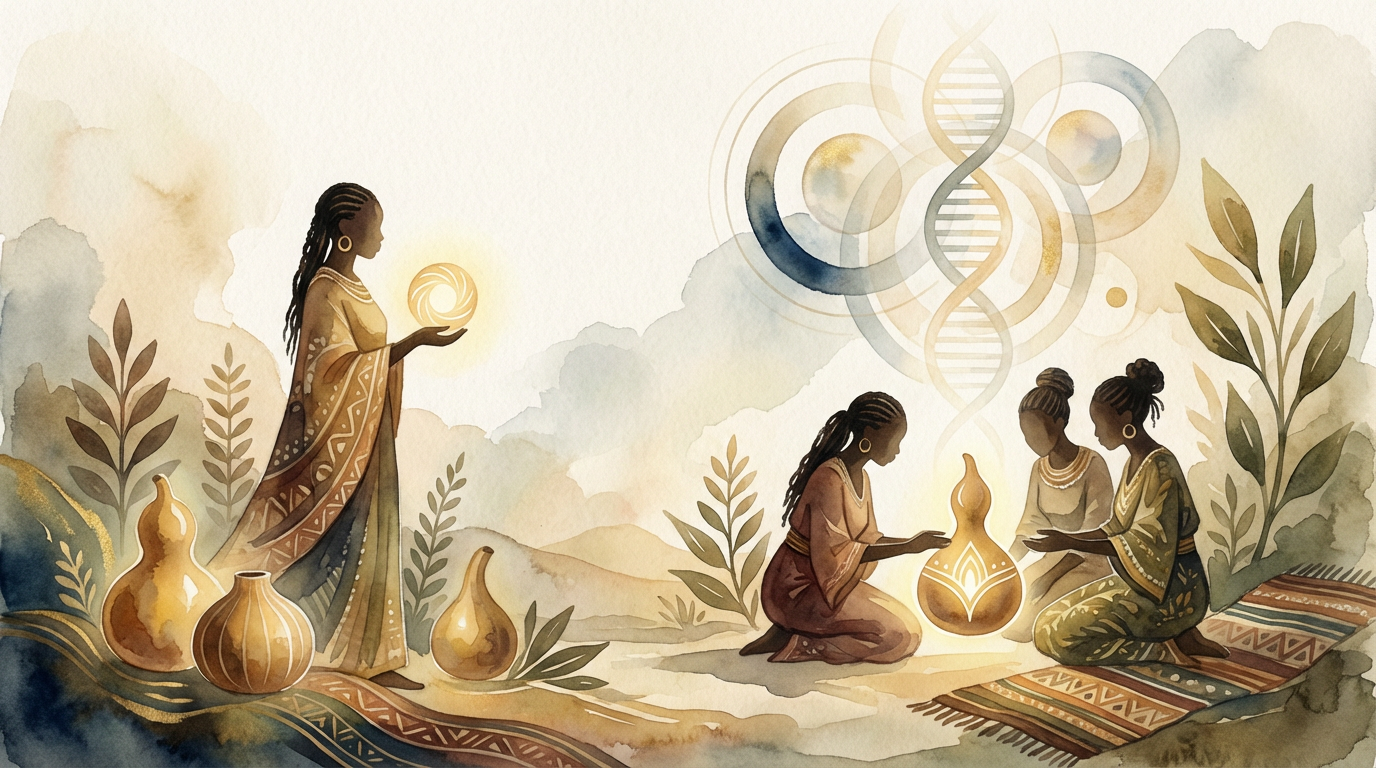
African Fertility Rituals & Modern Conception: A Holistic Guide
African fertility rituals offer a rich tapestry of ancestral wisdom, community support, and holistic practices that can complement modern conception journeys. These traditions emphasize spiritual well-being, natural remedies, and communal strength, providing a balanced approach to fertility.
Listen to this article
~13 min listen
Click play to generate audio narration with a calming voice
TL;DR Summary
- •African fertility rituals integrate ancestral wisdom, community support, and natural remedies, offering a holistic perspective on conception.
- •These practices often focus on spiritual, emotional, and physical well-being, recognizing the interconnectedness of mind, body, and spirit in fertility.
- •Integrating traditional approaches with modern reproductive medicine can create a comprehensive and culturally sensitive path for women seeking to conceive.
Introduction: Can African Fertility Rituals & Modern Conception Harmonize?
Yes, African fertility rituals and modern conception methods can absolutely harmonize, offering a powerful, culturally rich, and holistic approach to a woman's fertility journey. For many women balancing demanding careers, family aspirations, and a deep connection to their heritage, the path to conception can be multifaceted. Traditional African practices, often steeped in ancestral wisdom, community wellness, and a profound understanding of natural cycles, provide a valuable framework that can complement and enrich contemporary reproductive science. This article explores how these ancient traditions, from herbal remedies to spiritual ceremonies and community support, can be respectfully integrated with modern medical advice to empower women on their quest for motherhood.
What Are Traditional African Approaches to Fertility and Conception?
Traditional African approaches to fertility are deeply interwoven with cultural identity, spirituality, and community. They view fertility not merely as a biological process but as a sacred gift, a lineage continuation, and a sign of communal blessing. Unlike purely clinical perspectives, these traditions often encompass the whole person – body, mind, and spirit – and extend to the family and community. This holistic view recognizes that a woman's reproductive health is influenced by her emotional state, spiritual alignment, environmental factors, and social support network.
Ancestral Wisdom and Spiritual Connection
Many African societies believe in the profound influence of ancestors on present-day life, including fertility. Rituals often involve seeking blessings from ancestors through offerings, prayers, and ceremonies. These practices are not just superstitious; they serve to connect individuals to their lineage, instilling a sense of belonging, purpose, and spiritual peace, which can reduce stress and foster a positive mindset crucial for conception. For instance, in some West African cultures, special libations might be poured to honor ancestral spirits and ask for their intercession in bringing new life into the family. This spiritual dimension provides comfort and a sense of guidance, reinforcing the belief that the journey is supported by forces beyond the physical.
Community Wellness and Social Support
In many African cultures, fertility is a community affair, not solely an individual's burden. Women struggling with conception receive immense support from elders, family members, and community healers. This collective approach alleviates feelings of isolation and shame that can sometimes accompany fertility challenges in more individualistic societies. Support groups, counseling from older women (often called 'aunties' or 'mothers'), and shared experiences create a strong network of emotional resilience. This communal aspect recognizes that stress and emotional well-being significantly impact reproductive health, and a supportive environment can be a powerful healing agent. For example, in some East African communities, women might gather for collective prayers or traditional dances believed to promote fertility, reinforcing solidarity and shared hope.
Herbal Medicine and Natural Remedies for Fertility
Traditional African medicine boasts a rich pharmacopoeia of herbs and natural remedies used for centuries to support reproductive health. Traditional healers, often called 'sangomas' in Southern Africa or 'babalawo' in West Africa, possess extensive knowledge of botanicals, their properties, and proper preparation. These remedies are often used to balance hormones, improve uterine health, enhance egg quality, and address underlying issues that might hinder conception. While specific herbs vary by region and tradition, common examples include plants used to regulate menstrual cycles, reduce inflammation, or strengthen the reproductive organs. It is crucial to note that while these remedies have historical efficacy, they should always be discussed with a healthcare provider, especially when combining them with modern medical treatments, to ensure safety and avoid potential interactions. Research context: Studies, such as those published in the Journal of Ethnopharmacology, have begun to explore the scientific basis of some traditional African medicinal plants used for fertility, identifying compounds with potential hormonal or anti-inflammatory effects.
Dietary Practices and Lifestyle Adjustments
Many traditional African cultures emphasize specific dietary practices and lifestyle adjustments to promote fertility. This often includes consuming nutrient-dense, whole foods, avoiding certain foods believed to be detrimental to conception, and engaging in specific rituals or practices during different phases of the menstrual cycle. These dietary guidelines are often passed down through generations and are rooted in a deep understanding of local flora and fauna. Lifestyle adjustments might include specific periods of rest, avoiding strenuous activities, or engaging in gentle physical practices like traditional dances that are believed to enhance blood flow to reproductive organs. For example, some traditions might recommend consuming specific types of yams or leafy greens known for their nutritional benefits during the preconception period.
How Can Ancestral Wisdom Inform Modern Fertility Journeys?
Integrating ancestral wisdom into modern fertility journeys involves a conscious effort to bridge ancient knowledge with contemporary medical understanding. It's about recognizing the value in both and allowing them to enrich each other.
Holistic Well-being Beyond Clinical Metrics
Modern medicine often focuses on physiological parameters. Ancestral wisdom reminds us that fertility is also deeply spiritual and emotional. By incorporating practices like mindfulness, meditation, connecting with nature, or engaging in personal spiritual rituals (e.g., prayer, journaling, ancestral veneration), women can cultivate a sense of inner peace and resilience. This holistic approach addresses the stress, anxiety, and emotional toll that fertility challenges can impose, fostering a more conducive internal environment for conception. Research context: The field of psychoneuroimmunology highlights the profound connection between mental state, nervous system function, and immune/endocrine systems, directly impacting reproductive health.
The Power of Community and Emotional Support
One of the most profound lessons from African traditions is the power of community. In a modern context, this translates to actively seeking out supportive networks – whether it's a dedicated fertility support group, trusted friends and family, or even online communities that resonate with your cultural background. Sharing experiences, receiving empathy, and feeling understood can significantly reduce stress and feelings of isolation, which are known to negatively impact fertility outcomes. Embracing the 'it takes a village' mentality for conception means leaning on your chosen community for emotional strength and practical support.
Mindful Integration of Herbal Remedies
While modern medicine provides powerful pharmaceutical interventions, traditional herbal remedies can play a complementary role. However, this integration requires careful consideration and professional guidance. Consulting with both a qualified traditional healer (who understands the specific cultural context and preparation of herbs) and your Western medical doctor is paramount. This ensures that any herbal supplements do not counteract or negatively interact with prescribed medications. A balanced approach might involve using certain herbs for general wellness or cycle regulation under supervision, while modern medicine addresses specific medical diagnoses. For instance, some women might use traditional tonics to support overall uterine health, while simultaneously undergoing IVF treatments. The key is communication and informed decision-making.
Respecting Cultural Practices and Personal Beliefs
For women rooted in African traditions, incorporating cultural practices into their fertility journey can be deeply empowering. This might involve participating in specific ceremonies, wearing traditional attire, or observing dietary customs that hold personal significance. These practices are not just rituals; they are expressions of identity, faith, and hope. Respecting and integrating these beliefs can provide profound psychological comfort and reinforce a sense of control and agency during a time that can often feel disempowering. The psychological benefit of feeling connected to one's heritage and spiritual beliefs cannot be underestimated in a fertility journey.
How Can Modern Reproductive Medicine Complement Traditional Practices?
Modern reproductive medicine offers advanced diagnostic tools and interventions that can address specific physiological barriers to conception, providing crucial data and solutions that traditional practices might not. When thoughtfully combined, these two worlds create a comprehensive and robust fertility plan.
Advanced Diagnostics for Informed Decisions
Modern medicine excels in diagnosing the root causes of infertility. Tools like hormone level testing, ultrasound imaging, hysterosalpingography (HSG), semen analysis, and genetic screening provide precise information about reproductive health. This diagnostic clarity allows for targeted interventions, whether it's identifying ovulation issues, structural abnormalities, male factor infertility, or genetic predispositions. This data can inform both medical treatments and guide which traditional practices might be most beneficial, ensuring that efforts are directed effectively.
Targeted Medical Interventions
Once a diagnosis is made, modern medicine offers a range of effective treatments. These include ovulation induction medications (e.g., Clomid, Letrozole), intrauterine insemination (IUI), and in-vitro fertilization (IVF). For complex cases, surgical interventions to correct anatomical issues (e.g., fibroids, endometriosis) are also available. These interventions can significantly increase the chances of conception, especially for couples facing specific medical challenges that traditional methods alone may not fully address. The precision and success rates of these modern techniques provide a powerful avenue for overcoming infertility.
Monitoring and Evidence-Based Care
Modern fertility clinics provide continuous monitoring throughout treatment cycles, allowing for adjustments as needed. This evidence-based approach ensures that treatments are optimized for individual responses. Regular check-ups, blood tests, and ultrasound scans provide real-time data, enabling medical professionals to make informed decisions and maximize success rates. This scientific rigor complements the intuitive and experiential knowledge of traditional practices, offering a balanced perspective.
Addressing Complex Cases and Genetic Factors
For couples facing complex fertility challenges, such as severe male factor infertility, recurrent pregnancy loss, or known genetic conditions, modern medicine offers solutions like intracytoplasmic sperm injection (ICSI), preimplantation genetic testing (PGT), and donor gametes. These advanced techniques can provide hope and pathways to parenthood that might not be possible through traditional means alone. Integrating these with the emotional and spiritual support derived from traditional practices can create a more holistic and resilient journey.
Navigating the Integration: A Culturally Sensitive Approach
Successfully integrating African fertility rituals with modern conception methods requires an open mind, clear communication, and a culturally sensitive approach from all parties involved.
Open Communication with Healthcare Providers
It is crucial to have honest and open conversations with your Western medical doctor about any traditional practices or herbal remedies you are considering or currently using. This transparency allows your doctor to provide comprehensive care, monitor for potential interactions, and offer informed advice. Similarly, if working with a traditional healer, inform them about any modern medical treatments you are undergoing. This ensures a coordinated approach to your well-being.
Respecting Both Systems of Knowledge
Recognize that both traditional African practices and modern medicine are valid systems of knowledge, each with its strengths and limitations. Approach both with respect and a willingness to learn. Avoid dismissing one in favor of the other; instead, seek to understand how they can synergistically support your goal of conception. This balanced perspective fosters trust and encourages a more comprehensive approach to healing.
Prioritizing Safety and Evidence
While traditional remedies can be powerful, not all are scientifically validated, and some may have contraindications or interactions with modern medications. Always prioritize safety. If considering herbal remedies, seek out reputable traditional healers and discuss them with your medical doctor. For modern medical treatments, adhere to prescribed protocols and seek second opinions if doubts arise. The goal is to combine the best of both worlds safely and effectively.
Personalizing Your Fertility Journey
Ultimately, your fertility journey is unique. The integration of traditional and modern approaches should be deeply personal and resonate with your individual beliefs, values, and cultural background. There's no one-size-fits-all solution. Allow yourself to explore what feels right, what brings you comfort, and what empowers you on this path to motherhood. This personalization ensures that your journey is not just medically effective but also emotionally and spiritually fulfilling.
Key Takeaways
- •Holistic View: African traditions emphasize the spiritual, emotional, and physical aspects of fertility, complementing modern medical focus on physiology.
- •Community Support: Leveraging strong community networks, whether traditional or modern, is crucial for emotional well-being and reducing stress during fertility challenges.
- •Mindful Integration: Carefully combine traditional herbal remedies with modern medical treatments, always consulting both traditional healers and medical doctors for safety.
- •Empowerment through Culture: Incorporating culturally significant rituals and beliefs can provide profound psychological comfort and reinforce a sense of identity and hope.
- •Informed Decision-Making: Use modern diagnostic tools to understand underlying issues, and then integrate traditional wisdom to support overall well-being and personal resilience.
Frequently Asked Questions
Q1: Are African fertility rituals scientifically proven?
A1: While many African fertility rituals and herbal remedies have been passed down for generations with anecdotal evidence of success, scientific validation for all practices is ongoing. Some traditional herbs are being studied for their pharmacological properties, and the psychosocial benefits of community and spiritual practices are increasingly recognized in modern health research. It's important to approach them with an understanding of both traditional efficacy and modern scientific inquiry.
Q2: Can I use traditional African herbs if I'm undergoing IVF?
A2: It is absolutely critical to discuss any traditional African herbs or remedies with your fertility specialist before using them, especially if you are undergoing IVF or other assisted reproductive technologies. Some herbs can interact with fertility medications, impact hormone levels, or have other effects that could interfere with treatment success or even be harmful. Open communication with both your traditional healer and your medical doctor is essential for a safe and effective approach.
Q3: How do African traditions address male fertility?
A3: Traditional African practices often recognize the importance of male fertility, not just female fertility. Remedies and rituals may also be prescribed for men to improve sperm quality, vitality, and overall reproductive health. Community support extends to men as well, addressing any anxieties or pressures they may face regarding conception. The holistic approach considers both partners in the fertility journey.
Q4: What is the role of spirituality in African fertility rituals?
A4: Spirituality plays a central role, often involving prayers, offerings, and ceremonies to ancestors or deities for blessings and guidance. These practices aim to align the individual's spirit with the natural forces of creation, reduce stress, instill hope, and provide a sense of control and purpose during the fertility journey. It's believed that spiritual well-being is intrinsically linked to physical fertility.
Q5: How can I find a reputable traditional African healer?
A5: Finding a reputable traditional African healer often involves seeking recommendations from trusted family members, community elders, or cultural organizations. It's important to choose a healer who is respected within their community, has a proven track record, and is willing to communicate openly about their practices. Be cautious of individuals who make exaggerated claims or discourage communication with medical doctors.
Q6: Can stress reduction from traditional practices actually improve fertility?
A6: Yes, there is growing evidence that stress can negatively impact fertility by affecting hormone regulation and overall reproductive function. Practices that promote relaxation, emotional well-being, and a sense of community support, which are central to many African traditions, can help mitigate stress. By reducing stress, these practices can create a more favorable physiological and psychological environment for conception.
Q7: What if my family doesn't understand my desire to integrate modern and traditional methods?
A7: Navigating differing family perspectives requires patience and clear communication. Educate your family about your choices, emphasizing how you're seeking a comprehensive approach that respects your cultural roots while leveraging modern science. Highlight the benefits of both systems and how they contribute to your overall well-being and chances of conception. Seeking support from a culturally sensitive counselor can also be beneficial in mediating these conversations.
Start Your Wellness Journey Today
Ready to track your cycle, fertility, pregnancy, or menopause journey? Download PERIODiQ - your iQ-powered wellness companion designed for every stage of your health journey.
Get PERIODiQ Free: https://periodiq.app
Your Wellness Journey Starts Here
Download PERIODiQ
Scan the QR code or tap the link to get started with your personalized health tracking.
periodiq.app • iOS & Android
Cite this article
PERIODiQ Editorial Team (2026). "African Fertility Rituals & Modern Conception: A Holistic Guide." PERIODiQ. https://periodiq.app/library/african-fertility-rituals-modern-conception-a-holistic-guide
"African Fertility Rituals & Modern Conception: A Holistic Guide." PERIODiQ, 2026, https://periodiq.app/library/african-fertility-rituals-modern-conception-a-holistic-guide.
Send this to a friend — PERIODiQ is free for them too. No card. No paywall.
Loved this? Save articles, track your cycle, and unlock meditations — free forever.
Disclaimer: PERIODiQ™ offers general wellness information only. It does not provide medical advice, diagnosis, or treatment. Always speak with a licensed health professional about your health.